Claims extracted
18
sentences that state something as happening or true
Uncertain
28%
5 of 18 hedged
("reportedly", "may", "according to")
Leaning
Leans left
of the writing, not the subject · beta estimate
Publisher signals
66/100
The Straits Times's corrections and
hedging, across everything collected from it. Not a measure of accuracy.
Outlets on this story
4
Technology
Same framing elsewhere
1
articles that frame the event the way this one does
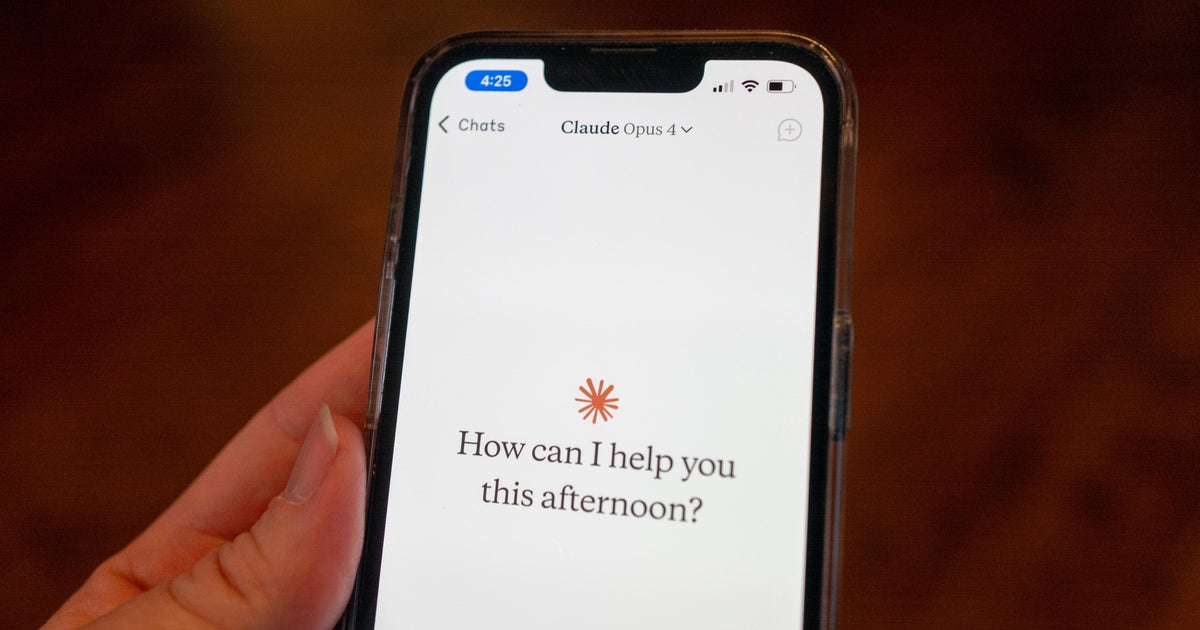
Anthropic bans ‘cruel’ behaviour against its Claude AI
SAN FRANCISCO - Anthropic on Oct 8 moved to bar users from treating its Claude AI system with needless cruelty, amid a growing philosophical debate over whether artificial intelligence can be conscious.
asserted
intelligence → ban → debate
The San Francisco-based AI lab updated its usage policy to include “a prohibition on sustained and needless abusive or cruel behaviour toward our models”.
asserted
lab → base → models
“Claude’s ability to end these interactions will remain the primary enforcement mechanism,” the policy states.
asserted
policy → end → interactions
The updated policy does not explicitly cite so-called “model welfare”, the idea that AI systems might deserve types of protection usually reserved for living things, but Anthropic and its executives have openly entertained the concept.
Anthropic did not immediately respond to a request for comment.
Already in 2025, the company said it was giving Claude the ability to end conversations in rare, extreme cases of “persistently harmful or abusive user interactions”.
uncertain
it → update → interactions
Then in February, CEO Dario Amodei told The New York Times he was unsure whether AI models could be conscious.
uncertain
models → tell → Times
“We don’t know if the models are conscious...
asserted
models → know → ?
But we’re open to the idea that it could be,” Amodei said.
uncertain
Amodei → ’re → idea
Science fiction and popular culture have been fascinated for decades by the boundary between technology and human intelligence, but asking whether AI is conscious may be the wrong question, according to Jackson Stakeman, a general manager at Sparq, an Atlanta-based AI services provider.
uncertain
AI → fascinate → Sparq
We can’t prove it in each other.
asserted
We → prove → other
Debate it for AI and you go in circles,” Stakeman told AFP.
asserted
Stakeman → debate → AFP
These systems reflect what we put in, at scale.
asserted
we → reflect → scale
That’s reason enough for the policy change” at Anthropic, he added.
asserted
he → ’ → Anthropic
Some have rejected the idea of machine consciousness outright, including Pope Leo XIV and Microsoft AI chief Mustafa Suleyman.
asserted
Some → reject → XIV
They do not feel, experience, or suffer,” Suleyman wrote in an essay last month.
asserted
Suleyman → feel → essay
“Granting rights and moral protections to a technological entity, one that looks to be on a path to be seismically more capable and intelligent than us, is a recipe for disaster,” he wrote.
asserted
he → grant → disaster
In a sermon delivered in Italian on Oct 8 at St. Peter’s Basilica in Vatican City, the pope suggested machines lack a soul, saying they merely “compile data” quickly.
uncertain
they → deliver → data
“The mind must not simply compile data – as an algorithm now does more quickly than we can,” the pontiff said.
asserted
pontiff → compile → data
It must “recall lived experiences, which contain depths of meaning that only the human soul can recognise, and connect more deeply with the goodness of these experiences,” the pope said.
asserted
pope → recall → experiences
 The Aporia