Photo via The Straits Times

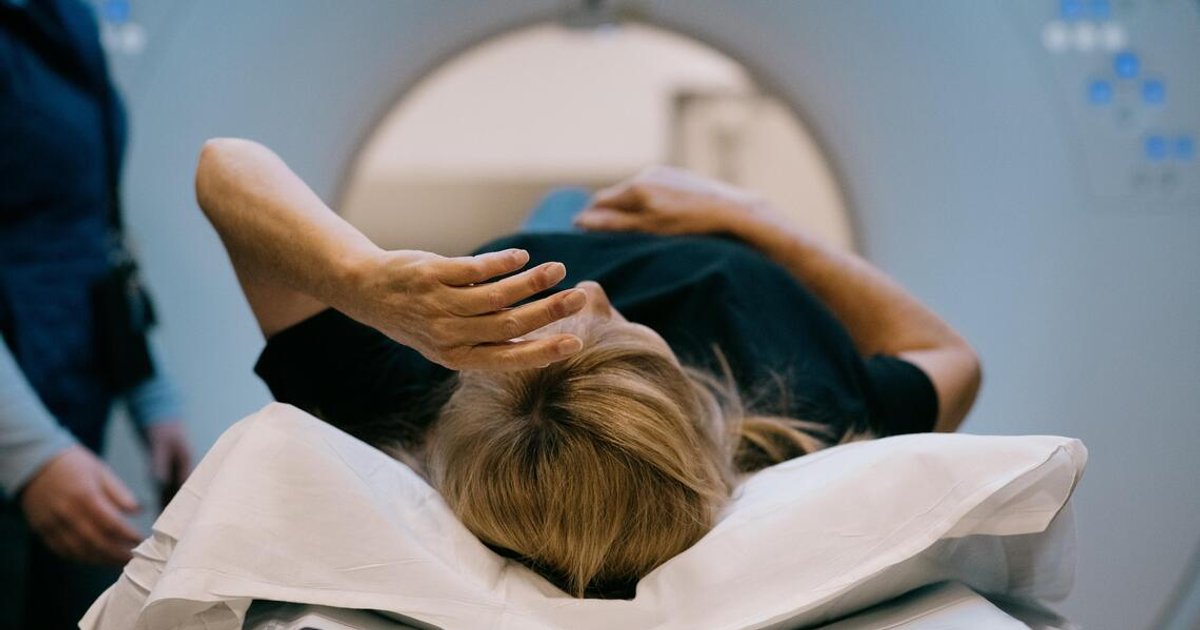
AI tool predicts cancer survival chances with single face photo, study finds

Read the original at The Straits Times ↗
Cite

The Straits Times. (2026, October 19). AI tool predicts cancer survival chances with single face photo, study finds. The Straits Times. https://www.straitstimes.com/world/united-states/ai-tool-predicts-cancer-survival-chances-with-single-face-photo-study-finds

Dated from the outlet's own feed. Check the original for its byline.

The Straits Times · collected 2026-10-20 · by The Straits Times

Quick Summary

Researchers developed an AI tool capable of predicting cancer patients' survival chances from a single face photo. The model was trained using over 40 million images and data from more than 30,000 cancer patients, accurately estimating age within about five years and classifying patients into high- or low-risk groups based on mortality risk within 90 days. Published in The Lancet Digital Health on October 19, the study highlights the tool's potential to complement doctors' assessments, especially when medical data is limited, though experts caution it needs further testing before clinical use.
Written by AI on 2026-10-20, from this article's own text only (the story summary below draws on all the coverage).

AI analysis

Story summary

Doctors have developed an artificial intelligence tool that can predict a cancer patient's chances of survival from a single photograph of their face. The AI system was custom-built by experts at Mass General Brigham, a nonprofit healthcare system in Massachusetts, and its details were published in the Lancet Digital Health journal on October 19, 2026.

The tool, called FAHR-FaceSurvival, estimates a patient’s biological age and predicts their survival outcomes. It was trained on data from more than 40 million facial photographs, including over 30,000 cancer patients, many of whom had already passed away. The algorithm can estimate a person's biological age with an error margin of about five years and accurately categorize patients into higher- or lower-risk groups based on their likelihood of death within 90 days.

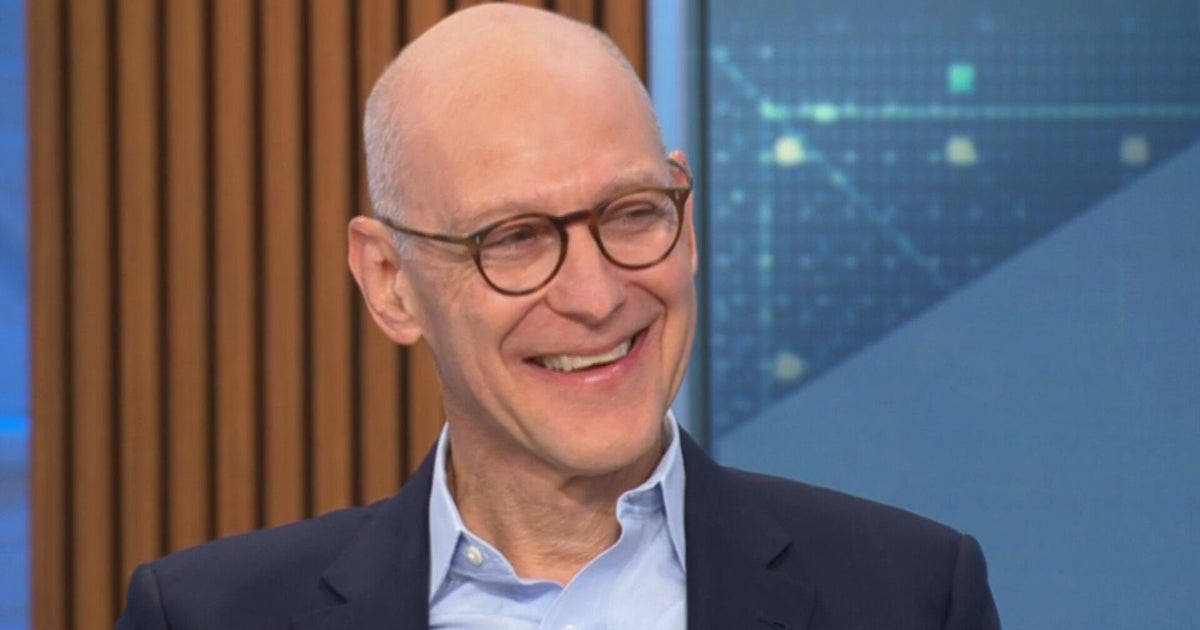
According to one of the study’s authors, Raymond Mak from the Mass General Brigham Cancer Institute, doctors are generally not very accurate in estimating end-of-life expectancy. The AI system complements doctors’ assessments and could potentially guide treatment decisions when medical data is limited.

Written for “AI Predicts Cancer Survival From Selfie” on 2026-11-04, grounded in this article and the 1 other(s) covering the same event.

Story

📰 AI Predicts Cancer Survival From Selfie
Technology · 2 article(s) covering the same event. See how they differ ↓

Compared with similar articles

This article reads unscored and hedges 16% of its claims. Each row says how that neighbour differs.
The Guardian
Hedges 7 of 25 claims Outlet record 66/100
CBS News
Hedges 0 of 1 claims Outlet record 65/100
“Article A reports on a study about an AI tool that predicts cancer survival from face photos, while Article B discusses general pros and cons of AI in healthcare with an oncologist.”
The Independent
Hedges 8 of 35 claims Outlet record 59/100
“The articles describe different AI tools with distinct purposes: one predicts cancer survival from facial photos, while the other discovers drug combinations to combat treatment resistance.”
How this article was measured signals, leaning charts, publisher record, byline, topics and claims

Signals How these are calculated →

Claims extracted
19
sentences that state something as happening or true
Uncertain
16%
3 of 19 hedged ("reportedly", "may", "according to")
Leaning
not political
takes no side on a contested political question
Publisher signals
66/100
The Straits Times's corrections and hedging, across everything collected from it. Not a measure of accuracy.
Outlets on this story
2
Technology
Same framing elsewhere
1
articles that frame the event the way this one does
Analyzed 2026-10-20 · how these are computed

How this is being covered How these are calculated →

Article leaning vs. publisher reliability
Source leaning vs. consistency

Publisher

The Straits Times · 4378 article(s) · 5 correction(s) detected
Running correction rate · 5 correction(s)

Who wrote this

The Straits Times
2870 article(s) here · 1 carrying a prediction
🔮 US midterms: International politicians react to Democrats winning Governments and politicians around the world reacted to the Democrats winning the US midterm elections, a result that could have major implications for global trade, security and energy prices.
🔮 Additional files will be uploaded by February 2027 but the files are far from complete, as many were destroyed in 1956 during Hungary's anti-Soviet uprising and also in 1988-1989.
🔮 Leo will spend two days in Uruguay, three in Argentina and nearly a week in Peru, where he will celebrate outdoor Masses expected to draw millions, address political leaders, join youth vigils and reach remote Andean communities by helicopter.
🔮 South Africa says US midterm results usher in new era JOHANNESBURG, Nov 4 - South African President Cyril Ramaphosa said on Wednesday that the results from midterm elections in the United States would usher in a new era in world relations, after millions of voters delivered a scathing rebuke to President Donald Trump.
2026-11-04 · assertive framing · South Africa says US midterm results usher in new era
🔮 Trump told The New York Times in an interview that he was “absolutely willing to accept those results” and was prepared to work with Democrats.
🔮 The Israeli electoral authorities on Nov 4 rejected allegations promoted by Israeli Prime Minister Benjamin Netanyahu of fraud by Arab parties, who could hold the key to removing him from power after a divisive vote.
🔮 Puente's resignation will only become effective once it is published in the official state gazette, but the exact timeline for this remains unclear.
🔮 Combining Hinojosa’s victory with those of other Democrats who won gubernatorial races from Georgia to Ohio and Pennsylvania could leave half of proposed AI data centre additions across the US vulnerable to stricter local scrutiny and pushback.
🔮 Rogers also devoted significant effort to courting Jewish voters who may have been uneasy with El-Sayed’s opposition to US military aid for Israel and his characterisation of Israel’s actions in Gaza as genocide.
🔮 Trump and Vice-President J.D. Vance visited Texas several times ahead of Election Day, attempting to rally support for Paxton. But Paxton’s ethical issues may have proven too much.
Also by The Straits Times
Nothing else under this byline is closely related to this article, so these are simply their most recent.
All 2870 articles by The Straits Times →

Topics

Mass General Brigham Cancer Institute NEW YORK The Lancet Digital Health the University of Surrey

Subjects

Mak PERSON · 3× Bober PERSON · 2× Bloomberg ORG · 1× Hippocrates PERSON · 1× Mass General Brigham Cancer Institute ORG · 1× Miroslaw Bober PERSON · 1× NEW YORK GPE · 1× Raymond Mak PERSON · 1× The Lancet Digital Health ORG · 1× the University of Surrey ORG · 1×

Narrative

Bober added that the tool needs to be tested against doctors’ own judgment as well as across different hospitals and patient groups. Mak, who developed the tool with his team, said he was stunned by how well it worked for survival. The algorithm focused mostly on the bridge of the nose and the area just beneath the eyes to make its assessment, they found.
framing: assertive · carried by 1 article(s) · first seen 2026-10-20
🔮 The AI tool showed it could estimate age with a margin of error of about five years and reliably allocate patients to higher- or lower-risk groups, which subsequently had different risks of death.
2026-10-20 · The Straits Times
AI tool predicts cancer survival chances with single face photo, study finds · assertive framing

Claims (19 extracted, 3 hedged)

AI tool predicts cancer survival chances with single face photo, study finds AI generated NEW YORK - asserted
study → predict → AI
Researchers built an AI tool that can predict cancer patients’ survival chances by using a single photograph of their face, complementing doctors’ gut instincts to potentially guide treatment decisions, especially when medical data is scarce. asserted
data → build → decisions
The new model was trained to estimate a person’s age or, for those with cancer, their survival chances. asserted
model → train → cancer
The artificial intelligence was trained on more than 40 million images of people’s faces as well as photographs of more than 30,000 cancer patients, many of whom had already died. asserted
many → train → whom
The tool gave patients risk scores – those with the highest scores were more likely to die within 90 days, according to the research published in The Lancet Digital Health on Oct 19. uncertain
those → give → Oct
The scientists say the findings are a first. asserted
findings → say → ?
Doctors are trained to assess patients just by how they look, said Raymond Mak, a radiation oncologist at Mass General Brigham Cancer Institute and one of the study’s authors, but they are “in general not very good at estimating end-of-life expectancy”. asserted
they → train → expectancy
“We think that using AI, we can capture some of that physiological reserve, risk for mortality, just from a face photo,” Mak said in an interview. asserted
Mak → think → interview
The AI tool showed it could estimate age with a margin of error of about five years and reliably allocate patients to higher- or lower-risk groups, which subsequently had different risks of death. uncertain
which → show → death
The model worked across different ages, races, genders and types of cancer. asserted
model → work → cancer
AI tools are increasingly being tested for cancer detection and treatment, from helping to diagnose patients by reading scans to predicting the risk of a patient developing cancer by analysing genetic and lifestyle risk factors. asserted
tools → test → factors
Despite the promising results, Miroslaw Bober, professor of video processing and machine learning at the University of Surrey, said the tool is not ready for clinical use. asserted
tool → say → use
“Predicting an outcome is not the same as explaining it,” said Bober, who was not involved in the research. asserted
who → predict → research
“It has not shown that these predictions add clinically useful information beyond doctors’ assessments of a patient’s general health and fitness, which were not measured in the study,” he said. asserted
he → show → study
Bober added that the tool needs to be tested against doctors’ own judgment as well as across different hospitals and patient groups. Mak, who developed the tool with his team, said he was stunned by how well it worked for survival. The algorithm focused mostly on the bridge of the nose and the area just beneath the eyes to make its assessment, they found. asserted
they → add → assessment
He did some digging and found that Hippocrates was first to describe how sunken eyes and temples as well as a sharp nose were among the early physical signs of impending death. asserted
eyes → do → death
The tool is unlikely to be used to deny or limit patients’ access to medicine, according to Mak. uncertain
tool → use → Mak
“We know that doctors at the end of life tend to overtreat,” he said. asserted
he → know → life
He views it as “a way for doctors to have one more piece of information”. asserted
doctors → view → information
💬Give feedback · no sign-in needed

No sign-in needed for now. Your note is sent without a name, so it cannot be answered.

🕘History 🎫Support