
Suggested from 15 outlets (2 usually left of the middle, 11 middle, 2 right of it): one of the fuller accounts, no political position was found in its wording and its publisher is declared as reporting rather than commentary.
What happened
The outlets' own sentences, most widely reported first. Hover or tap one to see who reported it.
Jensen Huang after revelations that he had an affair with a suspected Chinese spy, as well as a subordinate at the company.Huang's exit has heightened concerns that China and other nations could access Nvidia's advanced chips by renting computing resources through data centers in Southeast Asia.
One loophole allowed Chinese firms to rent AI computing power from data centres in Southeast Asia and elsewhere that run on US hardware not available for export to China.
The rule also requires licences to ship advanced chips to Singapore, Malaysia, Thailand, Indonesia and Brazil, which the US commerce department says present a “higher-than-normal risk of diversion”.
Megaspeed is suspected by the Commerce Department of diverting Nvidia chips to China in violation of U.S. export controls, but a month-long investigation by the Commerce Department into Megaspeed was halted last year after a top Nvidia official intervened, according to the New York Times.
What each outlet says
One AI summary per outlet of its latest article on this story, written from that article alone and checked against it. Open the article for the outlet's own words.
China’s Ministry of Commerce criticized new US restrictions on Chinese access to advanced AI chips, warning of potential retaliation and emphasizing the need for dialogue to resolve tensions. The restrictions, announced on November 16, aim to prevent Chinese companies from accessing high-end semiconductors through remote means and via countries like Singapore. The measures come as President Xi Jinping prepares to…
China warns US of retaliation over new AI chip restrictions →3 articles from The Straits Times on this storySingapore is engaging with US officials to understand new chip export rules that could affect the country’s AI sector. Josephine Teo, Singapore’s minister for digital development and information, discussed the matter at Semafor’s Silicon Valley & The World conference, noting that her government has spoken with US Deputy Secretary of State Christopher Landau. Teo emphasized Singapore’s commitment to upholding the…
Singapore discussing effect of new chip rules with US, minister says →2 articles from Semafor on this storyThe Department of Commerce's Bureau of Industry and Security announced a new interim final rule on Monday, tightening restrictions on foreign, particularly Chinese, remote access to advanced AI processors. This rule aims to address concerns raised by an alleged espionage incident involving NVIDIA and follows the Trump administration's emphasis on protecting American technology from unauthorized access.
Trump admin clamps down on foreign remote access to AI processors →2 articles from Just the News on this storyThe Trump administration is grappling with how to restrict Chinese access to American AI chips while maintaining a positive relationship with China. The Commerce Department announced new rules restricting exports of advanced chips to high-risk countries in Southeast Asia, requiring due diligence from data centers that supply significant computing power to Chinese companies. President Trump acknowledged the divided…
Inside the Administration's Chip Divide →2 articles from Reason on this storyThe U.S. Commerce Department announced new regulations on November 17, 2026, restricting Chinese companies’ remote access to advanced AI chips through data centers in third-party countries like Malaysia and Singapore. This move follows the controversy involving Nvidia and its ties to a Singapore-based company. China immediately criticized the decision, denouncing it as an abuse of export controls that interferes…
U.S. blocks China’s remote access to AI chips after Nvidia scandal; China slams move →2 articles from The Hindu on this storyThe U.S. Department of Commerce has issued an interim rule to restrict remote access to advanced AI chips from countries like China by limiting exports to certain Southeast Asian nations. This move follows Nvidia CEO Jensen Huang’s resignation amid concerns about potential espionage, and aims to prevent circumvention of existing export regulations through data centers in third countries. The new rule requires…
Commerce Department moves to curb remote access to AI chips →Show 11 more outlets
The Commerce Department announced a new rule on Monday to address a loophole that has allowed Chinese firms to bypass export controls on American AI chips by leasing them through data centers in third countries like Indonesia and Malaysia. The rule requires licenses for exporting advanced semiconductors to these countries, following criticism from Treasury Secretary Scott Bessent and concerns raised by Senator Maria…
Commerce Department moves to crack down on Chinese AI chip loophole amid Nvidia scandal →The Trump administration has tightened restrictions on exporting advanced AI chips to China, targeting countries like Malaysia and Thailand where Chinese companies use data centers to access these chips. This move comes ahead of Trump’s meeting with Chinese President Xi Jinping in Shenzhen during the APEC summit. The new rule requires companies in Singapore, Thailand, Malaysia, Indonesia, and Brazil to obtain U.S…
U.S. further restricts China's access to AI chips in wake of Nvidia scandal →The Trump administration announced new restrictions aimed at preventing Chinese tech firms from bypassing U.S. export controls on advanced AI chips through third countries. The new rule, set to take effect in 90 days, requires buyers from Indonesia, Malaysia, Singapore, Thailand, and Brazil to secure licenses for certain advanced semiconductors. This move comes days before President Trump’s meeting with Chinese…
U.S. to Clamp Down On AI Chip Loophole Ahead Of Trump Meeting With Xi →The Trump administration has announced new regulations to restrict remote access to advanced U.S. computing chips and servers, aiming to prevent China from using American technology to enhance its artificial intelligence capabilities. This move comes shortly after Nvidia co-founder Jensen Huang stepped down as CEO, following investigations into his ties with a former Megaspeed International executive, who is accused…
Trump administration moves to block China from indirect access to American AI technology →The U.S. government has implemented new regulations to prevent remote access to advanced AI technology from overseas data centers, closing a loophole that could allow foreign governments to access U.S. AI technology indirectly. This move follows the recent scandal involving Nvidia CEO Jensen Huang and his alleged romantic involvement with a suspected Chinese intelligence operative. The Commerce Department's Bureau…
U.S. tightens controls on remote access to AI technology amid Nvidia fallout →The U.S. Commerce Department has introduced a new rule that requires data center customers in Indonesia, Malaysia, Singapore, Thailand, and Brazil to obtain special licenses from the department to purchase advanced AI chips from American companies like Nvidia and AMD. This move aims to address concerns about Chinese companies potentially circumventing export restrictions by remotely accessing these chips in foreign…
U.S. closes loophole that let Chinese companies use top AI chips in foreign data centers →On Monday, the Trump administration introduced a new regulation aimed at preventing companies from assisting China in circumventing existing restrictions on advanced Nvidia chips. The Commerce Department, guided by the Department of Treasury and the National Security Council, issued this rule to specifically tackle the issue of remote access to advanced super intelligence chips and servers, addressing a recently…
Trump administration cracks down on China-Nvidia chips loophole →The U.S. government has imposed new restrictions to prevent Chinese AI developers from remotely accessing advanced chips located in Southeast Asian countries and Brazil. The Bureau of Industry and Security (BIS) under the Department of Commerce announced these measures, designating Indonesia, Malaysia, Singapore, Thailand, and Brazil as high-risk regions, requiring export licenses for any chip transfers to these…
US moves to block China’s remote access to AI chips amid Nvidia scandal →The U.S. has announced new interim rules that will increase scrutiny of data center operators in South East Asian countries like Singapore, Malaysia, Thailand, Indonesia, and Brazil, aiming to restrict China's access to advanced semiconductors and computing power used for training AI models. These measures require U.S. government licenses for the purchase of advanced chips from American chipmakers, impacting Chinese…
How new US chip restrictions on South East Asia will hit China →The Trump administration has issued new rules restricting remote access to advanced U.S. computing chips and servers, aiming to prevent China from using American technology to train its AI models. The regulations require overseas data centers serving companies in China, Russia, Iran, and Cuba to disclose end users and impose additional licensing requirements for chip sales to countries like Indonesia, Malaysia…
Trump administration moves to block Chinese remote access to U.S. AI tech →China has criticized new US export restrictions on advanced semiconductor chips, alleging that Washington is misusing national security concerns to disrupt global tech trade. The criticism emerged as US President Donald Trump was set to meet Chinese President Xi Jinping in Shenzhen for the APEC summit. The US Commerce Department introduced rules requiring export licenses for chip shipments to several countries…
China-US tech tensions flare ahead of Trump-Xi talks over new chip export curbs →Analysis
Agreed
Reported by outlets on both sides of the middle
"The rule is designed to ensure that existing restrictions on access to sensitive American technology cannot be circumvented through remote computing arrangements involving data centers in third countries," the Commerce Department said in a statement on Monday.
Show 1 more
The new rule was announced days before President Donald Trump’s arrival in Shenzhen for meetings with President Xi Jinping on the sidelines of the November 18-19 APEC Summit, which will also see a rare trilateral leaders’ summit along with Russian President Vladimir Putin.
Framing
How the first headlines put it
The headlines (14)
US moves to close 'remote access' chip loophole
US to curb China’s access to AI chips as Trump heads to Asia
Commerce Department moves to curb remote access to AI chips
Commerce Department moves to crack down on Chinese AI chip loophole amid Nvidia scandal
Commerce Department issues rule limiting other countries' access to America's advanced AI chips
U.S. further restricts China's access to AI chips in wake of Nvidia scandal
U.S. to Clamp Down On AI Chip Loophole Ahead Of Trump Meeting With Xi
Trump administration moves to block China from indirect access to American AI technology
U.S. tightens controls on remote access to AI technology amid Nvidia fallout
U.S. closes loophole that let Chinese companies use top AI chips in foreign data centers
Trump administration cracks down on China-Nvidia chips loophole
Trump's New Chip Export Rule Targets China but Exempts TikTok's Parent Company
US moves to block China’s remote access to AI chips amid Nvidia scandal
Singapore seeks ‘trusted access’ to AI chips after new US curbs
Words to watch (4)
US moves to block China’s remote access to AI chips amid Nvidia scandal
Commerce Department moves to crack down on Chinese AI chip loophole amid Nvidia scandal
U.S. further restricts China's access to AI chips in wake of Nvidia scandal
U.S. blocks China’s remote access to AI chips after Nvidia scandal; China slams move
How it changed
- 16 Nov
The Trump administration is tightening its restrictions on Chinese remote access to advanced AI processors in the wake of an alleged spy scandal linked to NVIDIA.
- 17 Nov
The new rules also come just ahead of Trump's meeting with Chinese leader Xi Jinping in Shenzhen this week.
- 18 Nov
“If the US persists, China will take countermeasures to firmly safeguard its sovereignty, security and development interests.”
Coverage 23 articles
18 Nov China warns US of retaliation over new AI chip restrictionsChina’s Ministry of Commerce criticized new US restrictions on Chinese access to advanced AI chips, warning of potential retaliation and emphasizing the need for dialogue to resolve tensions. The restrictions, announced on November 16, aim to prevent Chinese companies from accessing high-end semiconductors through remote means and via countries like Singapore. The measures come as President Xi Jinping prepares to…The Straits Times
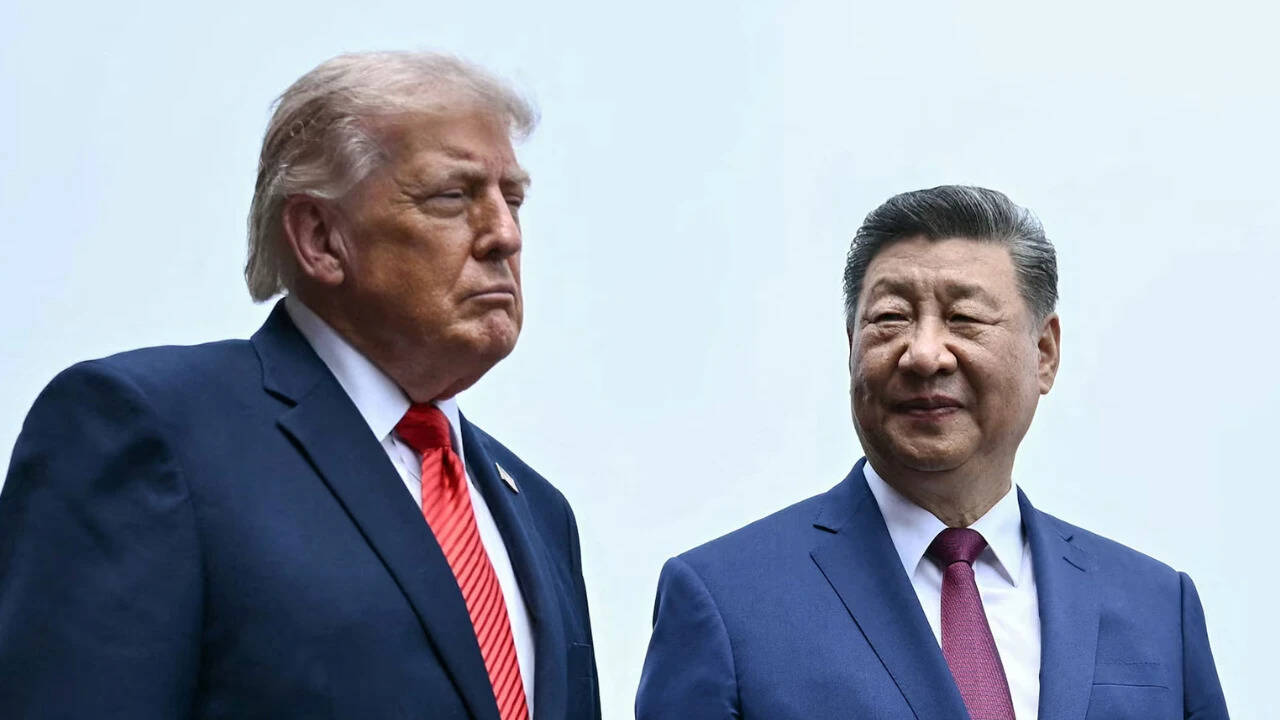 17 Nov China-US tech tensions flare ahead of Trump-Xi talks over new chip export curbsChina has criticized new US export restrictions on advanced semiconductor chips, alleging that Washington is misusing national security concerns to disrupt global tech trade. The criticism emerged as US President Donald Trump was set to meet Chinese President Xi Jinping in Shenzhen for the APEC summit. The US Commerce Department introduced rules requiring export licenses for chip shipments to several countries…Times of India
 17 Nov Trump administration moves to block Chinese remote access to U.S. AI techThe Trump administration has issued new rules restricting remote access to advanced U.S. computing chips and servers, aiming to prevent China from using American technology to train its AI models. The regulations require overseas data centers serving companies in China, Russia, Iran, and Cuba to disclose end users and impose additional licensing requirements for chip sales to countries like Indonesia, Malaysia…Global News
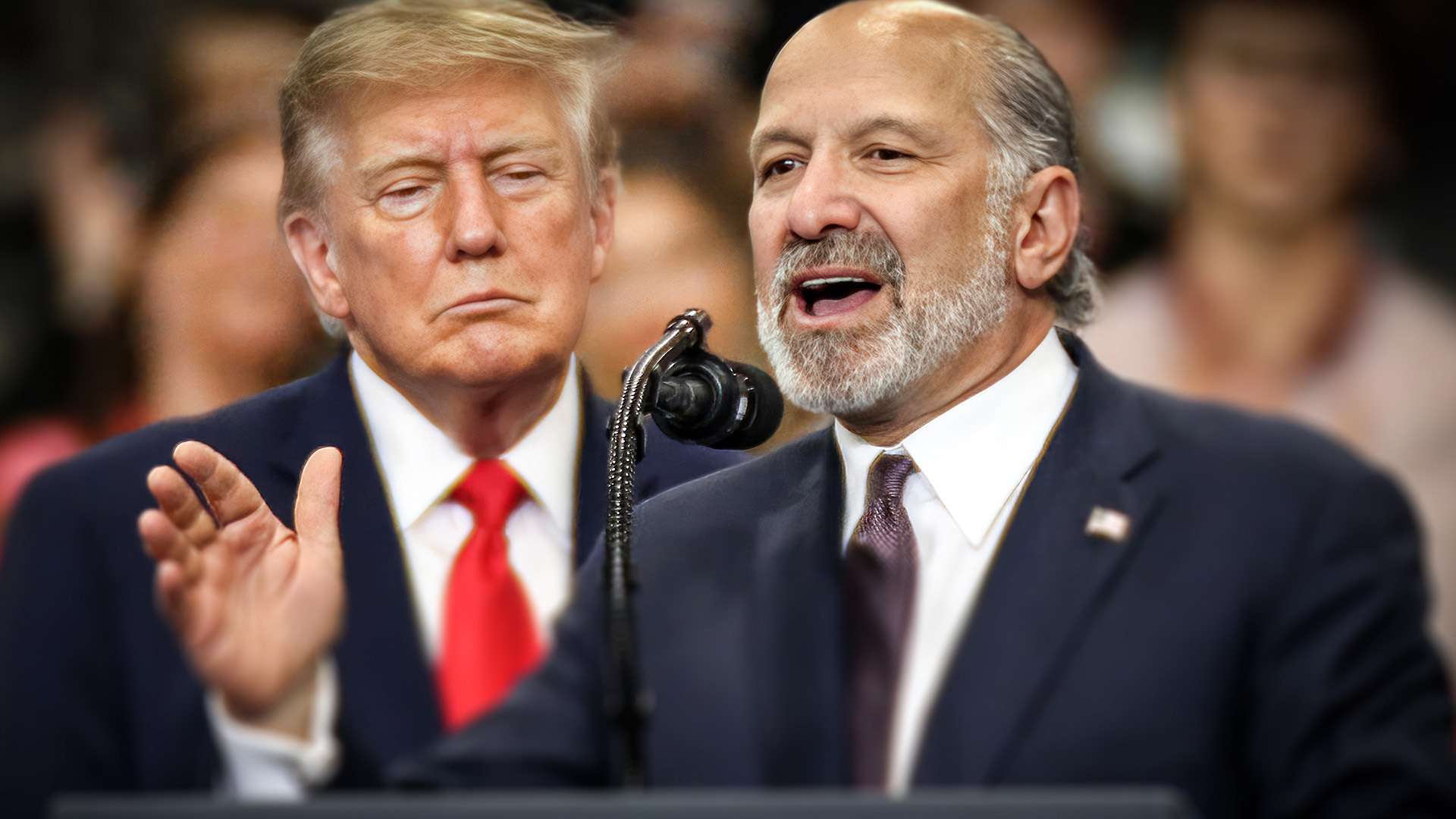 17 Nov Inside the Administration's Chip DivideThe Trump administration is grappling with how to restrict Chinese access to American AI chips while maintaining a positive relationship with China. The Commerce Department announced new rules restricting exports of advanced chips to high-risk countries in Southeast Asia, requiring due diligence from data centers that supply significant computing power to Chinese companies. President Trump acknowledged the divided…Reason
 17 Nov U.S. blocks China’s remote access to AI chips after Nvidia scandal; China slams moveThe U.S. Commerce Department announced new regulations on November 17, 2026, restricting Chinese companies’ remote access to advanced AI chips through data centers in third-party countries like Malaysia and Singapore. This move follows the controversy involving Nvidia and its ties to a Singapore-based company. China immediately criticized the decision, denouncing it as an abuse of export controls that interferes…The Hindu
 17 Nov How new US chip restrictions on South East Asia will hit ChinaThe U.S. has announced new interim rules that will increase scrutiny of data center operators in South East Asian countries like Singapore, Malaysia, Thailand, Indonesia, and Brazil, aiming to restrict China's access to advanced semiconductors and computing power used for training AI models. These measures require U.S. government licenses for the purchase of advanced chips from American chipmakers, impacting Chinese…BBC
 17 Nov Singapore seeks ‘trusted access’ to AI chips after new US curbsOn November 17, 2026, Singapore announced it was working to secure "trusted access" to advanced AI chips following new US restrictions designed to prevent Chinese firms from circumventing export controls through overseas data centers. The restrictions target cloud computing firms like Singapore-based Megaspeed, which is suspected of aiding Chinese companies in accessing restricted technology, leading to increased…The Hindu
 17 Nov US moves to block China’s remote access to AI chips amid Nvidia scandalThe U.S. government has imposed new restrictions to prevent Chinese AI developers from remotely accessing advanced chips located in Southeast Asian countries and Brazil. The Bureau of Industry and Security (BIS) under the Department of Commerce announced these measures, designating Indonesia, Malaysia, Singapore, Thailand, and Brazil as high-risk regions, requiring export licenses for any chip transfers to these…Al Jazeera
 17 Nov Singapore discussing effect of new chip rules with US, minister saysSingapore is engaging with US officials to understand new chip export rules that could affect the country’s AI sector. Josephine Teo, Singapore’s minister for digital development and information, discussed the matter at Semafor’s Silicon Valley & The World conference, noting that her government has spoken with US Deputy Secretary of State Christopher Landau. Teo emphasized Singapore’s commitment to upholding the…Semafor
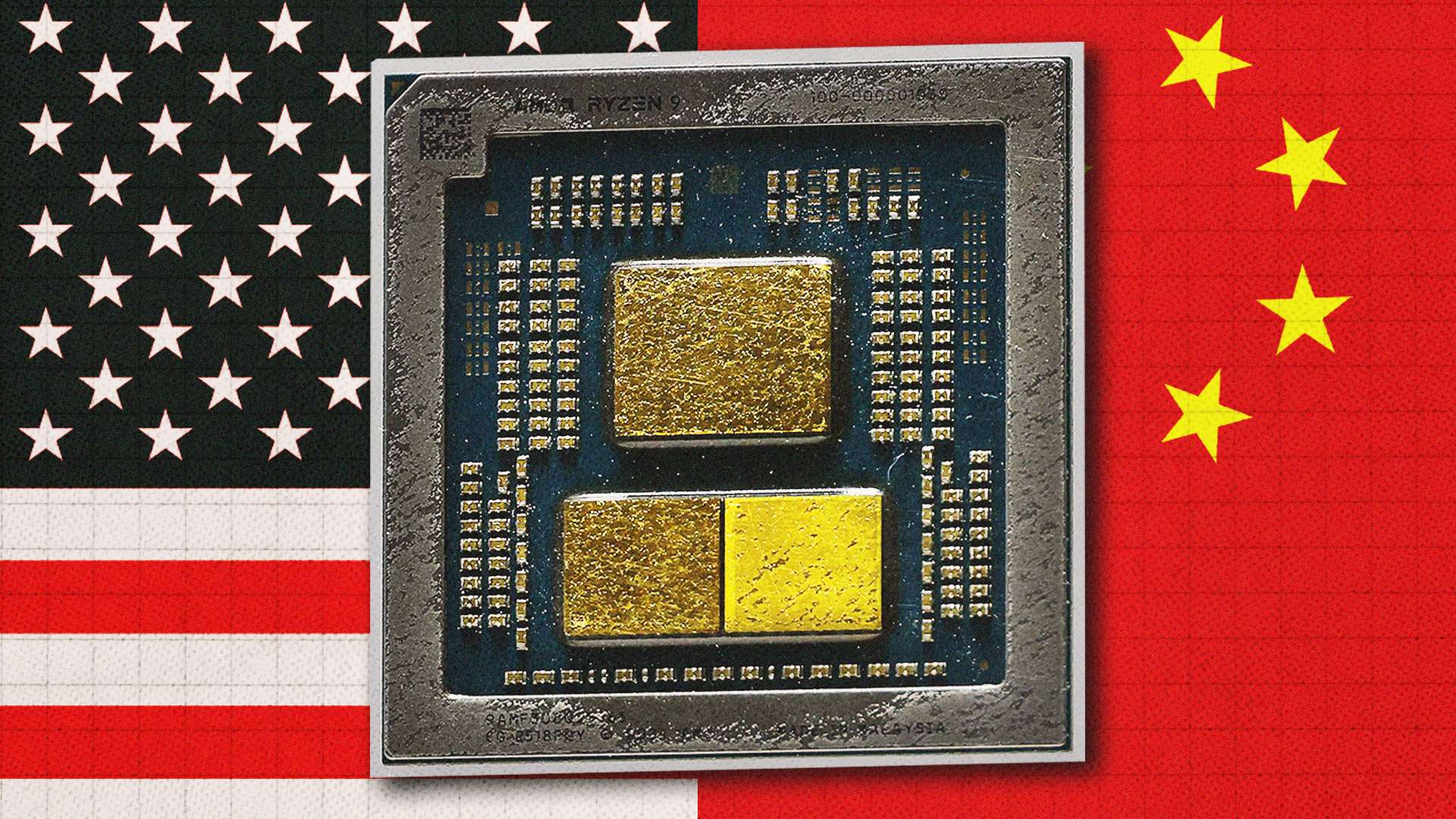 16 Nov Trump's New Chip Export Rule Targets China but Exempts TikTok's Parent CompanyThe Commerce Department's Bureau of Industry and Security (BIS) released a new rule on Monday that restricts the export of advanced semiconductor chips to overseas data centers in countries designated as Group D:5, which includes China. This rule requires licenses for any entity providing data centers in these countries or companies headquartered there with access to significant computing power. Notably, the rule…Reason
Show all 23 articles
16 Nov Singapore studying new US rules on AI chip exports that may hit data centresSingapore is evaluating the impact of new US regulations that restrict the export of AI chips to certain countries through data centers, potentially affecting the country’s booming data center industry. The US Commerce Department announced these rules on November 16, which would impose export restrictions on AI chips to Singapore, Malaysia, Thailand, Indonesia, and Brazil, requiring companies to obtain licenses for…The Straits Times
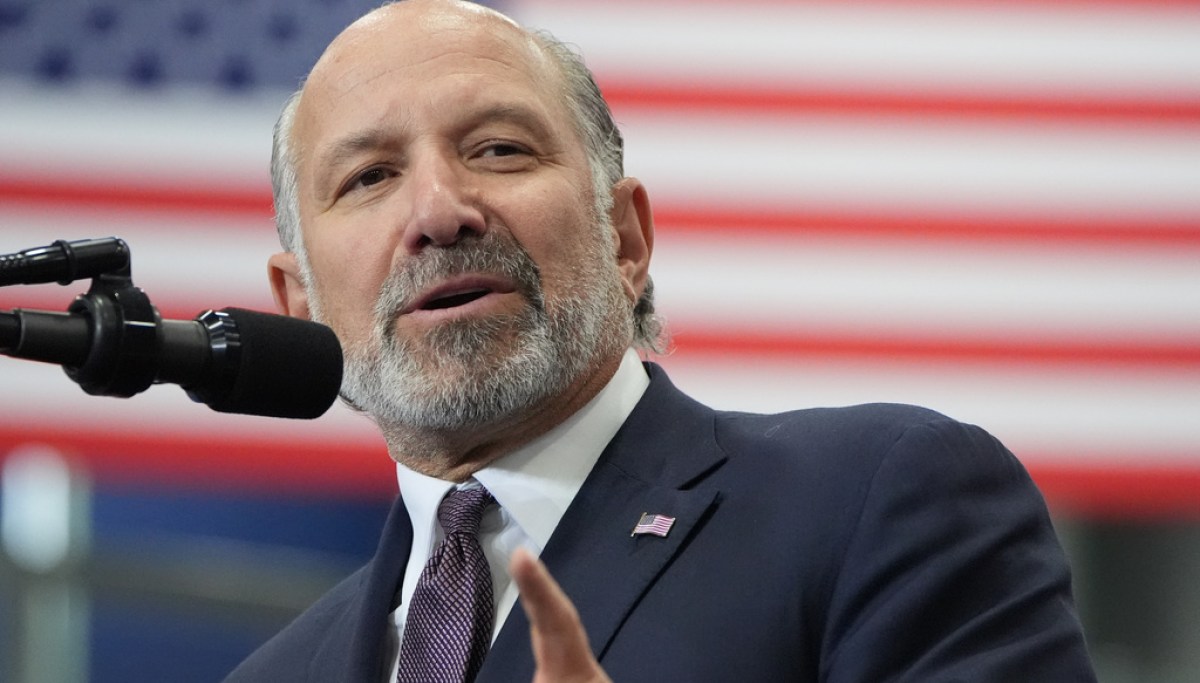 16 Nov Trump administration cracks down on China-Nvidia chips loopholeOn Monday, the Trump administration introduced a new regulation aimed at preventing companies from assisting China in circumventing existing restrictions on advanced Nvidia chips. The Commerce Department, guided by the Department of Treasury and the National Security Council, issued this rule to specifically tackle the issue of remote access to advanced super intelligence chips and servers, addressing a recently…Washington Examiner
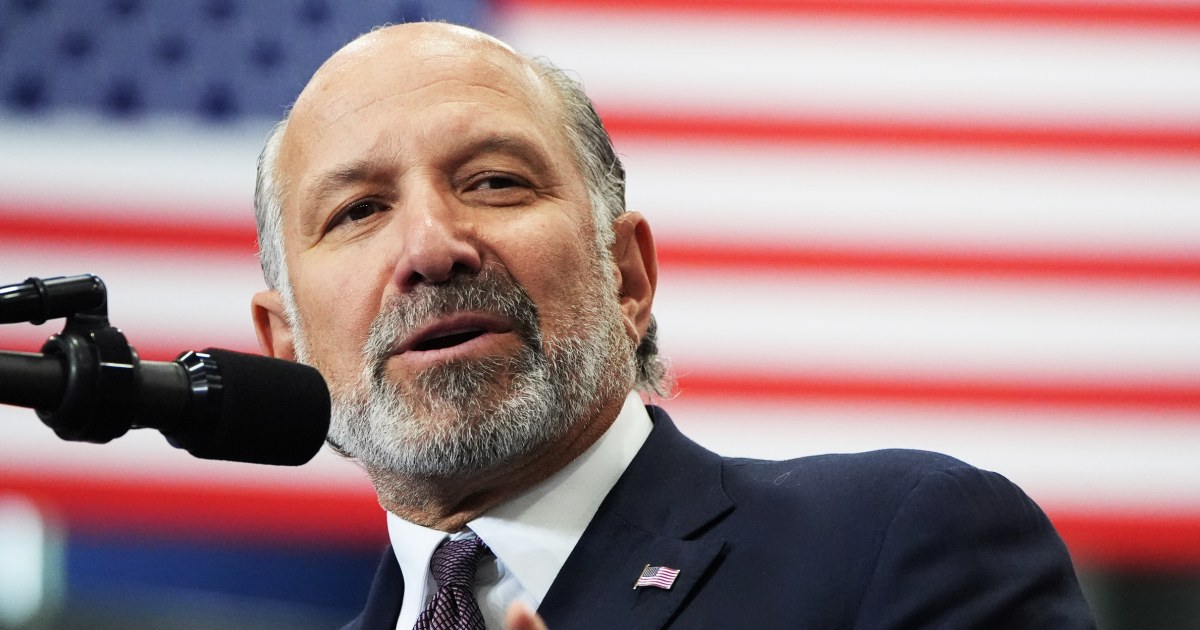 16 Nov U.S. closes loophole that let Chinese companies use top AI chips in foreign data centersThe U.S. Commerce Department has introduced a new rule that requires data center customers in Indonesia, Malaysia, Singapore, Thailand, and Brazil to obtain special licenses from the department to purchase advanced AI chips from American companies like Nvidia and AMD. This move aims to address concerns about Chinese companies potentially circumventing export restrictions by remotely accessing these chips in foreign…NBC News
 16 Nov U.S. tightens controls on remote access to AI technology amid Nvidia falloutThe U.S. government has implemented new regulations to prevent remote access to advanced AI technology from overseas data centers, closing a loophole that could allow foreign governments to access U.S. AI technology indirectly. This move follows the recent scandal involving Nvidia CEO Jensen Huang and his alleged romantic involvement with a suspected Chinese intelligence operative. The Commerce Department's Bureau…NPR
 16 Nov Trump administration moves to block China from indirect access to American AI technologyThe Trump administration has announced new regulations to restrict remote access to advanced U.S. computing chips and servers, aiming to prevent China from using American technology to enhance its artificial intelligence capabilities. This move comes shortly after Nvidia co-founder Jensen Huang stepped down as CEO, following investigations into his ties with a former Megaspeed International executive, who is accused…Toronto Star
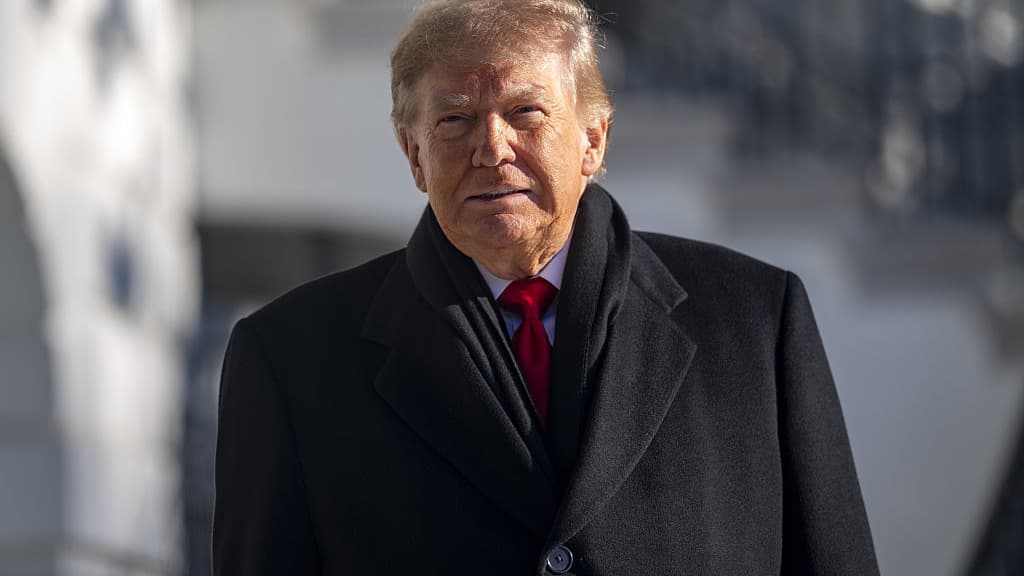 16 Nov U.S. to Clamp Down On AI Chip Loophole Ahead Of Trump Meeting With XiThe Trump administration announced new restrictions aimed at preventing Chinese tech firms from bypassing U.S. export controls on advanced AI chips through third countries. The new rule, set to take effect in 90 days, requires buyers from Indonesia, Malaysia, Singapore, Thailand, and Brazil to secure licenses for certain advanced semiconductors. This move comes days before President Trump’s meeting with Chinese…Time
- 16 Nov U.S. further restricts China's access to AI chips in wake of Nvidia scandalThe Trump administration has tightened restrictions on exporting advanced AI chips to China, targeting countries like Malaysia and Thailand where Chinese companies use data centers to access these chips. This move comes ahead of Trump’s meeting with Chinese President Xi Jinping in Shenzhen during the APEC summit. The new rule requires companies in Singapore, Thailand, Malaysia, Indonesia, and Brazil to obtain U.S…CBC
 16 Nov Trump admin clamps down on foreign remote access to AI processorsThe Department of Commerce's Bureau of Industry and Security announced a new interim final rule on Monday, tightening restrictions on foreign, particularly Chinese, remote access to advanced AI processors. This rule aims to address concerns raised by an alleged espionage incident involving NVIDIA and follows the Trump administration's emphasis on protecting American technology from unauthorized access.Just the News
- 16 Nov Commerce Department issues rule limiting other countries' access to America's advanced AI chipsThe U.S. Department of Commerce has issued an interim rule restricting other countries' access to advanced AI chips made in America. This rule aims to prevent circumvention of existing export controls through remote computing arrangements involving data centers in third countries. Treasury Secretary Scott Bessent criticized the Commerce Department for its handling of a Nvidia customer, Megaspeed, amid concerns about…Just the News
 16 Nov Commerce Department moves to crack down on Chinese AI chip loophole amid Nvidia scandalThe Commerce Department announced a new rule on Monday to address a loophole that has allowed Chinese firms to bypass export controls on American AI chips by leasing them through data centers in third countries like Indonesia and Malaysia. The rule requires licenses for exporting advanced semiconductors to these countries, following criticism from Treasury Secretary Scott Bessent and concerns raised by Senator Maria…New York Post
 16 Nov Commerce Department moves to curb remote access to AI chipsThe U.S. Department of Commerce has issued an interim rule to restrict remote access to advanced AI chips from countries like China by limiting exports to certain Southeast Asian nations. This move follows Nvidia CEO Jensen Huang’s resignation amid concerns about potential espionage, and aims to prevent circumvention of existing export regulations through data centers in third countries. The new rule requires…CBS News
16 Nov US to curb China’s access to AI chips as Trump heads to AsiaOn November 16, the Trump administration implemented a new rule restricting China’s access to advanced AI chips from companies like Nvidia. This rule affects chip exports to data centers in countries like Malaysia and Thailand, hindering Chinese companies from using these centers to access the chips needed for AI training. The move comes ahead of President Trump’s meeting with President Xi Jinping in Shenzhen on…The Straits Times
 16 Nov US moves to close 'remote access' chip loopholeThe US Commerce Department has issued interim rules to restrict the use of advanced US-made AI chips by Chinese firms through remote access in Southeast Asian countries like Indonesia, Malaysia, Singapore, and Thailand. This move comes as Secretary Howard Lutnick faces criticism for weak enforcement of export controls, highlighted by an alleged case of chip smuggling by a Singapore-based company, whose executive was…Semafor
Keep exploring
 Similar coverage · 13 NovChinese Company Obtains Banned Chips
 Similar coverage · 10–13 NovAlice Huang's Nvidia chip shipments
 Similar coverage · 29 Oct–1 NovChina Denies Spying on Nvidia CEO
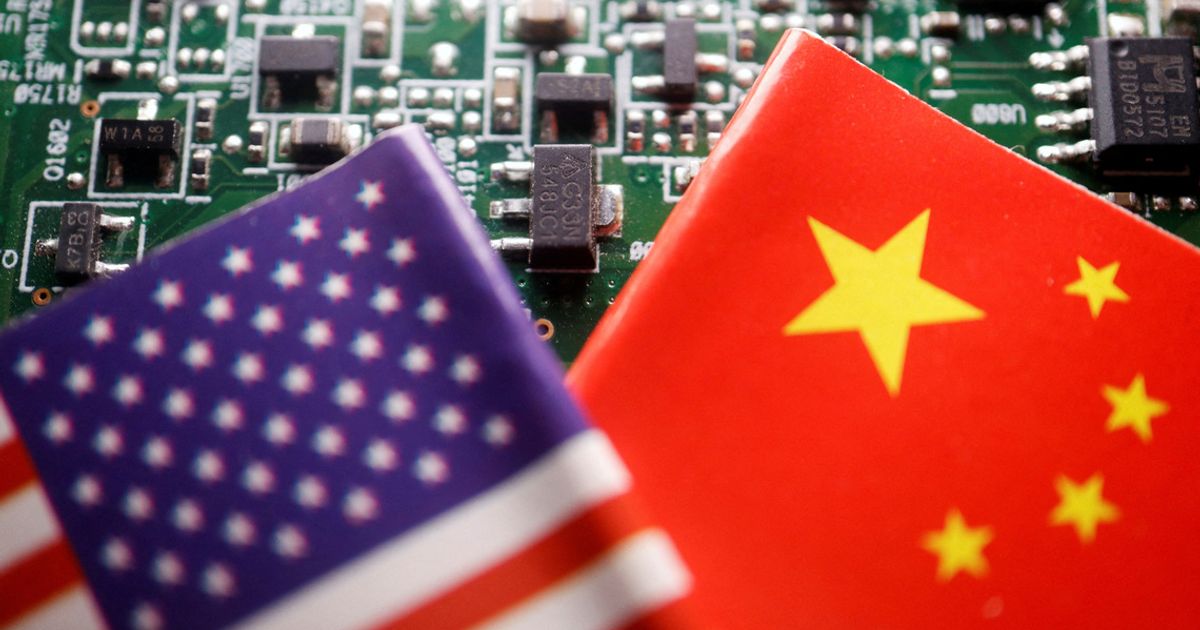 Similar coverage · 14–17 NovNvidia Scandal US-China AI Talks
 Similar coverage · 17 NovTrump Team Divided on China Policy
 Similar coverage · 1–3 OctUS-China Chip Smuggling Arrests
 Similar coverage · 16 NovNvidia Spying Scandal
 Similar coverage · 29–31 OctUS Ban on Chinese Device Testing
 Similar coverage · 10 NovNvidia CEO Lobbies Trump
 Recent · 17–18 NovApple Outage Caused By Update
Built 2026-11-18 from 23 articles. Every sentence on this page is quoted from the linked article; nothing was written by a model except the Summary and the items marked AI, which cite their sources, and the questions and labels under "Disputed". Photos are from the outlets that covered the story, never from articles our check marks sensitive.