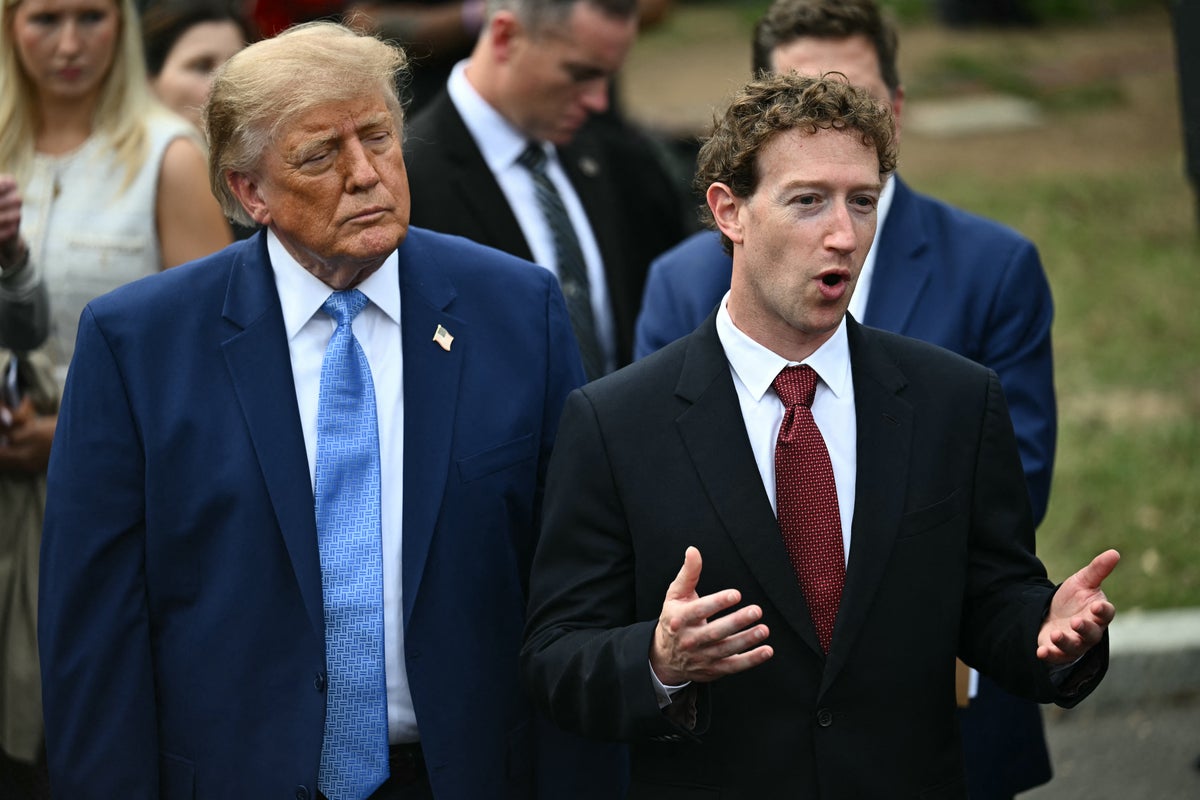
Photo via TIME

Taxing Wealth Makes Sense, But It Won’t Fix Our Economy

Read the original at TIME ↗
Cite

Mazzucato, M. (2026, October 29). Taxing Wealth Makes Sense, But It Won’t Fix Our Economy. TIME. https://time.com/article/2026/10/29/taxing-wealth-makes-sense-but-it-won-t-fix-our-economy/

Dated from the outlet's own feed. Check the original for its byline.

TIME · collected 2026-10-29 · by Mariana Mazzucato

Quick Summary

The article discusses Proposition 40 in California, which proposes to impose a one-time tax of 5% on fortunes over $1 billion to fund Medicaid. Billionaires like Elon Musk and Sergey Brin have spent over $333 million opposing the measure, arguing it could drive wealthy individuals out of the state. The author supports Proposition 40 but argues that it does not address deeper economic issues, such as the role of public funding in creating wealth for tech billionaires. They highlight how government-funded research has underpinned innovations like Apple's iPhone and SpaceX technologies, suggesting that addressing these underlying factors is crucial for a more equitable economy.
Written by AI on 2026-10-29, from this article's own text only (the story summary below draws on all the coverage).
See how they differ ↓

AI analysis

Story summary

Voters in California rejected Proposition 40, which proposed a one-time 5% tax on fortunes above $1 billion, by a 53% to 47% margin. The measure, aimed at funding California’s Medicaid program, would have affected about 200 individuals and drawn significant opposition from wealthy residents and sports team owners. The proposal, supported by some Democrats like Vermont Senator Bernie Sanders but opposed by others like California Governor Gavin Newsom, was defeated on November 8, 2026. The ballot initiative's rejection is seen as a victory for economic growth and investment, though it has divided liberal leaders nationally.

Written for “California Voters Reject Billionaire Tax” on 2026-11-21, grounded in this article and the 42 other(s) covering the same event.

How they differ

28 outlets covered “California billionaire tax rejected”.

What each outlet says

One AI summary per outlet of its latest article on this story, written from that article alone and checked against it. Open the article for the outlet's own words.

TimeThis outlet29 Oct

The article discusses Proposition 40 in California, which proposes to impose a one-time tax of 5% on fortunes over $1 billion to fund Medicaid. Billionaires like Elon Musk and Sergey Brin have spent over $333 million opposing the measure, arguing it could drive wealthy individuals out of the state. The author supports Proposition 40 but argues that it does not address deeper economic issues, such as the role of…

Taxing Wealth Makes Sense, But It Won’t Fix Our Economy (this article)
Washington Examiner10 Nov

California voters defeated Proposition 40, which aimed to impose a tax on the wealth of billionaires in the state. The proposition received 47.2% support while 53.8% voted against it, according to AP's early results. If approved, this would have been the first such general wealth tax implemented in modern U.S. history.

California billionaire wealth tax fails, dashing liberal dreams →4 articles from Washington Examiner on this story
New York Post11 Nov

California voters have rejected Proposition 40, which aimed to implement a "billionaire tax," by a significant margin. This decision prevents what would have been the first wealth tax in the United States, intended to seize personal savings from billionaires. The proposition's failure is attributed to concerns that it could deter entrepreneurs and investors, leading to an exodus of at least seven billionaires with…

California’s billionaire tax is dead – but the state’s paid a staggering price →4 articles from New York Post on this story
The Independent10 Nov

California voters rejected Proposition 40, which aimed to impose a one-time 5% tax on individuals with over $1 billion in wealth. The measure was designed to address an estimated $100 billion loss in federal healthcare funding over five years and support education and food-assistance programs. Tech billionaires like Sergey Brin opposed the proposition by spending over $333 million, predominantly through his…

Tech billionaires dodge massive wealth tax as California voters decisively reject controversial Proposition →3 articles from The Independent on this story
Los Angeles Times10 Nov

California voters have rejected Proposition 40, which aimed to impose a one-time 5% tax on billionaires' assets to offset federal healthcare funding cuts. With 53% voting against it and 47% in favor, the measure faced strong opposition across most counties despite significant support in Los Angeles and San Francisco. The campaign against the billionaire tax was one of the most expensive in California history, with…

Billionaire tax rejected on concern squeezing California's ultra-rich would harm the economy →2 articles from Los Angeles Times on this story
Daily Mail13 Nov

This opinion piece by Richard Littlejohn argues that British and American voters are resisting wealth taxes despite a perceived shift toward left-wing politics. In California, voters rejected Proposition 40, which would have imposed a 5% tax on assets over $1 billion, by a margin of 53% to 47%. The author highlights that around 16,500 high-net-worth individuals have already left Britain since the current Labour…

RICHARD LITTLEJOHN: When we see Blair and Brown as the good old days, then we're really in trouble... Welcome to Bolshevik Britain →2 articles from Daily Mail on this story
Show 20 more outlets
ABC News (US)10 Nov

California voters rejected Proposition 40, a ballot initiative known as the "billionaires' tax," which aimed to impose a 5% tax on individuals and trusts with assets over $1 billion. The measure was projected to generate around $100 billion over five years but faced significant opposition; the main opposing group, Building a Better California, raised $333.1 million, primarily from billionaires like Sergey Brin…

California's Prop 40 'billionaires' tax' measure is rejected, AP projects →2 articles from ABC News (US) on this story
Semafor17 Nov

On November 3, despite Democrats winning major races, several progressive ballot initiatives failed and conservative measures passed across the U.S. In California, voters rejected a wealth tax on billionaires and measures to ease the creation of new taxes. In Colorado and Washington, conservative proposals related to transgender rights in sports were approved. These results suggest that while voters may support…

Voters broke with Democrats on ballot initiatives →2 articles from Semafor on this story
The Straits Times5 Nov

As California tallies votes, Proposition 40, a proposed wealth tax targeting billionaires, appears to be trailing despite favorable voter registration for Democrats. The measure would impose a one-time 5% levy on assets of California's estimated 250 billionaires, expected to raise around $100 billion. However, it faces significant opposition due to concerns that such a tax could drive wealthy individuals and…

Billionaire tax measure trails as California tallies votes →2 articles from The Straits Times on this story
NPR10 Nov

California's proposed billionaire wealth tax, Proposition 40, was rejected by voters despite expectations of a favorable political climate. Economists Gabriel Zucman and Joshua Rauh disagree on why Prop 40 failed, with Zucman attributing it to extensive opposition spending—nearly $400 million versus negligible support funding—which overwhelmed voter decision-making processes in California's ballot initiative system.

Why did California's billionaire tax fail to surf the blue wave? →2 articles from NPR on this story
The Guardian10 Nov

Tech industry leaders, notably Google co-founder Sergey Brin who contributed at least $132 million, successfully defeated California's Proposition 40, which proposed a one-time 5% tax on billionaires' wealth for healthcare funding. Silicon Valley elites raised nearly $425 million in total to oppose the measure and supported an initiative (Proposition 42) banning taxes on billionaire wealth, ultimately outspending…

Tech’s biggest names sunk a tax on billionaires’ wealth with $425m and a familiar playbook →2 articles from The Guardian on this story
The Hindu3 Nov

On November 3, 2026, California proposed a ballot measure called Proposition 40 that would impose a one-time 5% tax on the net worth of Californians with over $1 billion in assets. The initiative aims to address federal healthcare funding cuts and has sparked intense debate among political figures and wealthy individuals; tech moguls like Sergey Brin and Larry Page have already started relocating, while others such…

California could become the first State to tax billionaires' wealth →
Fox News4 Nov

California's Proposition 40, which would impose a one-time 5% tax on billionaires' assets, faces likely defeat as of Wednesday, despite support from the Democratic Socialists of America (DSA). The measure aims to address a $100 billion shortfall in Medi-Cal funding by taxing the state’s wealthiest residents. Governor Gavin Newsom opposes the proposition, highlighting broader debates about socialist policies and…

Newsom breaks with socialists over billionaire tax, and California voters appear poised to reject it →
City A.M.8 Nov

California voters rejected a proposed one-off wealth tax of five percent on net worth above $1 billion through Proposition 40. The 'no' campaign was significantly funded by billionaires like Google co-founder Sergey Brin, who contributed over $100 million, giving them an overwhelming financial advantage over the pro-tax side. While opponents argue that such taxes harm the broader economy, the reliance on billionaire…

California has rejected wealth taxes, but for the wrong reasons →
Toronto Star10 Nov

California voters have rejected Proposition 40, which aimed to impose a one-time 5% tax on the net worth of billionaires, after a high-spending campaign where critics like Google co-founder Sergey Brin raised over $100 million to defeat it. The measure would have generated funds to address federal healthcare funding cuts estimated at $100 billion over five years and support education and food assistance programs…

California voters reject measure to tax the wealth of billionaires →
NBC News10 Nov

California voters rejected Proposition 40, which aimed to impose a one-time 5% tax on the state’s billionaires with assets over $1.1 billion. The measure was projected to raise billions for healthcare but faced strong opposition from Democratic officials like Gov. Gavin Newsom and billionaire-funded campaigns. Critics argued it would lead to wealthier residents leaving California, reducing overall state revenue. The…

California voters reject new tax on billionaires in a blow to the left →
CBS News10 Nov

California voters have rejected a proposed tax on the state's wealthiest residents, according to CBS News projections. Proposition 40 aimed to impose a wealth tax on billionaires excluding real estate and certain retirement assets, with proceeds directed toward healthcare programs (90%) and education, food assistance, and administration (10%). The measure faced strong opposition from Governor Gavin Newsom and…

California voters reject billionaire wealth tax, CBS News projects →
Just the News10 Nov

In California’s midterm elections, voters rejected Proposition 40, which aimed to impose a one-time 5% tax on billionaires. The proposition received 47.2% support compared to 52.8% opposition. Most of the proposed tax revenue was intended to replace federal funding cuts for healthcare. Both supporters and critics from across party lines expressed varying views; opponents argued that it would be insufficient due to…

California voters reject billionaire tax measure →
Reason10 Nov

California voters have rejected Proposition 40, which proposed a one-time 5% tax on billionaires with over $1 billion in net worth. The measure was defeated by a margin of 52.8% to 47.2%. Propositions 41 and 42, competing measures designed to restrict wealth taxes, are also likely to pass, effectively banning such taxes in the state. Proponents argued that the tax could raise about $100 billion over five years for…

California Voters Reject 5% Billionaire Wealth Tax →
BBC10 Nov

California voters rejected Proposition 40, a ballot proposal that would have imposed a one-time wealth tax of 5% on individuals with over $1.1 billion in assets. The tax was intended to raise approximately $100 billion for healthcare funding amid federal cuts. Despite support from some Democrats and labour unions, the measure faced strong opposition from billionaires like Sergey Brin and California Governor Gavin…

Californians reject wealth tax for billionaires →
CBC10 Nov

California voters have rejected Proposition 40, which proposed a one-time five percent tax on the net worth of state billionaires exceeding $1 billion. The measure was heavily opposed by tech leaders such as Sergey Brin and Larry Page, who collectively spent over $333 million to defeat it—more than ten times what supporters raised. Critics argued that the tax would cause wealthy individuals to leave California…

California voters reject proposed billionaire tax →
South China Morning Post10 Nov

California voters rejected Proposition 40, which aimed to implement a new wealth tax targeting billionaires, despite a projected Democratic surge in the midterm elections. Proponents estimated that Prop 40 could raise $100 billion for healthcare programs but failed due to opposition largely centered around recent federal tax breaks favoring wealthy individuals and corporations enacted under President Trump’s…

California billionaire tax measure defeated in contentious vote →
Euronews10 Nov

California voters rejected Proposition 40, which would have imposed a one-time tax of 5% on the net worth of around 200 billionaires in the state. The measure aimed to raise approximately $100 billion for public healthcare but was defeated due to concerns that it could drive wealthy individuals out of California. With about 60% of ballots counted, the "No" side led with 55.6%, and major broadcasters projected its…

California voters reject one-off billionaire wealth tax US media predicts →
Al Jazeera10 Nov

California voters have rejected Proposition 40, which aimed to impose a one-time 5 percent tax on individuals with a net worth exceeding $1 billion, raising an estimated $100 billion for healthcare and other public programs. With about 60% of votes counted, the measure was defeated by a margin of roughly 55.6% against it compared to 44.4% in favor. The proposal faced strong opposition from Governor Gavin Newsom and…

California voters reject billionaire tax →
The Daily Wire10 Nov

California voters rejected Proposition 40, which aimed to impose a one-time 5% wealth tax on billionaires' net worth, with 53% voting against it and 47% in favor. The measure was backed by Bernie Sanders and aimed to fund government health care programs; however, opponents argued that it would drive businesses out of the state. Governor Gavin Newsom opposed Proposition 40 but supported a national wealth tax instead…

Voters Shoot Down Bernie Sanders-Backed Billionaire Tax →
The Blaze10 Nov

California voters rejected Proposition 40 last Tuesday, which aimed to impose a one-time 5% wealth tax on billionaires residing in the state as of January 1, 2026. Endorsed by politicians like Bernie Sanders and Ro Khanna, the proposition faced strong opposition due to concerns that it would drive wealthy individuals out of California, potentially leading to a loss of tax revenue rather than gain. The proposal's…

Bernie-backed tax on billionaires is TOO extreme even for California →

Where they agree and split

Agreed

Reported by outlets on both sides of the middle

Brin and Larry Page, his fellow Google co-founder, were among the billionaires who began cutting ties with California in anticipation of the possible tax.

5 outlets
Show 3 more

Mark Zuckerberg said he would stay in California for eight years and made a deal with Meta that would help him pay the tax without losing his ownership stake in the company.

4 outlets

California's budget relies heavily on the income tax of the State's richest residents.

4 outlets

The committee has raised more than $333 million, about 30% of it from Brin.

4 outlets

Framing

How the first headlines put it

  • Time frames the debate around whether taxing wealth makes sense economically, while The Hindu highlights California's potential to become the first state to tax billionaires' wealth.12
Words to watch (1)

Sure, California voters overwhelmingly backed Democrats. But they refused to punish success. New York Post

The full story: what happened, how it changed, and all 43 articles →

Compared with similar articles

This article reads leans strongly left and hedges 8% of its claims. Each row says how that neighbour differs.
Los Angeles Times
Leans right further right than this Hedges 9 of 52 claims Outlet record 95/100
The Independent
Leans left further right than this Hedges 0 of 28 claims Outlet record 59/100
New York Post
Leans left further right than this Hedges 3 of 32 claims Outlet record 66/100
“The articles discuss different propositions: Proposition 40 regarding a billionaire wealth tax and Proposition 3 about making permanent taxes on top earners.”
The Guardian
Leans strongly left Hedges 1 of 33 claims Outlet record 64/100
“The articles discuss different aspects of wealth taxation and economic issues without focusing on the same specific incident.”
The Independent
Leans left further right than this Hedges 0 of 28 claims Outlet record 59/100
The Guardian
Leans strongly left Hedges 2 of 28 claims Outlet record 64/100
“While both articles discuss Proposition 40 regarding a one-time tax on billionaires in California, they do not describe the same specific event but rather provide different perspectives and analyses leading up to a vote.”
Los Angeles Times
Hedges 6 of 66 claims Outlet record 95/100
“While both articles discuss Proposition 40 in California, Article A focuses on social media stars being paid to influence voters, while Article B discusses broader economic implications and opposition from Silicon Valley billionaires.”
The Guardian
Leans left further right than this Hedges 19 of 153 claims Outlet record 64/100
“While both articles discuss Proposition 40's billionaire tax in California during the midterms, Article A focuses on the current campaign and potential outcomes, whereas Article B discusses the historical context and origin of the idea.”
Mother Jones
Leans strongly left Hedges 9 of 84 claims Outlet record 60/100
“While both articles discuss Proposition 40 and the efforts to block it by billionaires, they do not describe the same specific incident at a single point in time. Article A describes the context leading up to the vote, while Article B seems to refer more generally to the overall situation of the proposition's popularity and opposition.”
New York Post
Hedges 6 of 22 claims Outlet record 66/100
“While both articles discuss Proposition 40 regarding California's wealth tax, they describe different aspects and do not clearly report on a single identical incident.”

Story

California Voters Reject Billionaire Tax
Politics · 43 article(s) covering the same event. Compare every outlet's account →
How this article was measured signals, leaning charts, publisher record, byline, topics and claims

Signals How these are calculated →

Claims extracted
61
sentences that state something as happening or true
Uncertain
8%
5 of 61 hedged ("reportedly", "may", "according to")
Leaning
Leans strongly left
of the writing, not the subject · beta estimate
Publisher signals
60/100
TIME's corrections and hedging, across everything collected from it. Not a measure of accuracy.
Outlets on this story
43
Politics
Same framing elsewhere
1
articles that frame the event the way this one does
Analyzed 2026-10-29 · how these are computed

How this is being covered How these are calculated →

Article leaning vs. publisher reliability
Source leaning vs. consistency

Publisher

TIME · 1081 article(s) · 2 correction(s) detected
Running correction rate · 2 correction(s)

Who wrote this

Mariana Mazzucato
1 article(s) here · 1 carrying a prediction
Californians are set to vote on Proposition 40, which would take 5% of fortunes above $1 billion, once, and send nine-tenths of the revenue to fund California’s Medicaid program.
The only article under this byline in the corpus.

Topics

Google Nasdaq Proposition 40 SpaceX iPhone

Subjects

Tesla ORG · 4× Google ORG · 2× Musk PERSON · 2× NASA ORG · 2× Solyndra ORG · 2× SpaceX ORG · 2× Californians NORP · 1× Elon Musk PERSON · 1× Nasdaq ORG · 1× U.S. GPE · 1×

Narrative

This is called “pre-distribution,” shaping how value is created and shared at the outset, rather than waiting for the tax code to repair the damage, and it is a crucial principle for making capitalism work for us all. But establishing this kind of capitalism requires that we commit to another principle: access for all and reward sharing.
framing: assertive · carried by 1 article(s) · first seen 2026-10-29
Californians are set to vote on Proposition 40, which would take 5% of fortunes above $1 billion, once, and send nine-tenths of the revenue to fund California’s Medicaid program.
2026-10-29 · TIME
Taxing Wealth Makes Sense, But It Won’t Fix Our Economy · assertive framing

Claims (61 extracted, 5 hedged)

In June, Elon Musk became the world's first trillionaire when SpaceX began trading on the Nasdaq. asserted
SpaceX → become → Nasdaq
Californians are set to vote on Proposition 40, which would take 5% of fortunes above $1 billion, once, and send nine-tenths of the revenue to fund California’s Medicaid program. asserted
which → set → program
A swarm of Silicon Valley billionaires, including Google co-founder Sergey Brin, has spent more than $333 million campaigning against the potential tax, warning it will backfire and push the wealthy to flee the sunshine state. asserted
it → include → state
Even the income tax once looked like an assault on property. asserted
tax → look → property
The Supreme Court struck one down as unconstitutional in 1895, and it took the 16th Amendment in 1913 to make it ordinary. asserted
it → strike → 1913
Taxes on great fortunes may travel the same road and become unremarkable within a decade. uncertain
Taxes → travel → decade
Plus, research indicates that the wealthiest households often pay lower effective tax rates than the people who work for them. asserted
who → indicate → them
I support Proposition 40. asserted
I → support → Proposition
But it is not sufficient in addressing the underlying economic issues at hand. asserted
it → address → hand
A wealth tax like Proposition 40 tries to recover a share of value long after that value has been created, compounded, and defended. asserted
value → try → value
By then, the money has lawyers. asserted
money → have → lawyers
Which is why the origins of this extreme wealth matter, now that the prospect of redistribution has so agitated the people holding it. asserted
prospect → matter → it
To understand how these systems work, think of the iPhone. asserted
systems → understand → iPhone
As I argued in my book The Entrepreneurial State, the iPhone's foundational technologies came from public research: the internet, GPS, the touchscreen, and the voice recognition behind Siri. asserted
technologies → argue → Siri
Speech understanding research at Carnegie Mellon, MIT, and Stanford Research Institute was funded by the Defense Advanced Research Projects Agency (DARPA) in the 1970s. asserted
research → fund → 1970s
Researchers then spent two more decades on language and learning systems no company would finance, because the payoff lay thirty years out. asserted
payoff → spend → systems
The search algorithm that made Brin's fortune grew out of a National Science Foundation project at Stanford. asserted
that → make → Stanford
And then there’s SpaceX, whose listing made Musk a trillionaire, took $396 million from NASA to develop the Falcon 9 and the Dragon capsule, then $1.6 billion to fly cargo to the space station and $2.6 billion to fly astronauts. asserted
Musk → make → astronauts
The world’s richest man was also the biggest political donor this election cycle, spending $366 million supporting Republican causes. asserted
man → spend → causes
Other people see them as tech bros. asserted
people → see → bros
I see them as a brologarchy. asserted
I → see → brologarchy
They surfed off publicly financed research to earn enormous rents, and continue to profit off of them through what I call “algorithmic rents”: returns from owning the platforms, data, and models the rest of us must pass through, and manipulating what our “attention” sees. asserted
attention → surf → what
None of this takes anything away from the entrepreneurs. asserted
None → take → entrepreneurs
Turning a research program into a reusable rocket is hard. asserted
Turning → turn → rocket
The public carried the risk in the years when these technologies had no market and no buyer. asserted
technologies → carry → market
The state carries the blame: for not setting out, in the contracts, the terms of that initial investment and a fair share of the rewards for the risk the public took. asserted
public → carry → risk
The Department of Energy made the asymmetry explicit in 2009, issuing two near-identical loan guarantees to two of Musk’s companies: $465 million to Tesla and $500 million to Solyndra. asserted
asymmetry → make → Solyndra
Solyndra, a now-bankrupt solar panel manufacturer, collapsed two years later, and the taxpayer absorbed the loss and the political damage. asserted
taxpayer → collapse → loss
Tesla, by contrast, succeeded. asserted
Tesla → succeed → contrast
Under its loan agreement, the government held warrants it could exercise only if Tesla failed to repay on schedule; Tesla repaid nine years early and the warrants lapsed. uncertain
warrants → hold → schedule
The public took the downside on one deal and wrote itself out of the upside on the other. asserted
public → take → other
Economists call this socializing risk and privatizing reward. asserted
Economists → call → this
It describes a contract drafted without the confidence to ask for anything. asserted
It → describe → anything
NASA once had that confidence. asserted
NASA → have → confidence
In the early 1960s, it moved Apollo contracts from cost-plus-fixed-fee to incentive contracts tying a contractor's fee to cost, schedule, and performance, setting terms rather than writing blank checks. asserted
it → move → checks
More recently, the CHIPS and Science Act attached conditions to $52.7 billion of semiconductor funding, covering where plants get built and what jobs they create. asserted
they → attach → jobs
I believe those conditions did not go far enough. asserted
conditions → believe → ?
Wage standards covered laborers and mechanics rather than every worker, and affected communities got no formal seat in the decisions. asserted
communities → cover → decisions
Public money can come with terms. asserted
money → come → terms
This is called “pre-distribution,” shaping how value is created and shared at the outset, rather than waiting for the tax code to repair the damage, and it is a crucial principle for making capitalism work for us all. But establishing this kind of capitalism requires that we commit to another principle: access for all and reward sharing. asserted
we → call → all
…and 21 more, not listed.
Give feedback · no sign-in needed

No sign-in needed for now. Your note is sent without a name, so it cannot be answered.

History Support