Photo via Washington Examiner

Daily on Energy: How the data center ballot measures fared

Read the original at Washington Examiner ↗
Cite

Merino, M., & Patteson, C. (2026, November 4). Daily on Energy: How the data center ballot measures fared. Washington Examiner. https://www.washingtonexaminer.com/daily-on-energy/4793023/daily-on-energy-how-the-data-center-ballot-measures-fared/

Dated from the outlet's own feed. Check the original for its byline.

Washington Examiner · collected 2026-11-04 · by Maydeen Merino, Callie Patteson

Quick Summary

The article reports that in the recent midterm elections, ballot measures limiting or banning data center developments across ten states overwhelmingly passed. Specifically, out of 41 measures tracked by Ballotpedia, only one measure restricting development failed in North Dakota; all others aimed at facilitating data center growth also lost. Notable successes include outright bans in multiple Ohio cities and a strong majority vote against data centers in Alhambra, California (81.84%). Additionally, several jurisdictions are imposing temporary moratoriums on new or expanded data centers.
Written by AI on 2026-11-04, from this article's own text only (the story summary below draws on all the coverage).
See how they differ ↓

AI analysis

Story summary

In the 2026 US midterm elections, voters across nine states overwhelmingly rejected data center projects, passing moratoriums and outright bans in more than 30 localities. Despite initial concerns and predictions that data centers would play a significant role in shaping election outcomes, the actual election results showed that most voters, including many self-identified Republicans, opposed having new data centers in their communities. This rejection of data centers benefited Democratic candidates, who campaigned against the rapid expansion of AI and data centers, highlighting concerns over job loss, surveillance, and economic impacts. Key Democratic victories in states like Ohio and Texas suggest that issues related to AI and data centers may become a central theme in future American politics, reflecting a growing anti-AI populism.

Written for “Data center backlash in midterms” on 2026-11-21, grounded in this article and the 34 other(s) covering the same event.

How they differ

17 outlets covered “Data center backlash in midterms”.

What each outlet says

One AI summary per outlet of its latest article on this story, written from that article alone and checked against it. Open the article for the outlet's own words.

Washington ExaminerThis outlet4 Nov

The article reports that in the recent midterm elections, ballot measures limiting or banning data center developments across ten states overwhelmingly passed. Specifically, out of 41 measures tracked by Ballotpedia, only one measure restricting development failed in North Dakota; all others aimed at facilitating data center growth also lost. Notable successes include outright bans in multiple Ohio cities and a…

Daily on Energy: How the data center ballot measures fared (this article)3 articles from Washington Examiner on this story
CBS News6 Nov

Exit polls from the 2026 elections indicate that AI played a significant role for over half of the voters, although data centers were not the most critical issue. The polls showed majorities in all states opposed having new data centers built locally, benefiting Democratic candidates who campaigned against them. However, even many self-identified Republicans were resistant to data center construction despite voting…

Exit polls show data centers weren't winners in 2026 elections →7 articles from CBS News on this story
The Straits Times4 Nov

In the recent US midterm elections, voters in numerous towns across the country overwhelmingly rejected proposals related to data center developments. Notably, Harwood, North Dakota, was the sole exception where residents voted against a measure designed to limit such industrial projects. Around 430 out of about 800 residents cast their ballots, with approximately three-quarters opposing the initiative aimed at…

US midterms: Only one town out of dozens in US voted in favour of data centres →3 articles from The Straits Times on this story
Semafor5 Nov

After winning majorities in Congress, Democrats see artificial intelligence (AI) regulation as a key issue. However, internal disagreements between progressive and business-friendly factions within the party make it challenging to swiftly implement sweeping regulations. Conservative groups argue that voters are concerned about economic issues linked to rapid AI growth under the previous administration. Despite these…

Democrats are fired up on AI. Consensus is harder. →3 articles from Semafor on this story
South China Morning Post6 Nov

Forecasters are warning that the Democratic victory in the midterm elections may lead to regulatory changes that could stall up to 30% of planned artificial intelligence data centers in the United States. This potential clampdown includes project freezes proposed in Texas and increased federal oversight, which would significantly impact Big Tech's infrastructure spending plans.

Does the Democratic midterm victory spell the end of US AI data centre boom? →3 articles from South China Morning Post on this story
The Guardian9 Nov

Garrison Lovely argues that opposition to artificial intelligence (AI) is becoming a significant political force in America. The Democratic Party's success in the midterms was partly due to voter rejection of AI datacenters, with over 30 localities across nine states passing restrictions or moratoriums on such facilities. Voters cited AI as crucial in their decisions at a rate of 23%, and Democrats won these voters…

Anti-AI populism is the future of American politics | Garrison Lovely →3 articles from The Guardian on this story
Show 10 more outlets
404 Media4 Nov

In last night’s midterm elections across America, voters overwhelmingly rejected proposals related to AI data centers, with 38 out of over 40 ballot measures against them in 13 states. Six cities imposed outright bans while twelve others limited the power draw for such facilities. Candidates who supported data centers faced significant losses; notably, Texas Governor Gregg Abbott lost his bid for a fourth term as…

American Voters Overwhelmingly Reject AI Data Centers →2 articles from 404 Media on this story
Reason4 Nov

In the 2026 midterms, data centers became an unexpectedly significant political issue despite initial skepticism. Exit polls showed that AI data centers were crucial or a major factor for many voters, with most ballot initiatives proposing bans or restrictions on them passing overwhelmingly. Although some argued data center issues did not sway votes as strongly as expected based on pre-election polls, the results…

It Was a Data Center Election After All →2 articles from Reason on this story
New York Post2 Nov

The article reports that despite initial media hype about data centers becoming a significant political issue in US midterm elections, voter polls show it ranks among the least important concerns for Americans in key states like Texas and Ohio. Only around 3% of voters in Texas and 2% in Ohio named data centers as their top concern, according to recent CNN polls. Politicians who previously pushed regulations on data…

Data-center fury is a campaign dud →
Time4 Nov

In the 2026 midterm elections on November 3rd, a significant backlash against AI and data center expansion by voters resulted in major defeats for candidates backed by pro-AI industry groups. Democrats spent over $100 million on ads targeting Republicans’ ties to Big Tech, winning key races such as Ohio’s Senate election. Data center bans passed in multiple counties, and mayors supporting these projects were…

How AI Backlash Shaped the 2026 Midterms →
ABC News (AU)5 Nov

Voters in ten US states rejected data centre proposals in recent midterm elections, with about 41 measures overwhelmingly failing. Democrat Gina Hinojosa's victory in Texas, where she campaigned against data centre construction, further underscores the political toxicity of these projects. Political ads heavily criticized data centres, and exit polls showed that three-quarters of voters oppose such constructions in…

US rejection of data centres is a warning for Australia — and maybe leverage →
Mother Jones5 Nov

Voters across ten states rejected data center projects in nearly 40 towns during recent midterms, with only one measure passing in Harwood, North Dakota. Nationally, 77 percent of voters voted against data center development, largely driven by concerns over environmental justice and rising utility costs. In places like Joliet, Illinois, where communities have long fought industrial pollution, nearly 80 percent…

Midterm Rout for Data Centers: Voters in Nearly 40 Towns Rejected Projects →
The Intercept5 Nov

Midterm elections saw a significant victory for candidates and ballot measures restricting or halting data center development across several states. Newly elected Democratic governors in Georgia, Ohio, and Texas have promised moratoriums on new construction, echoing sentiments from local communities that overwhelmingly approved ballot initiatives against these facilities. Public policy experts attribute this trend…

Blue Tsunami’s Clearest Takeaway: People Hate Data Centers →
The Dispatch6 Nov

The article reports that despite expectations of significant influence, the AI industry faced numerous setbacks during the 2026 midterm elections. A deep-pocketed super PAC supported by Silicon Valley leaders aimed to shape election outcomes but encountered various problems instead. The piece highlights how efforts by corporate AI interests did not achieve their intended impact, reflecting a series of missteps and…

The Midterms’ Other Big Loser: AI →
ABC News (US)6 Nov

In the recent U.S. midterm elections, opposition to data centers emerged as a significant issue in hundreds of millions of dollars' worth of TV ads and campaign promises. Democrats who won governorships in several key states pledged stricter regulation on these energy-intensive facilities. For instance, Clayton Tucker in Texas attributed his victory partly to his stance against data center development due to…

Data centers took a beating in the midterm elections →
BBC6 Nov

A recent US midterms voter poll suggests that data centers were a significant issue for many voters, with 56% saying they were crucial or major factors in their vote and 76% opposing new constructions locally. The poll highlights growing public opposition to the expansion of artificial intelligence infrastructure, particularly among those who voted Democrat. Although other issues like government corruption and cost…

Did a data centre revolt affect the US mid-term election results? →

Compared with similar articles

This article reads leans left and hedges 6% of its claims. Each row says how that neighbour differs.
ABC News (US)
Hedges 0 of 1 claims Outlet record 66/100
“The articles discuss different aspects of the election results and their implications; one focuses on political landscape changes while the other discusses data center ballot measures.”
CBS News
Leans left Hedges 6 of 27 claims Outlet record 66/100
BBC News
Hedges 1 of 4 claims Outlet record 65/100
“Article A discusses specific ballot measures related to data centers in the context of midterm elections results, while Article B covers general reactions from Americans regarding the historic shift in political control of Congress.”
ABC News (US)
Leans left Hedges 10 of 51 claims Outlet record 66/100
Los Angeles Times
Leans left Hedges 6 of 42 claims Outlet record 95/100
“While both articles discuss the midterm elections held on November 2nd and 3rd, they are not describing the exact same incident. Article A provides an overview of the campaign season leading up to the election, while Article B focuses specifically on how ballot measures regarding data centers fared in those elections.”
BBC News
Hedges 2 of 11 claims Outlet record 65/100
“The articles discuss different aspects of the midterm elections; Article A sets up expectations before election day, while Article B reports on results and immediate aftermath.”
ABC News (AU)
Centre further right than this Hedges 1 of 14 claims Outlet record 67/100
“Both articles discuss the 2026 midterm elections but focus on different aspects: one on overall control changes and market reactions, while the other specifically covers ballot measures related to data centers.”
NBC News
Leans left Hedges 4 of 29 claims Outlet record 74/100
“The articles cover the general outcome of midterm elections but discuss different aspects and do not focus on the exact same specific incident or ballot measures.”
NBC News
Hedges 1 of 21 claims Outlet record 74/100
“Article A covers Election Day preparations and voting on November 3rd, while Article B discusses results and aftermath of the elections on November 4th.”
BBC News
Hedges 1 of 17 claims Outlet record 65/100
“Article A describes the initial results and celebrations during the midterm elections on November 4th, while Article B discusses the aftermath and implications of ballot measures related to data centers following the same election day.”

Story

Data center backlash in midterms
Politics · 35 article(s) covering the same event. See how they differ ↑
How this article was measured signals, leaning charts, publisher record, byline, topics and claims

Signals How these are calculated →

Claims extracted
80
sentences that state something as happening or true
Uncertain
6%
5 of 80 hedged ("reportedly", "may", "according to")
Leaning
Leans left
of the writing, not the subject · beta estimate
Publisher signals
67/100
Washington Examiner's corrections and hedging, across everything collected from it. Not a measure of accuracy.
Outlets on this story
35
Politics
Same framing elsewhere
1
articles that frame the event the way this one does
Analyzed 2026-11-04 · how these are computed

How this is being covered How these are calculated →

Article leaning vs. publisher reliability
Source leaning vs. consistency

Publisher

Washington Examiner · 5274 article(s) · 11 correction(s) detected
Running correction rate · 11 correction(s)

Who wrote this

Maydeen Merino
49 article(s) here · 1 carrying a prediction
✈️🍂🦃🚗 (Or maybe even bike if that’s your kind of thing?)
The president issued a 90-day extension of the Jones Act waiver on Friday, with the current waiver set to expire in two days.
We may not have made it to Thanksgiving yet, but holiday markets are already popping up around D.C.
2026-11-13 · assertive framing · Daily on Energy: US-China rare earth truce extended
Millions in New England are expected to be hit by a developing nor’easter later in the week, which could bring the first round of snow to the region this fall and winter season.
2026-11-11 · assertive framing · Daily on Energy: A tiny truck with a big catch
If you are in the D.C. area this weekend, Adams Morgan will be holding its Fall PorchFest, which will include more than 100 bands and 20 stages hosting live music throughout the neighborhood.
It might not feel like fall in D.C., with the humidity and warmer weather today, but the leaves have been changing colors!
We’ll be watching next week how the flipped chambers may influence immediate issues still before members in the lame-duck session, such as permitting reform.
In today’s newsletter, we take a closer look at gas prices reaching a new record under President Donald Trump, just as some voters will be driving to the polls today.
2026-11-03 · assertive framing · Daily on Energy: Happy Election Day!
Peak color in and around D.C. is expected to hit closer to next weekend.
2026-11-02 · assertive framing · Daily on Energy: Permitting reform watch
There are just four days left until the midterm elections and we will be keeping tabs on several energy and climate-related ballot measures.
Also by Maydeen Merino
Gasoline prices fall to lowest level since March
2026-11-17 · Washington Examiner
Nothing else under this byline is closely related to this article, so these are simply their most recent.
All 49 articles by Maydeen Merino →
Callie Patteson
50 article(s) here · 1 carrying a prediction
✈️🍂🦃🚗 (Or maybe even bike if that’s your kind of thing?)
If passed in the House, the Bipartisan American Affordability and Jobs Act would be one of the most significant bills signed by President Donald Trump during his second term in office.
A bill that would make it easier to build renewable energy, power lines, highways, data centers, and power plants has cleared the Senate with sweeping bipartisan support, marking the closest Congress has been to reforming federal approvals for energy and infrastructure projects.
Several Republican senators have introduced amendments that would scale back on provisions expanding the federal government’s authority to approve of interstate power lines.
We may not have made it to Thanksgiving yet, but holiday markets are already popping up around D.C.
2026-11-13 · assertive framing · Daily on Energy: US-China rare earth truce extended
The public land sales were detailed in the Interior Department’s four-year strategic plan released this week, which omitted key details about how much the agency wishes to sell off, what areas could be targeted, or when the sales will take place.
Millions in New England are expected to be hit by a developing nor’easter later in the week, which could bring the first round of snow to the region this fall and winter season.
2026-11-11 · assertive framing · Daily on Energy: A tiny truck with a big catch
Twenty-five senators voted Tuesday evening against advancing a bipartisan bill that would make it easier and faster to build pipelines, power lines, power plants, and highways.
We’ll be watching next week how the flipped chambers may influence immediate issues still before members in the lame-duck session, such as permitting reform.
By mid-May, gas prices jumped to $4.49 per gallon, and Trump’s approval rating plummeted to -17.50.
Also by Callie Patteson
Nothing else under this byline is closely related to this article, so these are simply their most recent.
All 50 articles by Callie Patteson →

Topics

Harwood Ohio Washington Examiner Wells Wiscasset

Subjects

Ohio GPE · 2× TD Cowen ORG · 2× Wells PERSON · 2× Wiscasset GPE · 2× Ballotpedia ORG · 1× Callie Patteson PERSON · 1× Harwood GPE · 1× Maydeen Merino PERSON · 1× North Dakota GPE · 1× Washington Examiner ORG · 1×

Narrative

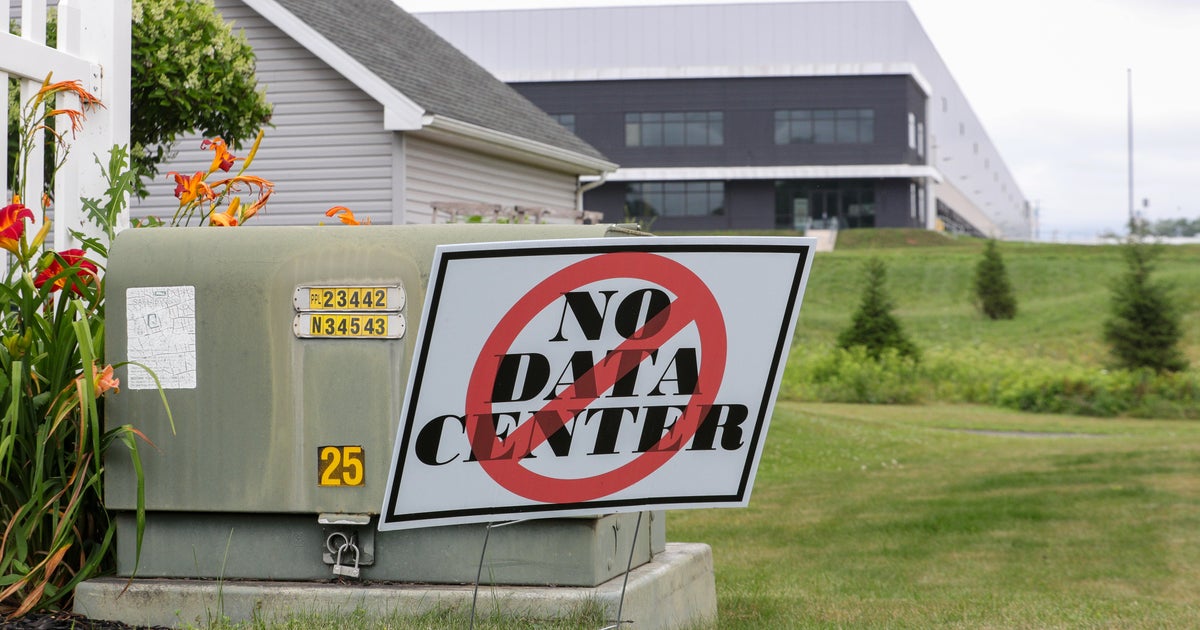
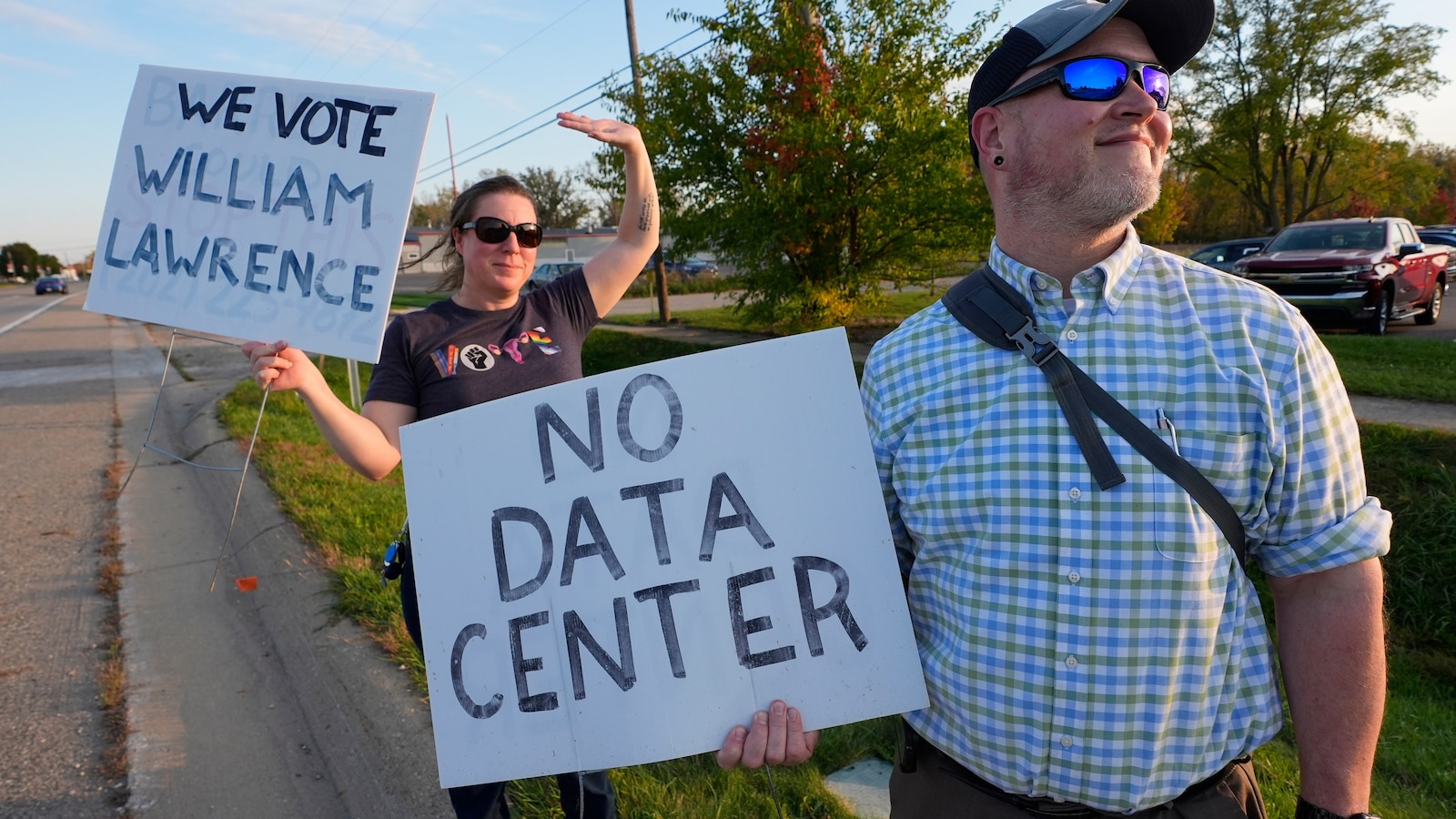
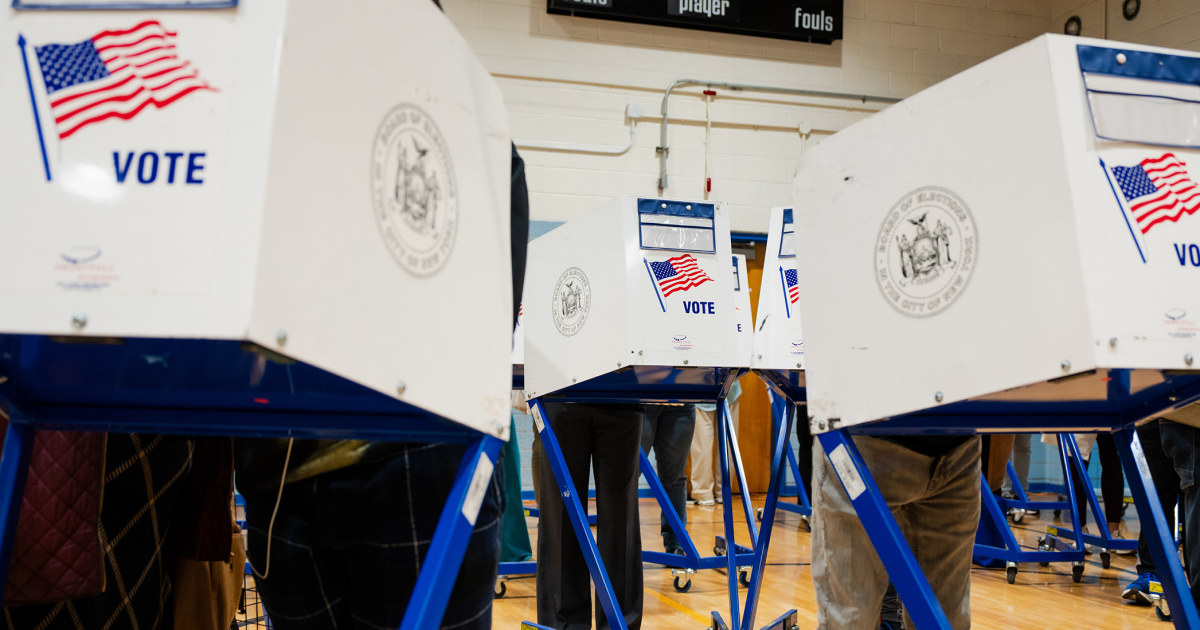
If signing up doesn’t work, shoot us an email, and we’ll add you to our list. ANTI-DATA CENTER MEASURES WIN BIG AT THE BALLOT BOXES: Last night was a major win for anti-data center ballot measures throughout the country. As part of our midterm coverage, we were tracking 41 data center measures across 10 states that would limit or facilitate AI development. Of the 41 measures, only one of the measures that would restrict development is set to fail, in Harwood, North Dakota.
framing: assertive · carried by 1 article(s) · first seen 2026-11-04
We’ll be watching next week how the flipped chambers may influence immediate issues still before members in the lame-duck session, such as permitting reform.
2026-11-04 · Washington Examiner
Daily on Energy: How the data center ballot measures fared · assertive framing

Claims (80 extracted, 5 hedged)

WHAT’S HAPPENING TODAY: asserted
WHAT → happen → ?
We hope you didn’t all stay up too late watching the midterm elections. asserted
you → hope → elections
We’re still waiting for a few races and ballot measures to be called, but those won’t change the blue tsunami that swept the nation last night. asserted
that → wait → nation
We’ll be watching next week how the flipped chambers may influence immediate issues still before members in the lame-duck session, such as permitting reform. uncertain
chambers → watch → reform
Anti-data center measures saw huge wins yesterday, with nearly all of them passing across 10 states. asserted
all → see → states
Keep reading to learn more about the measures that passed. asserted
that → keep → measures
If a friend sent this to you and you’d like to sign up, click here. asserted
you → send → you
If signing up doesn’t work, shoot us an email, and we’ll add you to our list. ANTI-DATA CENTER MEASURES WIN BIG AT THE BALLOT BOXES: Last night was a major win for anti-data center ballot measures throughout the country. As part of our midterm coverage, we were tracking 41 data center measures across 10 states that would limit or facilitate AI development. Of the 41 measures, only one of the measures that would restrict development is set to fail, in Harwood, North Dakota. asserted
that → sign → Harwood
All 13 measures that would facilitate data center development are on track to fail, according to Ballotpedia. uncertain
that → facilitate → Ballotpedia
Ohio localities had 21 measures on ballots. asserted
localities → have → ballots
Several municipalities approved measures that outright ban data center development, such as Urbana, Trenton, Upper Sandusky, and the village of Granville. asserted
that → approve → Granville
Measures to prohibit data centers that exceed 25 megawatts of power usage passed in the cities of Conneaut, Defiance, and Sunbury, and were leading in votes in the city of Oregon. asserted
that → prohibit → Oregon
In Alhambra, California, voters have strongly supported a measure to ban data centers, with the proposal having 81.84% of the vote. asserted
proposal → support → vote
Some jurisdictions are also set to impose moratoriums on data center construction. asserted
jurisdictions → set → construction
For instance, Bloomington, Illinois, passed an initiative that would advise the city to impose a moratorium on large-scale data centers. asserted
that → pass → centers
Wells and Wiscasset, Maine, have also imposed temporary moratoriums on data centers. asserted
Wells → impose → centers
The Wells measure would call for a 180-day pause, while Wiscasset’s measure would impose a six-month moratorium on new or expanded data centers. asserted
measure → call → centers
Texas Democrat Gina Hinojosa, who defeated Republican Gov. Greg Abbott last night, has called for a statewide moratorium on data centers to allow for the passage of legislation to regulate them. asserted
who → defeat → them
Georgia Governor-elect Keisha Lance Bottoms has vowed to impose a pause on data center development. asserted
Bottoms → vow → development
Amy Acton, who won Ohio’s gubernatorial race, has also prioritized reining in data center development, promising to issue guardrails on developments. asserted
who → win → developments
All the rest: WHAT DO LAST NIGHT’S RESULTS MEAN FOR PERMITTING REFORM? asserted
RESULTS → mean → REFORM
Early this morning, analysts with TD Cowen slashed their projected odds of the bipartisan permitting bill passing during the lame-duck session. asserted
bill → slash → session
In a note obtained by Axios, the analysts said last night’s blue tsunami “likely emboldens voices arguing the bill gives too many concessions” to the oil and gas industry. asserted
bill → obtain → industry
As we’ve touched on before, key Democrats in the House, including Natural Resources Committee ranking member Jared Huffman, are calling for negotiations to be pushed to the next Congress. asserted
negotiations → touch → Congress
As a result, TD Cowen said, BAAJA only has a 25% chance of succeeding. asserted
BAAJA → say → chance
But proponents of the bill aren’t giving up hope. asserted
proponents → give → hope
“I think a chamber flip was factored into the negotiation and size of flip doesn’t matter much,” Xan Fishman, executive vice president for energy at the Bipartisan Policy Center, told Callie this morning. asserted
Fishman → think → Callie
“It’s in everyone’s best interest (dems and republicans) to pass the bipartisan deal now.” asserted
It → ’ → deal
Jane Flegal, who worked in climate policy under the Biden administration, shared that sentiment, saying waiting would be a “terrible outcome.” asserted
waiting → work → sentiment
She said passing the bipartisan bill would enable the country to build new infrastructure and energy projects as fast as Texas. asserted
passing → say → Texas
During a press call earlier today, American Clean Power CEO Jason Grumet said permitting reform will be the “first test of Democrats’ willingness to make tough choices…that are needed to actually reduce energy prices.” asserted
that → say → prices
“There are certainly voices who are going to argue that it would be better to wait,” he added. asserted
he → be → ?
“But I think that the understanding in Congress is that this is a really unique opportunity, and if we don’t move forward in the next three or four weeks, it’s hard to imagine a bipartisan effort over the next couple of years.” asserted
it → think → years
SIERRA CLUB RELEASES A LEGISLATIVE BLUEPRINT FOR DEMOCRATS: asserted
CLUB → release → DEMOCRATS
The Sierra Club wasted no time in releasing a legislative policy blueprint for climate change policies this morning, calling on Democrats to “fight for accountability for Trump’s corrupt, pro-polluter policies and invest in an affordable clean energy future.” asserted
Club → waste → future
The group specifically calls for the passage of the Energy Bills Relief Act, or similar legislation, that would restore clean energy tax credits and grants slashed by the One Big Beautiful Bill. asserted
that → call → Bill
The blueprint also calls for guardrails on new data centers, requiring the large-load facilities to be powered by clean energy, not coal or gas; pay taxes on electricity consumption; and pay for their own power. asserted
facilities → call → power
It also asks Democrats to pass legislation that would repeal fossil fuel subsidies and enact a windfall profits tax on the oil and gas industry. asserted
that → ask → industry
Additionally, the Sierra Club is asking the next Congress to strengthen the Roadless Rule, enact protections for the Arctic, and block new offshore drilling. asserted
Club → ask → drilling
You can read the full policy blueprint here. asserted
You → read → blueprint
…and 40 more, not listed.

Give feedback · no sign-in needed

No sign-in needed for now. Your note is sent without a name, so it cannot be answered.

History Support