That is 0 articles you have read today.
The Aporia is free and carries no advertising, so readers are the only
thing paying for it. If you are getting this much out of it, a small
donation is what keeps it independent.
You have read 0 articles today.
That is more than the 15 a day The Aporia gives away,
and well past what it can carry on nothing. Your allowance resets at
midnight.
There is no advertising here and nothing about you is sold, so readers
are the only thing paying for it. If the site is worth this much of
your day, it is worth a few dollars.
Everything else stays open: the front page, the
directory and search do
not count against this, and neither does re-opening something you have
already read today.
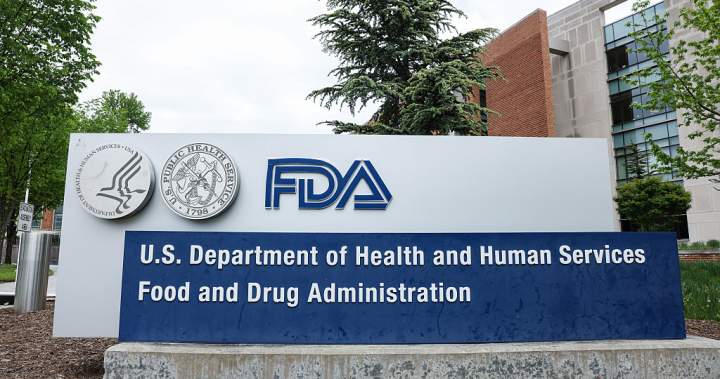
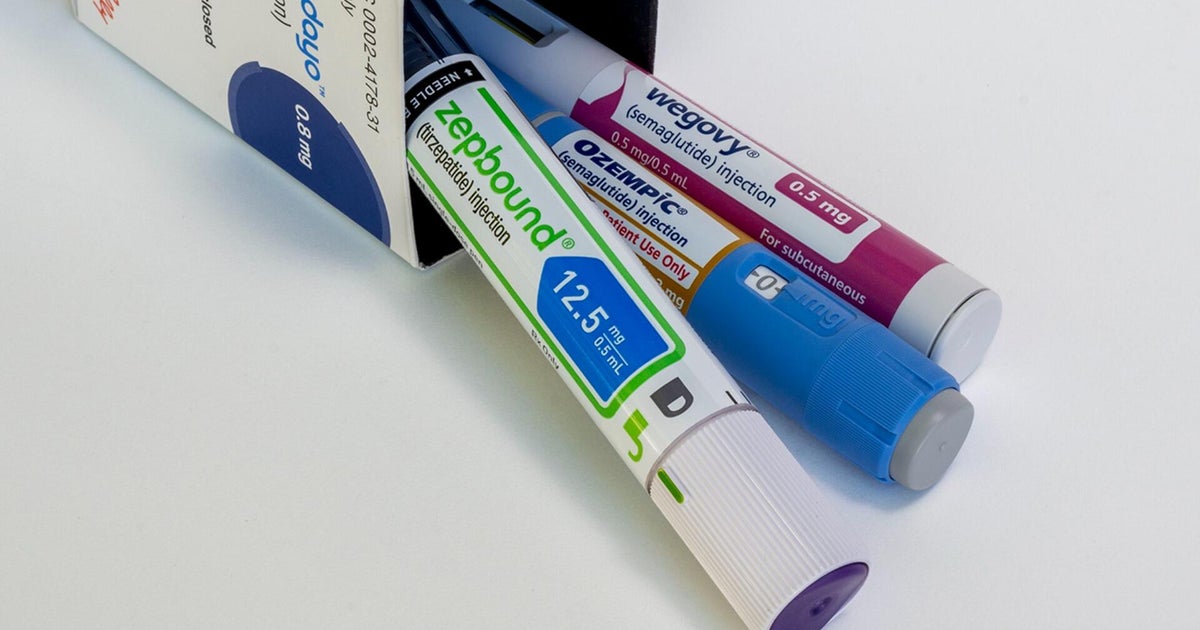
Photo via CBS News
GLP-1s must now include warning for potential increased risk of vision loss, FDA announces
GLP-1s must now include warning for potential increased risk of vision loss, FDA announces. (2026, November 10). CBS News. https://www.cbsnews.com/video/glp-1-include-warning-potential-increased-risk-vision-loss-fda-announces/
“GLP-1s must now include warning for potential increased risk of vision loss, FDA announces.” CBS News, 10 Nov. 2026, https://www.cbsnews.com/video/glp-1-include-warning-potential-increased-risk-vision-loss-fda-announces/.
“GLP-1s must now include warning for potential increased risk of vision loss, FDA announces.” CBS News, November 10, 2026. https://www.cbsnews.com/video/glp-1-include-warning-potential-increased-risk-vision-loss-fda-announces/.
Dated from the outlet's own feed. Check the original for its byline.
It appears there might be a mismatch between the title and the article text provided. The title discusses the FDA announcing that GLP-1 drugs must now carry warnings about an increased risk of vision loss. However, the text given is unrelated and mentions Hegseth being accused of high crimes and misdemeanors. Without the relevant content discussing GLP-1 drugs or FDA regulations, I cannot summarize the specific report on medications as requested.
Written by AI on 2026-11-10,
from this article's own text only (the story summary below draws on all the coverage).
The U.S. Food and Drug Administration (FDA) has ordered makers of popular weight-loss GLP-1 drugs such as Ozempic, Wegovy, Mounjaro, and Zepbound to add warnings about a rare eye condition called nonarteritic anterior ischemic optic neuropathy (NAION), which can cause sudden and permanent vision loss. The FDA announced on November 9, 2026, that the new warning follows research linking GLP-1 drugs to an increased risk of NAION, where patients may experience painless vision loss in one eye upon waking. This condition affects the optic nerve and can result in significant vision impairment or blindness. While some studies indicate a potential link between these drugs and NAION, more research is needed to fully understand the relationship, especially considering that many patients with risk factors for NAION might already have conditions like diabetes or obesity before starting GLP-1 therapy.
Written for “FDA Warns GLP-1 Drugs Eye Risk” on 2026-11-21,
grounded in this article and the 11 other(s) covering the same event.
One AI summary per outlet of its latest article on this story, written from that article alone and checked against it. Open the article for the outlet's own words.
CBS NewsThis outlet11 Nov
The FDA has announced that GLP-1 drugs will include warnings about a rare side effect that could result in vision loss. Dr. Rachel Pessah-Pollack is interviewed by CBS News to provide more details on this development.
The U.S. Food and Drug Administration has required manufacturers of weight-loss drugs like Ozempic and Wegovy to include warnings about a rare eye condition called NAION that can lead to permanent vision loss. The FDA’s decision, made after reviewing reports from over 134,000 patients, found an increased risk of six cases per 100,000 people annually for those taking GLP-1 drugs compared to about four cases among…
The Food and Drug Administration has mandated that manufacturers of GLP-1 drugs, such as Novo Nordisk’s Ozempic and Wegovy and Eli Lilly’s Mounjaro and Zepbound, include warnings about a rare eye condition called nonarteritic anterior ischemic optic neuropathy (NAION) which can cause sudden blindness. This decision follows research indicating an increased risk of NAION in patients using GLP-1 medications…
The FDA has mandated that manufacturers update warning labels on GLP-1 drugs like Ozempic and Wegovy to include a potential risk of nonarteritic anterior ischemic optic neuropathy (NAION), an eye condition that can lead to permanent vision loss or blindness. This decision follows a study showing diabetes patients taking semaglutide are four times more likely to develop NAION compared to those not using the drug…
The Food and Drug Administration will require weight loss drugs like Ozempic and Wegovy to include warnings about a rare side effect that can lead to permanent vision loss due to non-arteritic anterior ischemic optic neuropathy. This condition, which has been reported with all GLP-1 drugs used for obesity and diabetes management, can result in significant vision impairment. The FDA initiated this review following a…
The FDA announced on Monday that it will require drug labels for GLP-1 medications, including Ozempic and Wegovy, to include a warning about the rare but serious risk of non-arteritic anterior ischemic optic neuropathy (NAION), which can lead to permanent vision loss. Based on an analysis of over 125 clinical trials, the condition occurs in approximately six out of every 100,000 patients using GLP-1 drugs for at…
The US FDA has issued a warning about GLP-1 weight loss medications, including Novo Nordisk’s Ozempic and Wegovy, Eli Lilly’s Mounjaro and Zepbound, and Sanofi’s Soliqua, due to the risk of nonarteritic anterior ischemic optic neuropathy (NAION), which can cause sudden blindness. The FDA reviewed 126 clinical trials involving over 134,200 patients and found a higher incidence rate of NAION in GLP-1 users compared to…
The FDA has instructed manufacturers of GLP-1 drugs like Ozempic, Wegovy, Mounjaro, and Zepbound to include warnings about a rare eye condition called nonarteritic anterior ischemic optic neuropathy (NAION), which can cause sudden blindness. NAION occurs when blood vessels supplying the optic nerve are blocked, leading to vision loss that may be permanent. The FDA’s decision is based on its review of reports and…
“Article A describes the FDA's announcement about GLP-1 drug warning labels on November 9th, while Article B's excerpt is cut off and unclear but seems to mention an unrelated accusation.”
 The Aporia