The Aporia

Merino, M. (2026, November 4). Anti-data center ballot measures on track to go 40-1 in sign of backlash. Washington Examiner. https://www.washingtonexaminer.com/policy/energy-and-environment/4792016/anti-data-center-measures-win-big-ballot-box/
Merino, Maydeen. “Anti-data center ballot measures on track to go 40-1 in sign of backlash.” Washington Examiner, 4 Nov. 2026, https://www.washingtonexaminer.com/policy/energy-and-environment/4792016/anti-data-center-measures-win-big-ballot-box/.
Merino, Maydeen. “Anti-data center ballot measures on track to go 40-1 in sign of backlash.” Washington Examiner, November 4, 2026. https://www.washingtonexaminer.com/policy/energy-and-environment/4792016/anti-data-center-measures-win-big-ballot-box/.
Dated from the outlet's own feed. Check the original for its byline.
In the 2026 U.S. midterms, voters in numerous states rejected measures related to AI and data center development, dealing a significant blow to the tech industry's expansion plans. Ohio led with 21 ballot measures opposing large data centers, reflecting growing public concerns over environmental impacts and community disruptions. Other states like Texas, under Republican Governor Greg Abbott, saw efforts stall as new governors like Gina Hinojosa in Texas and Democrats across Georgia, Pennsylvania, and Michigan took office vowing stricter oversight. According to exit polls by NBC, 56% of voters cited AI and data centers as a "crucial or major factor" influencing their decisions. This rejection could slow down the rapid growth of tech companies like Meta and Amazon in key locations, potentially handing an advantage to competitors like China.
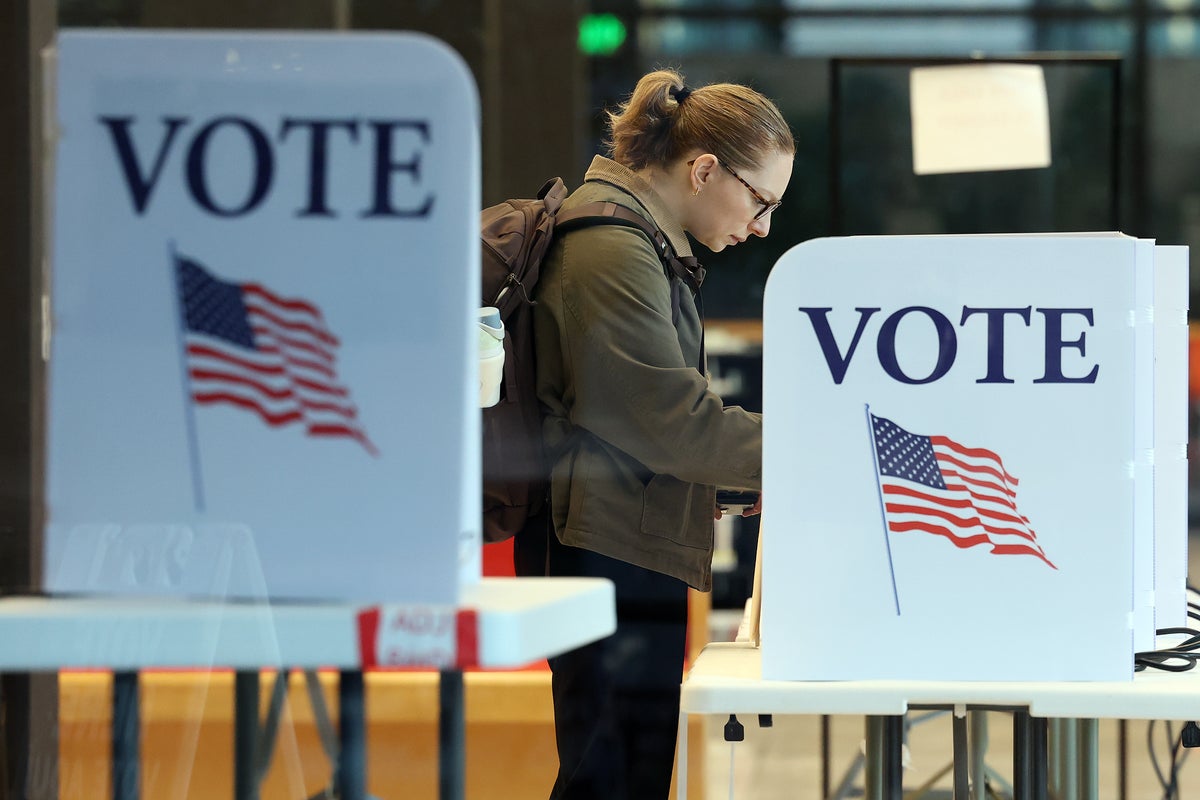
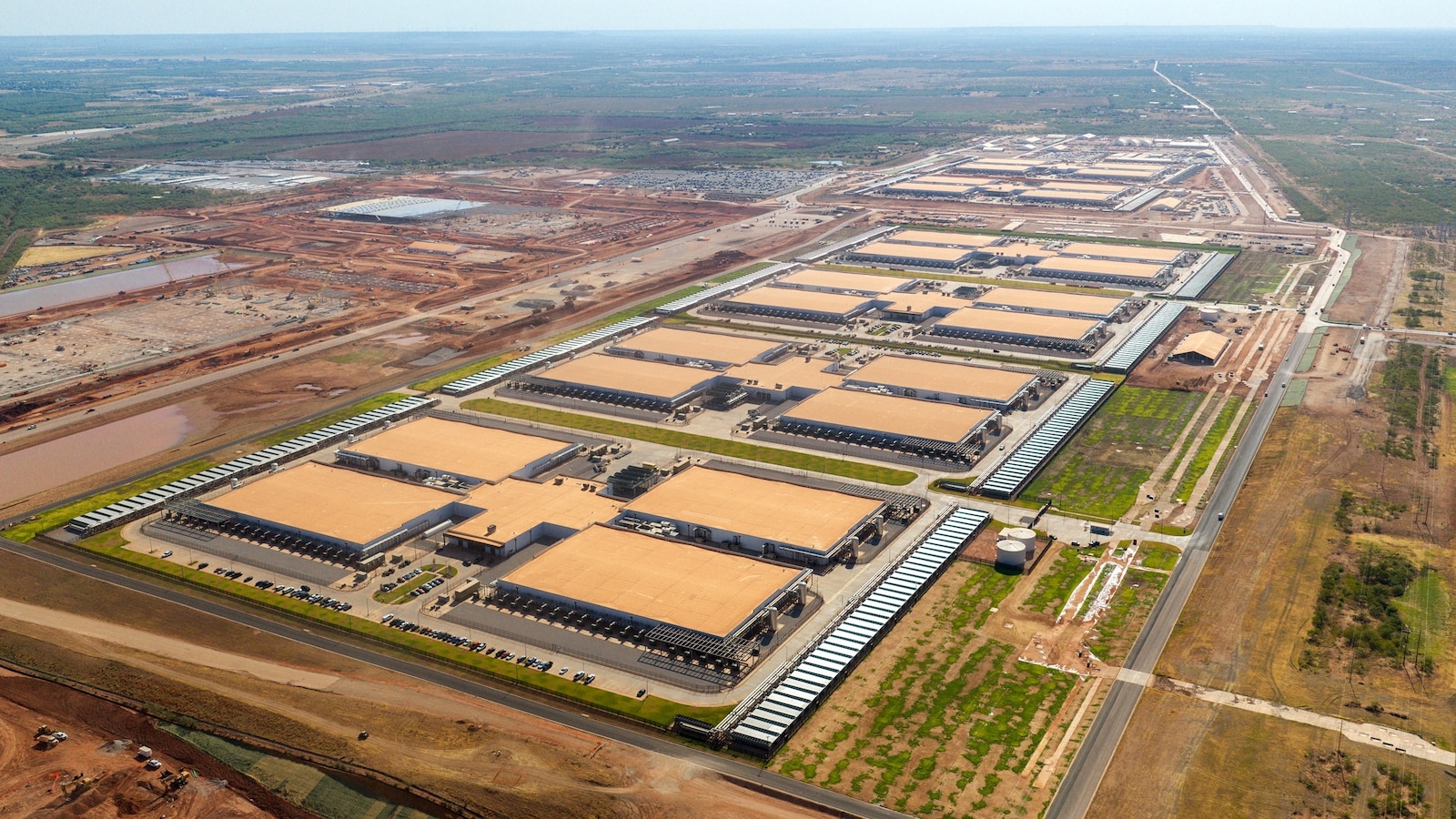
Voters across the country overwhelmingly passed ballot measures to restrict data center development, a sign of the strength of the backlash against the industry.