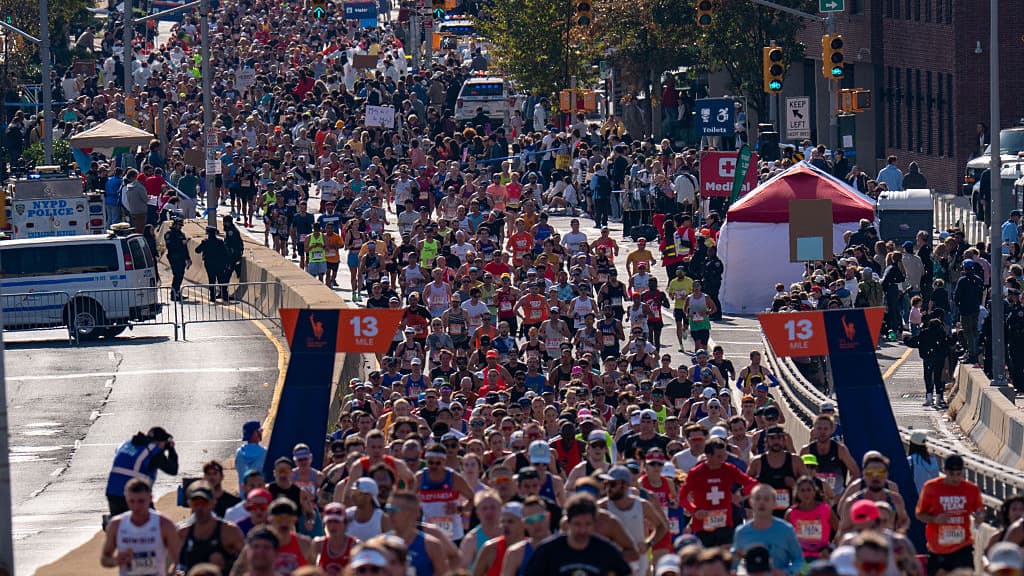
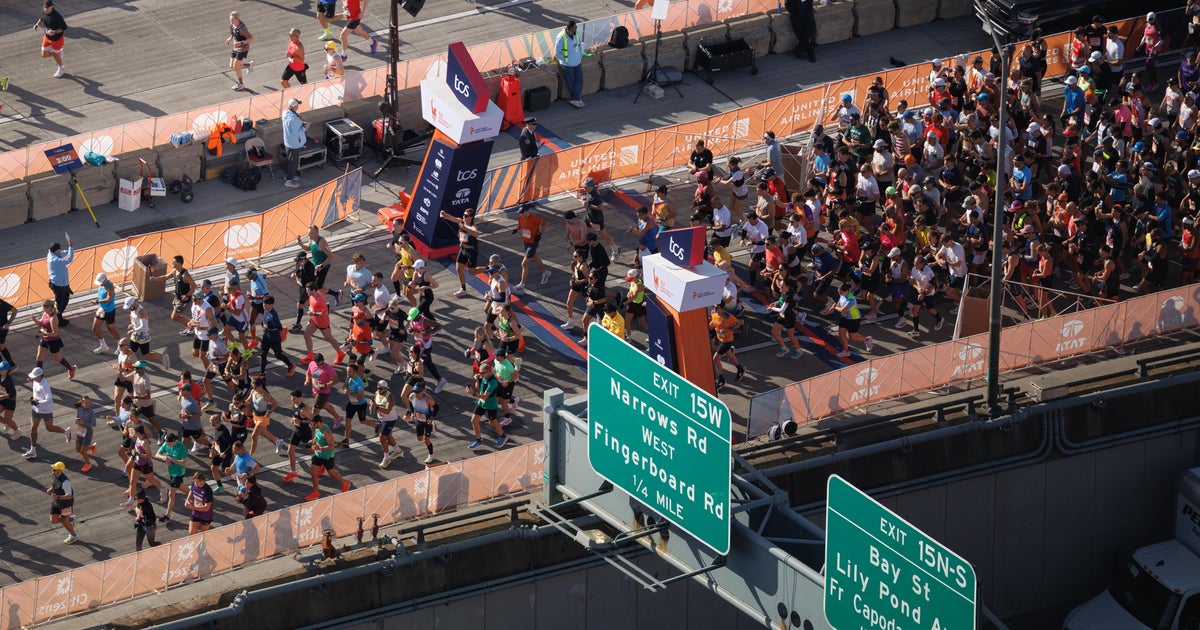
On Nov. 1, a seemingly healthy 24-year-old woman from Pennsylvania, Rachel Apa, collapsed near the end of the New York City Marathon.
asserted
woman → collapse → Marathon
She died later that day despite treatment, and her father told the New York Times that her death was linked to rhabdomyolysis, a condition in which damaged muscle tissue releases substances into the bloodstream that can injure the kidneys and sometimes the heart.
asserted
that → die → kidneys
The city’s medical examiner was still investigating the cause.
asserted
examiner → investigate → cause
Rhabdomyolysis is a process where the muscle cells break down and die, says Dr. Douglas Farrell, a nephrologist at Mount Sinai Hospital in New York City.
asserted
Farrell → break → City
“By doing so, they release their contents, which can be quite toxic to the body and to the kidney.”
asserted
which → do → kidney
A variety of triggers can cause this effect: injuries where part of the body is crushed and drug side effects can contribute to rhabdomyolysis, which manifests with symptoms such as muscle pain and dark urine.
asserted
which → cause → pain
Dehydration can worsen the condition.
asserted
Dehydration → worsen → condition
When exercise is the trigger, the condition is called exercise-induced rhabdomyolysis.
asserted
condition → call → ?
Farrell’s hospital is close to the finish line of the New York City Marathon, and he says he has seen a substantial number of cases over the years.
asserted
he → say → years
In April, he and colleagues published a paper looking into a worrying trend: 24 people who ran in the 2022 New York City Marathon had rhabdomyolysis treated at nearby hospitals, while only 15 people in the previous five years combined sought help there for the condition after the race.
asserted
people → publish → race
"I was a nephrologist on call during this time, and I saw a lot of patients.
asserted
I → see → patients
And I said, 'Man, this feels way more than what I remember,'" he says.
asserted
he → say → what
What risk factors make rhabdomyolysis more likely?
asserted
rhabdomyolysis → make → ?
Temperature is a big one, says Farrell.
asserted
Farrell → say → ?
When you exercise, your body needs to shed heat fast.
asserted
body → need → heat
When it’s hot and humid, the body might not be able to cool down quickly enough to avoid the muscle damage that could lead to rhabdomyolysis.
uncertain
that → ’ → rhabdomyolysis
Slow temperature changes the body can handle: “If you are going to go somewhere that's hotter or more humid than what you're used to, your body needs about a week or two actually to acclimate,” he says.
asserted
he → handle → week
He and his colleagues suspect this contributed to the large number of cases in 2022, which was the hottest and most humid year since the marathon moved to November in 1986.
asserted
marathon → suspect → 1986
Among the years he studied, “2022 was also the only marathon in which it was much hotter the day of the marathon than the previous two weeks,” he says.
asserted
he → study → weeks
However, most people who run marathons, no matter the temperature, don’t get this condition.
asserted
who → run → condition
“It is difficult to predict who will develop exercise-induced rhabdomyolysis before a race,” says Dr. Marie Vangstad of Oslo University Hospital in Norway, who has studied the condition.
asserted
who → predict → condition
Even well-trained athletes can develop rhabdomyolysis under extreme physical exertion.
asserted
athletes → train → exertion
Some individuals also have underlying genetic conditions that increase their susceptibility, but many cases occur in people without any known predisposition.
asserted
cases → have → predisposition
”
Is it usually life-threatening?
asserted
it → threaten → ?
Deaths from exercise-induced rhabdomyolysis are exceedingly rare, Vangstad and Farrell agree.
asserted
Vangstad → induce → rhabdomyolysis
None of the patients from Farrell’s paper on the 2022 marathon died.
asserted
None → die → marathon
Treatment centers on fluids and monitoring kidney function and electrolytes.
asserted
Treatment → center → function
When heatstroke accompanies the condition, doctors try to rapidly cool the body down, often with ice baths.
asserted
doctors → accompany → baths
In more extreme cases, dialysis is used to manage kidney failure.
asserted
dialysis → use → failure
Rhabdomyolysis is diagnosed using symptoms, the circumstances under which a person developed them, and blood tests for markers of muscle breakdown.
asserted
person → diagnose → breakdown
However, blood markers alone do not establish the cause of death; those could be elevated in someone who died during exercise, but for other reasons than rhabdomyolysis alone.
uncertain
who → establish → rhabdomyolysis
Two major studies from the last couple of years found no deaths in more than 300 exercise-induced rhabdomyolysis cases.
asserted
studies → find → cases
“Overall, exercise-induced rhabdomyolysis generally has a very good prognosis, and serious complications are rare,” Vangstad says.
asserted
Vangstad → induce → prognosis
 The Aporia