Energy Secretary Chris Wright said Wednesday the Trump administration plans to steer clear of an outright ban on diesel exports and is opting for a voluntary cap, instead, as prices soar during wars abroad.
asserted
prices → say → wars
He rejected a Politico report stating Trump aides were preparing a 90-day prohibition that could be announced within days.
uncertain
that → reject → days
“We’re trying to avoid a blunt hammer of a government policy, understanding the complexity of refining,” Wright told the Wall Street Journal at a Wednesday event on the sidelines of the United Nations General Assembly.
asserted
Wright → try → Assembly
The energy secretary said the US still needs to help supply the global diesel market while finding a way to change the trajectory of prices at home.
asserted
US → say → home
The planned restrictions would be voluntary, though Wright offered few details about how they would work.
asserted
they → plan → details
Politico reported Wednesday that the White House is nevertheless preparing an outright ban on diesel exports, citing five people familiar with the discussions.
asserted
House → report → discussions
The legal process for such a ban was still being worked out, according to the report, which said President Trump was leaning to announcing the move by the end of the week despite opposition from some administration officials and oil-industry executives.
uncertain
Trump → work → officials
The White House denied the report, with an official telling Politico: “This is another fake news news story from Politico.”
asserted
This → deny → Politico
The outlet reported that Wright, Treasury Secretary Scott Bessent and Interior Secretary Doug Burgum have all voiced internal objections to a total ban.
asserted
Wright → report → ban
Wright also made calls to energy CEOs Tuesday night telling them a 90-day ban was likely in the coming days, according to a Trump energy adviser cited by Politico, prompting some executives to contact the White House and urge it to reconsider.
uncertain
ban → make → it
Wright warned that blocking exports could leave refiners with nowhere to put excess diesel, eventually forcing them to cut refinery runs and putting upward pressure on gasoline and jet fuel prices.
uncertain
blocking → warn → prices
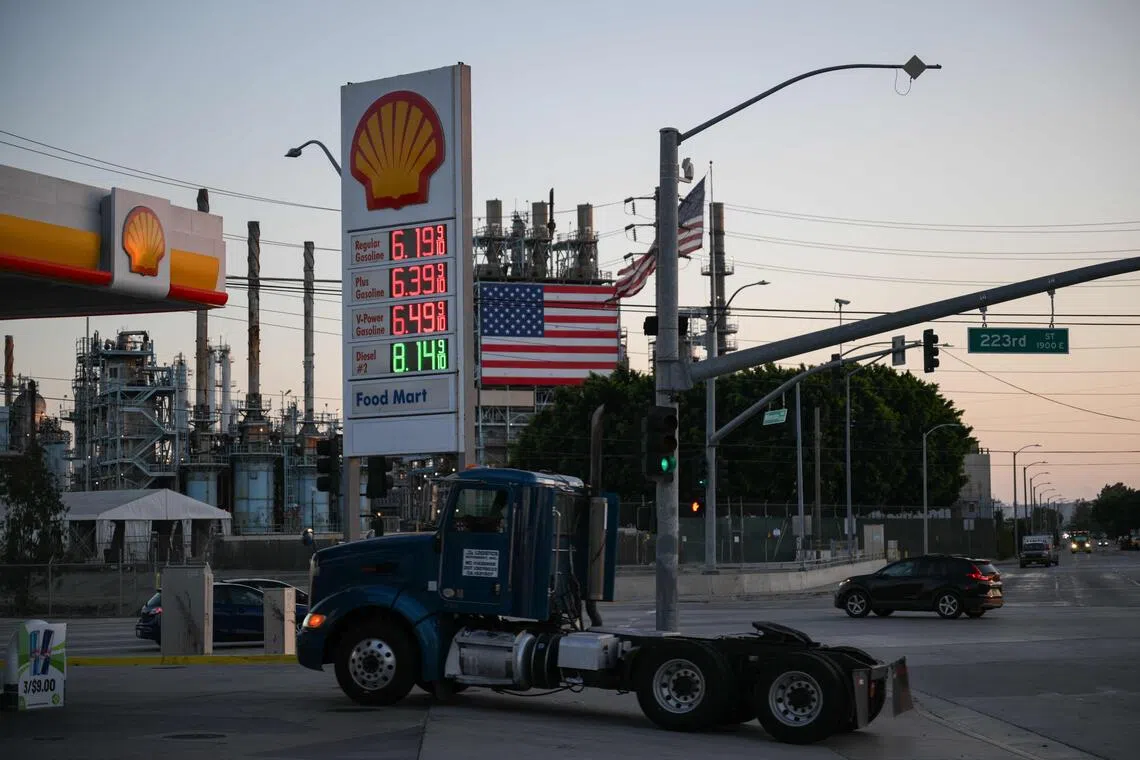
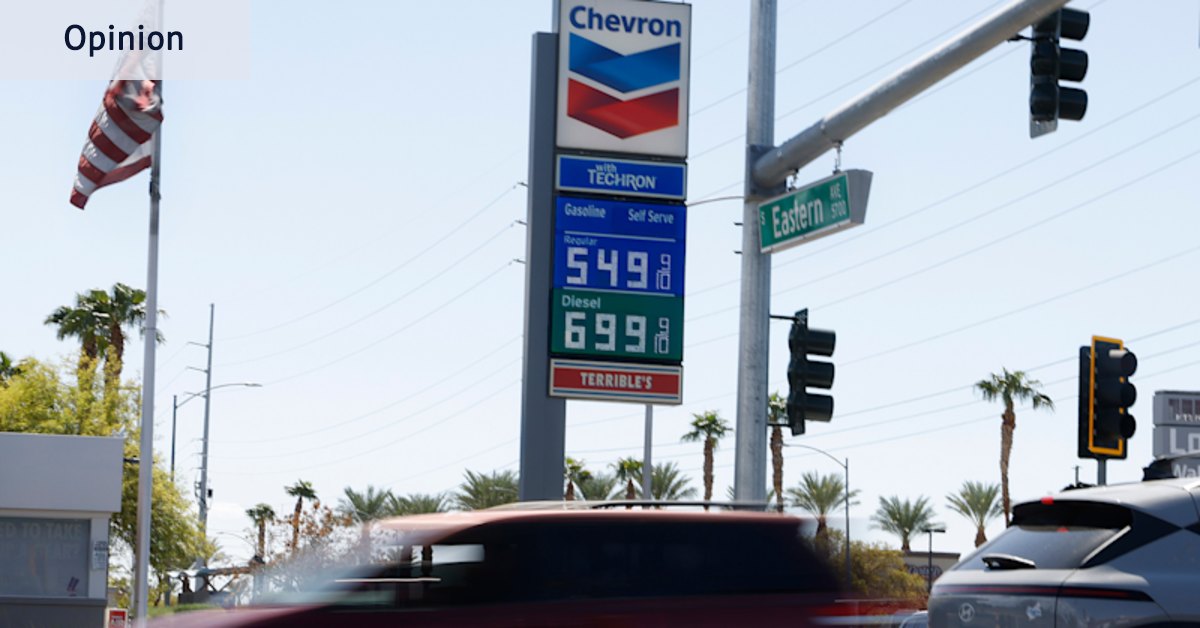
Average US diesel prices stood at $6.52 a gallon Wednesday, up 76% from a year earlier, according to AAA.
uncertain
prices → stand → AAA
The spike has hammered farmers and other heavy users of diesel as global supplies have tightened amid the conflicts in Iran and Ukraine.
asserted
supplies → hammer → Iran
Trump on Tuesday voiced support for stopping diesel exports as Republicans from farm states and competitive congressional districts pressed the administration to act on fuel costs ahead of the Nov. 3 midterm elections.
“I’ve said, let’s not send out the diesel,” he told reporters Tuesday.
asserted
he → voice → reporters
Bessent said at the time that officials were studying whether a full or partial restriction would be feasible.
asserted
restriction → say → time
The prospect of a blanket ban has alarmed the oil industry, which argues that Gulf Coast refiners depend on foreign markets to absorb surplus diesel that cannot easily be redirected to other parts of the country.
asserted
that → alarm → country
Some industry executives and Republican lawmakers were still lobbying Trump against the proposal Wednesday, Politico reported, amid concerns that any short-term drop in diesel prices could eventually give way to higher prices for gasoline, jet fuel and other petroleum products.
uncertain
drop → lobby → gasoline
A full ban could force US refiners to slash crude processing by about 1.9 million barrels a day — about 12% of total refinery throughput — as available storage becomes constrained, according to an analysis by S&P Global Energy CERA.
uncertain
storage → force → CERA
Such cuts could knock as much as 750,000 barrels a day off US gasoline production and turn the country into a net gasoline importer during the fourth quarter, the analysis found.
uncertain
analysis → knock → quarter
That risk stems from the economics of refining: plants produce diesel alongside gasoline, jet fuel and other products.
asserted
plants → stem → gasoline
If refiners cut overall runs because they can no longer sell surplus diesel abroad, production of the other fuels would fall, too.
asserted
production → cut → fuels
The American Fuel & Petrochemical Manufacturers has opposed a full export ban on similar grounds, arguing that restricting exports would ultimately reduce domestic fuel production rather than boost supplies for US consumers.
asserted
restricting → oppose → consumers
The Journal reported that some industry lobbyists have also raised questions about whether discussions among refiners over voluntary export limits could create antitrust concerns.
uncertain
discussions → report → concerns
 The Aporia