The narrative surrounding the Russia-Ukraine war shifted dramatically from the start of the summer to the end.
asserted
narrative → surround → end
In early summer, for the first time since Ukraine’s ill-fated invasion of Russia’s Kursk province in 2024, Western capitals and media claimed that Ukraine was winning, with the boldest predicting outright victory.
asserted
boldest → fat → victory
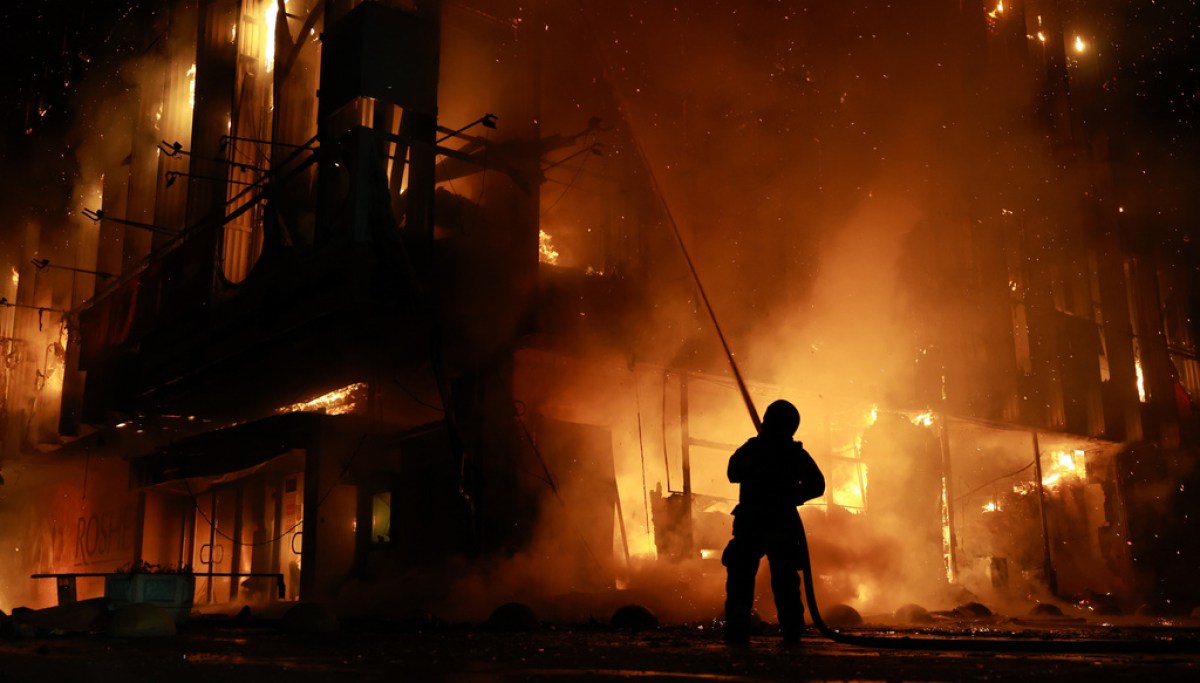
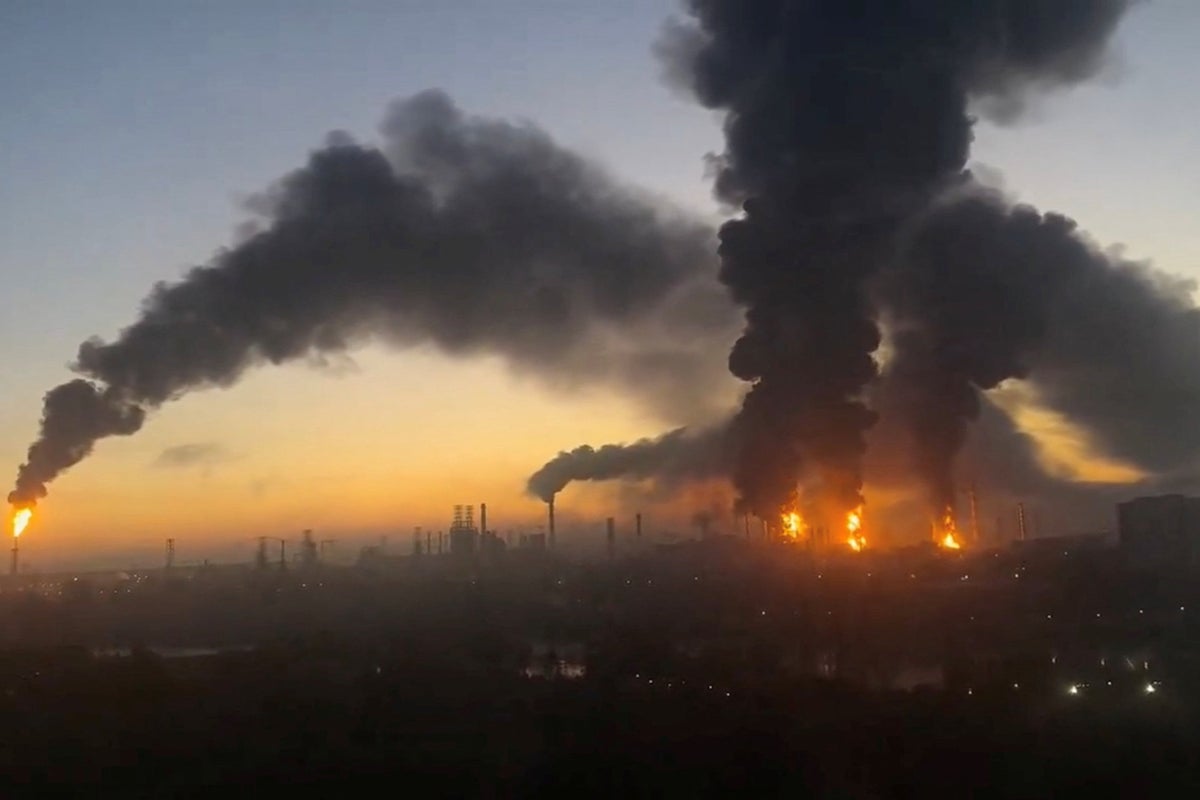
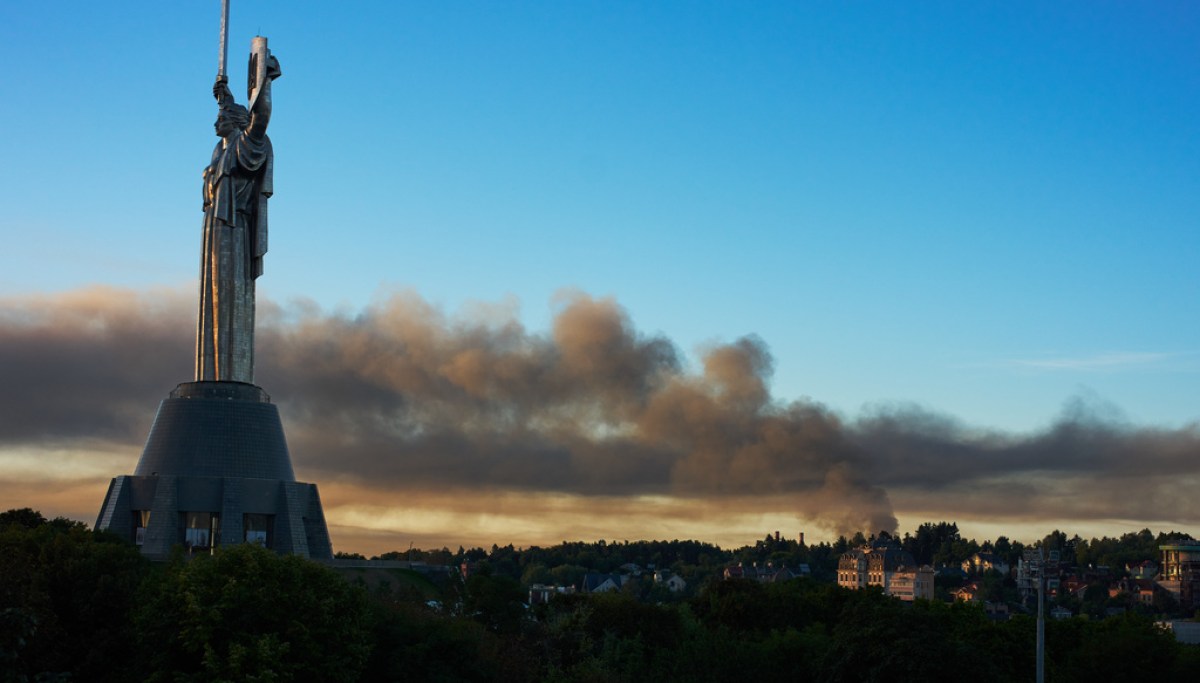
Lines at Russian gas stations, crippled refineries, and images of burning oil depots blackening the sky lent credence to the narrative, as did blackouts and fuel shortages in Crimea.
asserted
blackouts → cripple → Crimea
Three months later, the picture was flipped.
asserted
picture → flip → ?
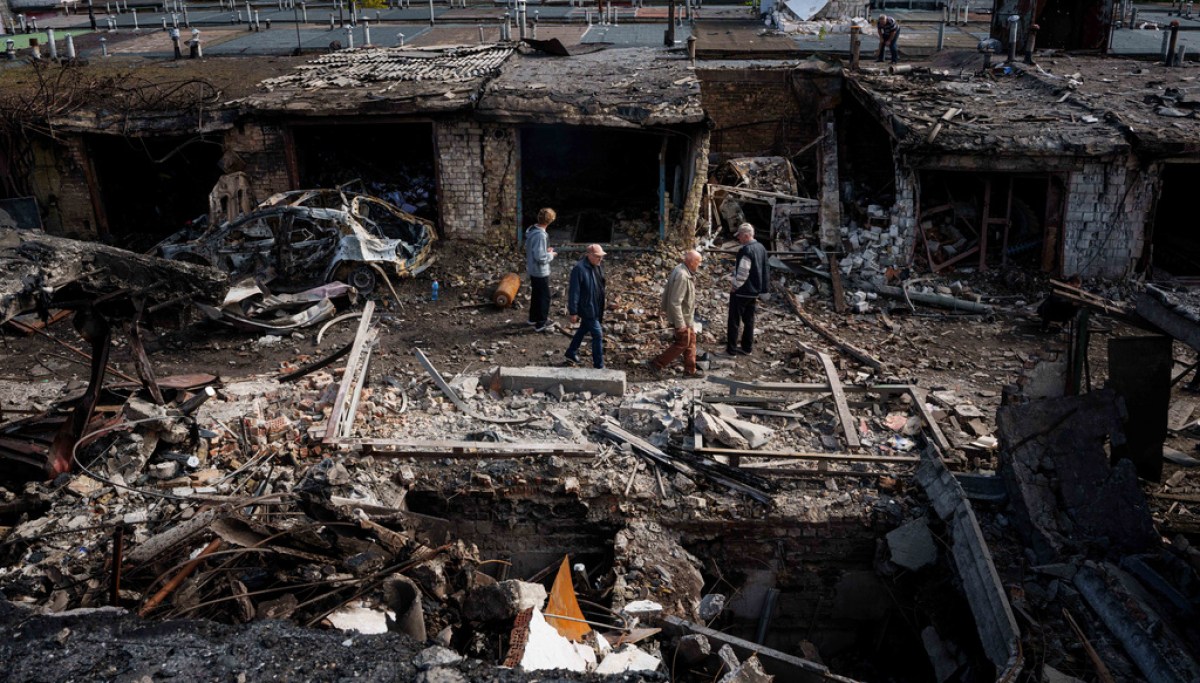
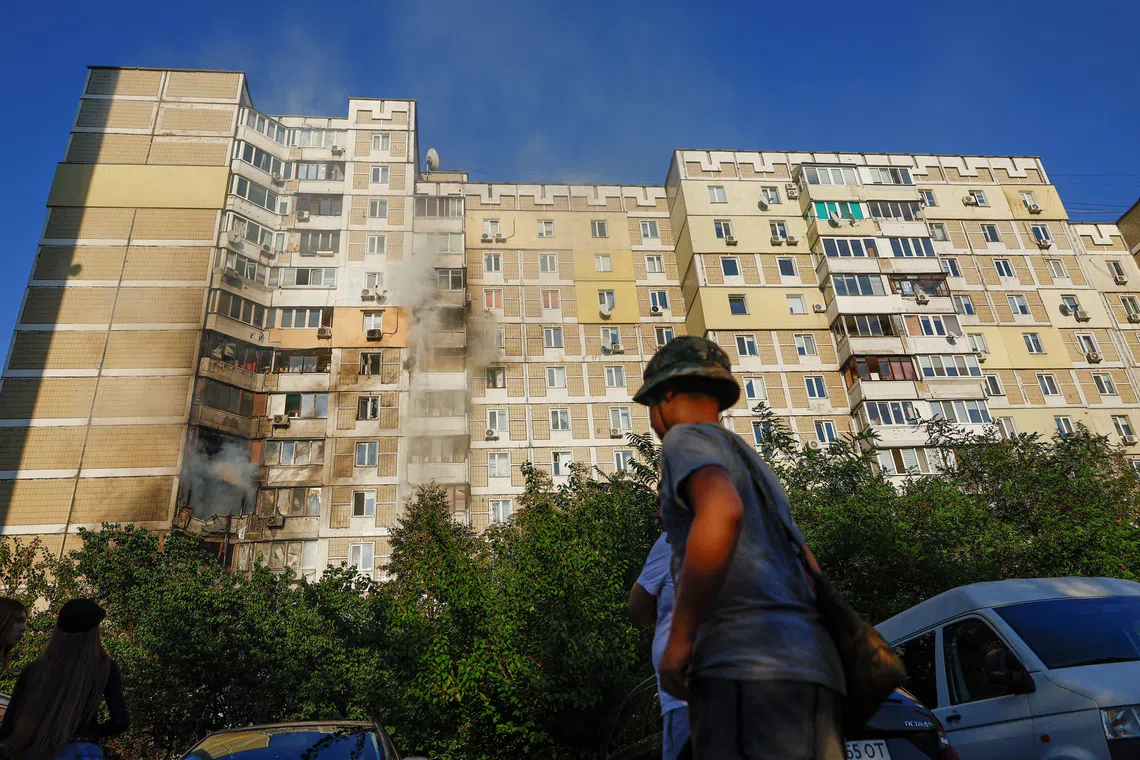
Russia pounds Ukrainian cities with missiles and drones almost at will, while Ukrainian drones almost never get past Moscow’s air defenses.
asserted
drones → pound → defenses
Odesa has been battered into a de facto blockade while logistical targets across the country lay in ruins, wreaking havoc on Ukraine’s economy.
asserted
targets → batter → economy
Along with Ukrainian miscalculations, the reversal came from three main causes: a Western interceptor shortage worsened by the war with Iran, a surge in Russian missile and drone production, and the rapid adaptation of Russia’s own air defenses.
asserted
reversal → come → defenses
Russia’s ballistic onslaught and Ukraine’s interceptor shortage
Western air defense systems let Ukraine hold off Russia’s increasing drone and missile onslaught for years.
asserted
Ukraine → let → years
But Russia’s increasing production of missiles ate through interceptor stocks, while the U.S. war with Iran reportedly drained the U.S.’s Patriot inventory by over two-thirds.
uncertain
war → increase → thirds
As late as March, Ukraine reported a 70% ballistic interception rate.
asserted
Ukraine → report → rate
By July, it was 20% on average, the Economist reported.
asserted
Economist → report → July
July 6 marked the first day that Ukraine failed to intercept any ballistic missiles — a milestone that has become a regular occurrence.
asserted
that → mark → missiles
On Aug. 18, the Economist, one of Ukraine’s primary cheerleaders since the beginning of the invasion, said that the air war was “turning into a turkey-shoot.”
asserted
war → say → shoot
The key change occurred in April, when Moscow halted production of its issue-prone Kinzhal and Kh-32 missiles to redirect their propellant and components toward more effective ballistic missiles, Maj. Gen. Vadym Skibitsky, deputy head of Ukraine’s military intelligence, told RBC-Ukraine.
asserted
Skibitsky → occur → Ukraine
By July, factories were beating monthly targets for key missiles by 10% to 20%.
asserted
factories → beat → 20
Russian ballistic launches climbed from 61 in April to 107 in May, 134 in June, and 174 in July, according to a Kyiv Independent tally.
uncertain
launches → climb → tally
“Russia has a much higher production capacity and makes everything themselves, whereas Ukraine relies heavily on foreign aid and has a much smaller capacity,” AMK Mapping, a New Zealand open-source analyst whose air war research has been used by Western militaries and the U.S. Embassy in Kyiv, told the Washington Examiner.
asserted
research → have → Examiner
Much of the surge came from the RM-48U, a surface-to-air missile converted for ground attack and fired on a ballistic trajectory.
asserted
Much → come → trajectory
Less accurate and powerful than Russia’s other ballistic missiles but far cheaper, it made up for over half of the ballistic and hypersonic missiles fired at Ukraine in July and early August, Reuters reported.
asserted
Reuters → make → July
RUSI analyst Sidharth Kaushal said that Russia was using the cheaper missiles to drain Ukraine’s last interceptors while saving its Iskanders and other premium missiles for winter.
asserted
Russia → say → winter
Russia’s drone revolution continues
asserted
revolution → continue → ?
Early in the war, Iran supplied Russia with the design for its Shahed 136 drone, which was soon mass-produced under the new name Geran-2.
asserted
which → supply → name
Slow but cheap, the drones could overwhelm Ukrainian air defenses through sheer numbers.
uncertain
drones → overwhelm → numbers
Then, Ukraine’s cheap interceptor drones began downing the slow, propeller-driven Gerans.
asserted
drones → begin → Gerans
Russia went back to the drawing board, settling on investments in speed.
asserted
Russia → go → speed
After its first jet-powered model, the Geran-3, proved too fragile, Russian engineers redesigned the airframe entirely for the Geran-4 and Geran-5, according to a report from the Center for Strategic and International Studies.
uncertain
engineers → power → Studies
The new models fly nearly three times as fast as the Geran-2, too fast for most interceptor drones.
asserted
models → fly → drones
Russia began mass production in May, producing around 500 units per month.
uncertain
Russia → begin → month
By August, it had reached 3,000 per month.
asserted
it → reach → month
It took nearly three years to have a comparable increase in Geran-2 drone production.
asserted
It → take → production
In August, the jet models overtook the Geran-2 in production, and Russia halted the Geran-3.
asserted
Russia → overtake → Geran-3
Russian drones increasingly carry mesh-network radios that relay signals to each other and ground-based transmitters, letting operators control them in real time.
asserted
operators → carry → time
Once limited largely to fixed targets, Russia now hunts moving ones, above all trains.
asserted
Russia → limit → trains
Of roughly 500 Ukrainian locomotives damaged or destroyed during the war, 60% were hit in the past eight months, Politico reported on Sept. 17, and it now loses an estimated 37 to 40 a month.
asserted
it → damage → 40
Ukraine had about 1,600 before the invasion.
asserted
Ukraine → have → invasion
Then there is the S8000 Banderol, a jet-powered cruise missile that Ukrainian analysts describe as a “hybrid of a drone, an aerial bomb, and a missile.”
asserted
analysts → be → drone
Estimated to cost between $50,000 and $300,000, it carries a heavier warhead than any Geran and can be launched from drones, planes, helicopters, and, as of recently, from ground launching sites.
asserted
it → estimate → sites
Its use surged over the summer, and Ukrainian intelligence estimates Russia builds about 80 a month, with producers targeting 250 a month.
asserted
producers → surge → 250
The Banderol would play a central role in shutting down Greater Odessa’s ports in July.
asserted
Banderol → play → July
As Ukraine’s interceptor stocks ran critically low, Russia no longer needed massive swarms to saturate defenses.
asserted
Russia → run → defenses
…and 28 more, not listed.
 The Aporia