Photo via Washington Examiner

The ‘climate lawfare’ Pandora’s box is about to blow up your energy bills

Read the original at Washington Examiner ↗
Cite

Christian, W. (2026, October 1). The ‘climate lawfare’ Pandora’s box is about to blow up your energy bills. Washington Examiner. https://www.washingtonexaminer.com/op-eds/4749108/suncor-v-boulder-county-supreme-court-climate-lawsuits/

Dated when The Aporia collected the article, usually within hours of publication. Check the original for its exact date and byline.

Washington Examiner · collected 2026-10-01 · by Wayne Christian

Quick Summary

The Supreme Court will hear a case on October 5 regarding whether local governments can sue energy companies for climate-related damages caused by fossil fuel production and emissions. Boulder County and the City of Boulder are suing Exxon Mobil and Suncor Energy for alleged harms related to their activities, while critics argue this would unfairly hold companies accountable for providing lawful products essential to modern life and could harm small businesses in the industry, leading to job losses and increased energy costs.
Written by AI on 2026-10-02, from this article's own text only (the story summary below draws on all the coverage).

AI analysis

Story summary

On October 5, the Supreme Court will hear Suncor Energy Inc. v. County Commissioners of Boulder County, a case that could determine if state and local governments can sue energy companies to recover costs attributed to fossil fuel production and carbon dioxide emissions. Despite billions in taxpayer funds allocated for renewable energy transition, wind and solar have not fully replaced traditional thermal sources like oil, gas, and coal. Boulder County and the City of Boulder are seeking damages from Exxon Mobil Corporation and Suncor entities for alleged climate-related harms caused by their fossil fuel production and promotion. This case could significantly impact how energy companies operate and potentially lead to higher costs for consumers if governments gain new legal grounds to sue these corporations over environmental impacts.

Written for “Climate Litigation Energy Costs” on 2026-11-05, grounded in this article and the 0 other(s) covering the same event.

Story

📰 Climate Litigation Energy Costs
Politics · 1 article(s) covering the same event.

Compared with similar articles

This article reads leans strongly right and hedges 3% of its claims. Each row says how that neighbour differs.
Toronto Star
Hedges 4 of 33 claims Outlet record 64/100
“Article A discusses broader issues related to energy and climate lawfare, while Article B reports on a specific Supreme Court case involving a Colorado wildfire.”
Washington Examiner
Hedges 2 of 33 claims Outlet record 69/100
“While both articles discuss the upcoming Supreme Court case Suncor Energy v. Boulder County, they do not describe the same specific occurrence (the case itself is an ongoing process with different phases).”
New York Post
⚖️ Leans left further left than this Hedges 13 of 36 claims Outlet record 66/100
“The articles describe different events: one discusses a broader context of energy reliance on fossil fuels, while the other focuses on an urgent warning about power grid stress due to a heatwave in California.”
Washington Examiner
Hedges 9 of 22 claims Outlet record 69/100
“The articles discuss related issues but describe different aspects; Article A discusses the broader impact of climate policies on energy bills, while Article B focuses on an upcoming Supreme Court hearing in a specific case involving Boulder County.”
Washington Examiner
⚖️ Leans left further left than this Hedges 12 of 56 claims Outlet record 69/100
“Article A discusses the upcoming arguments in a specific case (Suncor Energy v. County Commissioners of Boulder County) to be heard by the Supreme Court, while Article B provides a broader commentary on the role of fossil fuels and does not specifically mention this particular case.”
The Straits Times
⚖️ Leans left further left than this Hedges 6 of 19 claims Outlet record 66/100
“Article A discusses the broader impact of energy policy and dependency on fossil fuels, while Article B specifically reports on a Supreme Court hearing regarding climate lawsuits against oil companies.”
NBC News
⚖️ Leans left further left than this Hedges 7 of 33 claims Outlet record 78/100
“While both articles refer to a Supreme Court case involving energy companies and climate change lawsuits, they do not describe the exact same specific event or incident. Article A is more of an editorial piece setting up expectations for future legal actions, while Article B reports on the actual beginning of the new term with a specific case being heard.”
Los Angeles Times
Hedges 19 of 57 claims Outlet record 95/100
“Article A discusses the reliance on fossil fuels, while Article B focuses on the Supreme Court case regarding whether oil companies can be forced to pay for climate damage. Although related, they describe different specific events.”
CBS News
⚖️ Leans left further left than this Hedges 13 of 57 claims Outlet record 65/100
“The articles discuss related topics but do not describe the same specific court hearing or incident. Article A implies an upcoming Supreme Court event, while Article B reports on a case about to be heard by the Supreme Court in its new term.”
Los Angeles Times
Hedges 10 of 25 claims Outlet record 95/100
“Article A discusses a broader perspective on energy reliance, while Article B reports on a specific Supreme Court hearing regarding climate change suits against oil producers.”
How this article was measured signals, leaning charts, publisher record, byline, topics and claims

Signals How these are calculated →

Claims extracted
29
sentences that state something as happening or true
Uncertain
3%
1 of 29 hedged ("reportedly", "may", "according to")
Leaning
Leans strongly right
of the writing, not the subject · beta estimate
Publisher signals
69/100
Washington Examiner's corrections and hedging, across everything collected from it. Not a measure of accuracy.
Outlets on this story
1
Politics
Same framing elsewhere
1
articles that frame the event the way this one does
Analyzed 2026-10-01 · how these are computed

How this is being covered How these are calculated →

Article leaning vs. publisher reliability
Source leaning vs. consistency

Publisher

Washington Examiner · 4249 article(s) · 8 correction(s) detected
Running correction rate · 8 correction(s)

Who wrote this

Wayne Christian
1 article(s) here · 1 carrying a prediction
🔮 On Oct. 5, the Supreme Court will hear Suncor Energy Inc. v. County Commissioners of Boulder County, a case that will determine whether state and local governments can sue energy companies to recover costs they attribute to the broader effects of fossil fuel production and carbon dioxide emissions on their communities.
The only article under this byline in the corpus.

Topics

American Americans Boulder Boulder County the Supreme Court

Subjects

the Supreme Court ORG · 4× American NORP · 3× America GPE · 2× Americans NORP · 2× Boulder GPE · 2× Boulder County GPE · 2× County Commissioners of ORG · 1× Suncor Energy Inc. ORG · 1× Supreme Court ORG · 1× the City of Boulder GPE · 1×

Narrative

On Oct. 5, the Supreme Court will hear Suncor Energy Inc. v. County Commissioners of Boulder County, a case that will determine whether state and local governments can sue energy companies to recover costs they attribute to the broader effects of fossil fuel production and carbon dioxide emissions on their communities.
framing: assertive · carried by 1 article(s) · first seen 2026-10-01
🔮 On Oct. 5, the Supreme Court will hear Suncor Energy Inc. v. County Commissioners of Boulder County, a case that will determine whether state and local governments can sue energy companies to recover costs they attribute to the broader effects of fossil fuel production and carbon dioxide emissions on their communities.
2026-10-01 · Washington Examiner
The ‘climate lawfare’ Pandora’s box is about to blow up your energy bills · assertive framing

Claims (29 extracted, 1 hedged)

Despite billions of taxpayer dollars directed toward forcing a transition to intermittent renewables, wind and solar have not replaced reliable thermal energy. asserted
wind → direct → energy
Instead, they have only added to an increasingly energy-hungry economy that still depends on oil, natural gas, and coal to keep America moving. asserted
that → add → America
Whether they realize it or not, every American still relies on fossil fuels and the companies that produce, transport, and deliver them. asserted
that → realize → them
Simply put, fossil fuels and the companies that produce them remain integral to the energy industry that powers American life. asserted
that → put → life
That’s why an upcoming Supreme Court ruling deserves close attention. asserted
ruling → ’ → attention
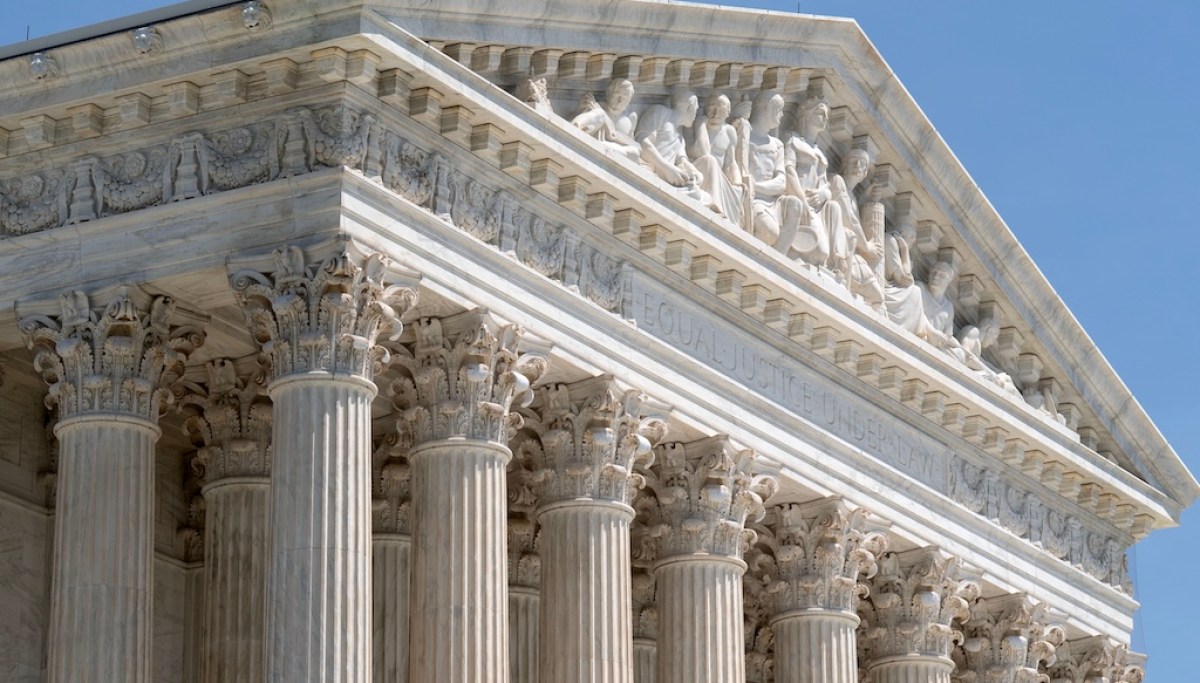
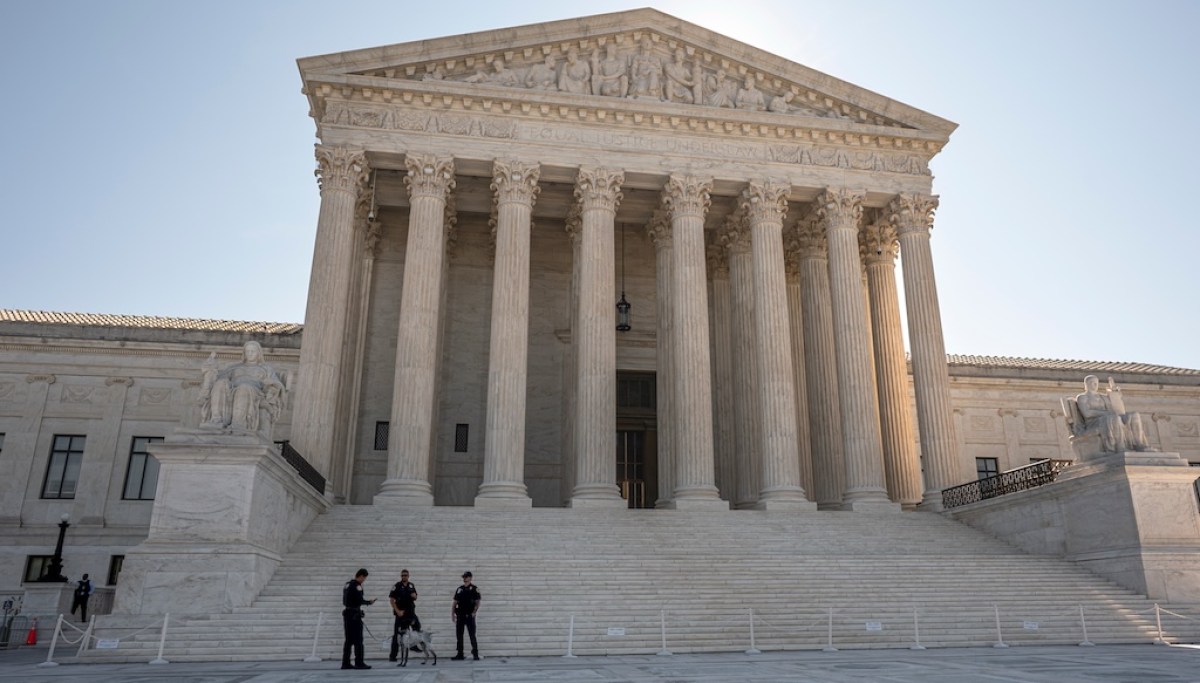
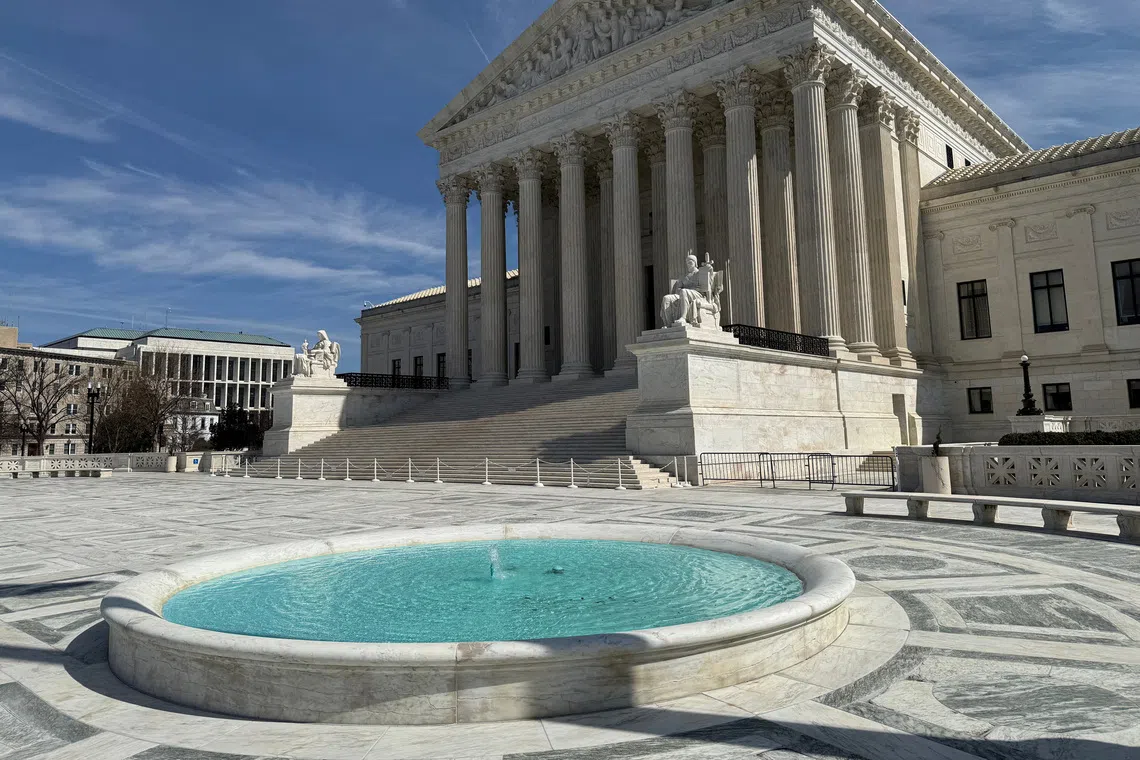
On Oct. 5, the Supreme Court will hear Suncor Energy Inc. v. County Commissioners of Boulder County, a case that will determine whether state and local governments can sue energy companies to recover costs they attribute to the broader effects of fossil fuel production and carbon dioxide emissions on their communities. asserted
they → hear → communities
Boulder County and the City of Boulder, Colorado, are seeking damages and other relief in state court from Exxon Mobil Corporation and Suncor entities for alleged climate-related harms they attribute to the companies’ production, promotion, refining, marketing, and sale of fossil fuels. asserted
they → seek → fuels
Let’s get one thing straight. asserted
thing → let → ?
Energy companies simply exist to provide the energy that Americans and people around the globe continue to consume. asserted
Americans → exist → globe
So, a fundamental difference exists between liability for wrongful conduct and liability for providing a lawful product that benefits all of humanity. asserted
that → exist → humanity
A ruling for Boulder would not only be inappropriate, but it also would represent a remarkable expansion of local legal authority. asserted
it → represent → authority
Fossil fuel production often crosses state and international borders. asserted
production → cross → borders
Crude oil and natural gas are transported by tankers, trucks, and pipelines across several jurisdictions to power homes, businesses, and industries hundreds of miles from their point of origin. asserted
oil → transport → origin
Holding energy companies that lawfully produce energy financially accountable for the broader global impacts associated with fossil fuel use would fundamentally alter the legal landscape of an industry critical to our economy and national security. asserted
that → hold → economy
This decision would harm more than the major players mentioned in this case. asserted
decision → harm → case
If Boulder wins, you can comfortably bet that every left-leaning court in the nation will seek similar reparations for perceived impacts all at once. asserted
court → win → impacts
Contrary to popular perception, most fossil fuel producers are small businesses that lack the financial resources to withstand millions of dollars in litigation costs or damages. asserted
that → lack → costs
The financial burden of these lawsuits could force producers out of business, threaten domestic energy production, eliminate thousands of American jobs, drive up energy costs, and inflict lasting economic damage. uncertain
burden → force → damage
With Americans already seeing price shocks at the pump, the last thing our nation and the world needs is domestic fossil fuel production funneled into a death spiral in the name of climate catastrophism. asserted
nation → see → catastrophism
That is what this case boils down to. asserted
case → boil → what
It is an attempt to use the courts to impose broadly calculated costs and consequences on an industry that remains essential to modern life and the global economy. asserted
that → use → life
The Supreme Court must reject this blatant effort to use courts to accelerate an energy transition that has proven far more difficult and costly than its advocates anticipated. asserted
advocates → reject → transition
Energy companies simply cannot be held financially accountable for broad, flimsy assessments of local climate damage attributed to carbon emissions tied to a product the world still demands and relies on. asserted
world → hold → product
With global conflicts already pressuring energy affordability, the answer must be increased energy production and security, not less. asserted
answer → pressure → affordability
The Supreme Court must rule to protect America’s energy security and affordability and keep Pandora’s box closed. asserted
Court → rule → box
Wayne Christian is a statewide-elected Texas Railroad Commissioner serving his second six-year term. asserted
Christian → elect → term
He was first elected to the commission in 2016 after serving seven terms in the Texas House of Representatives. asserted
He → elect → Representatives
Before entering public service, he worked in banking, real estate, and financial services. asserted
he → enter → banking
As a railroad commissioner, he oversees regulation of Texas’s oil and gas industry and advocates nationally for reliable American energy production, energy security, and affordability. asserted
he → oversee → production

💬Give feedback · no sign-in needed

No sign-in needed for now. Your note is sent without a name, so it cannot be answered.

🕘History 🎫Support