The Aporia
McMillan, I. (2026, October 2). Melbourne’s wettest day in two years traps drivers, with more rain to come. The Sydney Morning Herald. https://www.smh.com.au/national/victoria/melbourne-s-wettest-day-in-two-years-traps-drivers-with-more-rain-to-come-20261002-p6128u.html?ref=rss&utm_medium=rss&utm_source=rss_feed
McMillan, Isabel. “Melbourne’s wettest day in two years traps drivers, with more rain to come.” The Sydney Morning Herald, 2 Oct. 2026, https://www.smh.com.au/national/victoria/melbourne-s-wettest-day-in-two-years-traps-drivers-with-more-rain-to-come-20261002-p6128u.html?ref=rss&utm_medium=rss&utm_source=rss_feed.
McMillan, Isabel. “Melbourne’s wettest day in two years traps drivers, with more rain to come.” The Sydney Morning Herald, October 2, 2026. https://www.smh.com.au/national/victoria/melbourne-s-wettest-day-in-two-years-traps-drivers-with-more-rain-to-come-20261002-p6128u.html?ref=rss&utm_medium=rss&utm_source=rss_feed.
Dated when The Aporia collected the article, usually within hours of publication. Check the original for its exact date and byline.
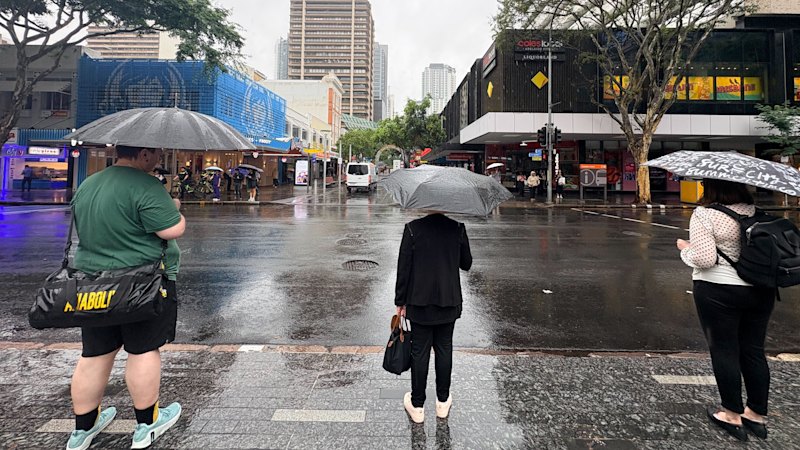
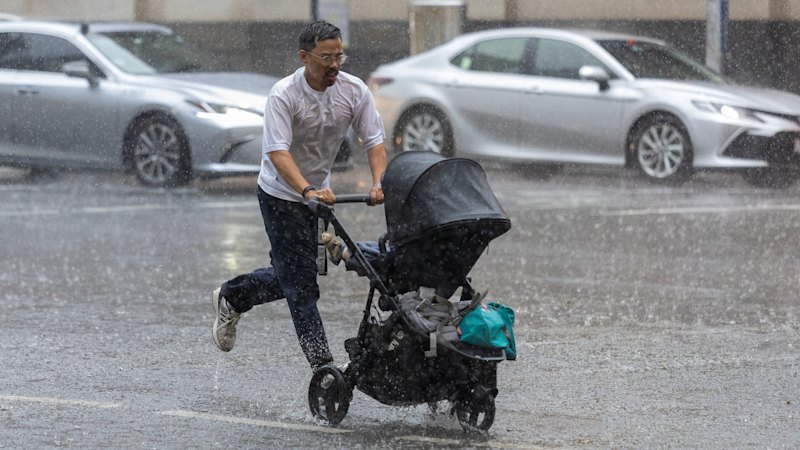
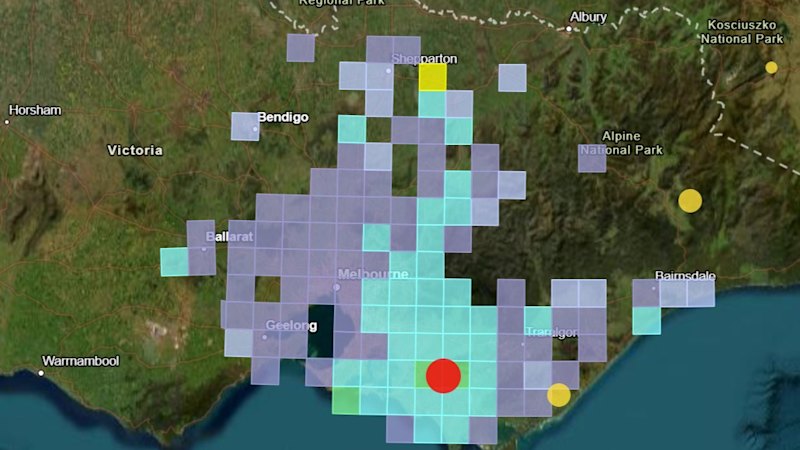
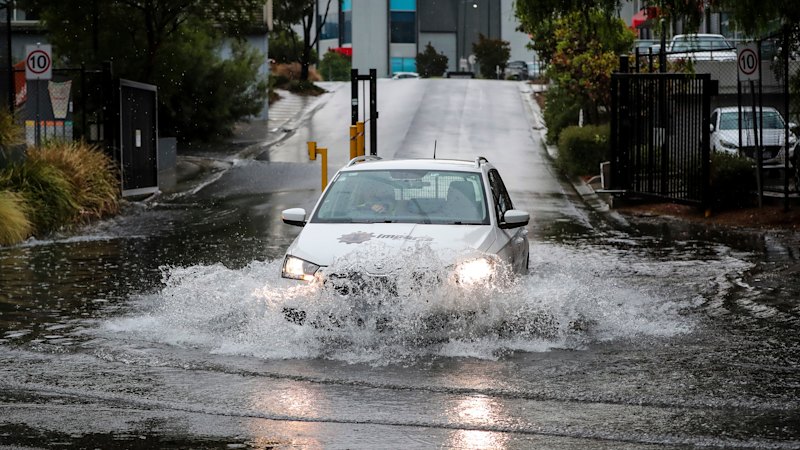
Heavy rains began hitting southeastern Australia, particularly Victoria, starting on Thursday, September 26. The Bureau of Meteorology predicted that most areas in Victoria would receive 25-50mm of rain over several days, with some regions like Gippsland and the Otway Ranges expecting up to 150mm, equivalent to one to three months' worth of rainfall. Melbourne experienced its wettest day since April 2024, recording up to 50mm in a single day, causing flash flooding and trapping vehicles under bridges. The rain was part of a weather event following the second-driest September on record for many areas, with Melbourne receiving only 18mm last month but seeing 20mm fall within an hour on Thursday afternoon. Conditions are expected to worsen over the weekend, potentially leading to more flooding and severe thunderstorms in Gippsland and northeastern parts of Victoria, prompting warnings from emergency services not to drive through floodwaters.