When I moved to Rio de Janeiro to work as a foreign correspondent in the early 1990s, most of my friends, then in their 20s and 30s, were upset that a burly metalworker who campaigned for president on a radical Marxist platform that included income redistribution, defaulting on the country’s debt — nearly $115 billion in 1989 — and blaming the country’s severe economic crisis on outside forces, had lost the country’s first direct democratic presidential election in 1989.
asserted
that → move → 1989
After nearly 30 years of dictatorship and four years under the military’s puppet ruler José Sarney, my upper middle class friends were keen to vote in Luiz Inácio Lula da Silva, who hailed from the country’s impoverished Northeast and had no real plans to stem hyperinflation that rose to about 2,500% a year when I lived there.
asserted
I → vote → %
(The joke going around Rio at that time was that hyperinflation meant it was cheaper to take a taxi rather than a bus, because you only paid for the taxi at the end of your journey, and the bus required payment at the beginning.
asserted
bus → go → beginning
Still, I could understand Lula’s appeal among my friends.
uncertain
I → understand → friends
Many of them had family who had suffered repression under Brazil’s brutal military regimes between 1964 and 1985.
asserted
who → have → 1964
Despite his popularity among young voters, Lula lost in 1989, and again in 1994 and in 1998.
asserted
Lula → lose → 1998
His win finally came in 2002, and he served two terms until 2011, winning a third term in 2022 despite his conviction in the country’s largest corruption scandal.
asserted
he → come → scandal
In 2018, he was convicted of taking bribes from engineering firms in return for public contracts and spent a year and a half behind bars, until the Supreme Court ruled that he could appeal his case.
uncertain
he → convict → case
Lula and members of his party called the investigation a political smear campaign against them.
asserted
Lula → call → them
Even then, some of my Brazilian friends were quick to defend him.
asserted
some → defend → him
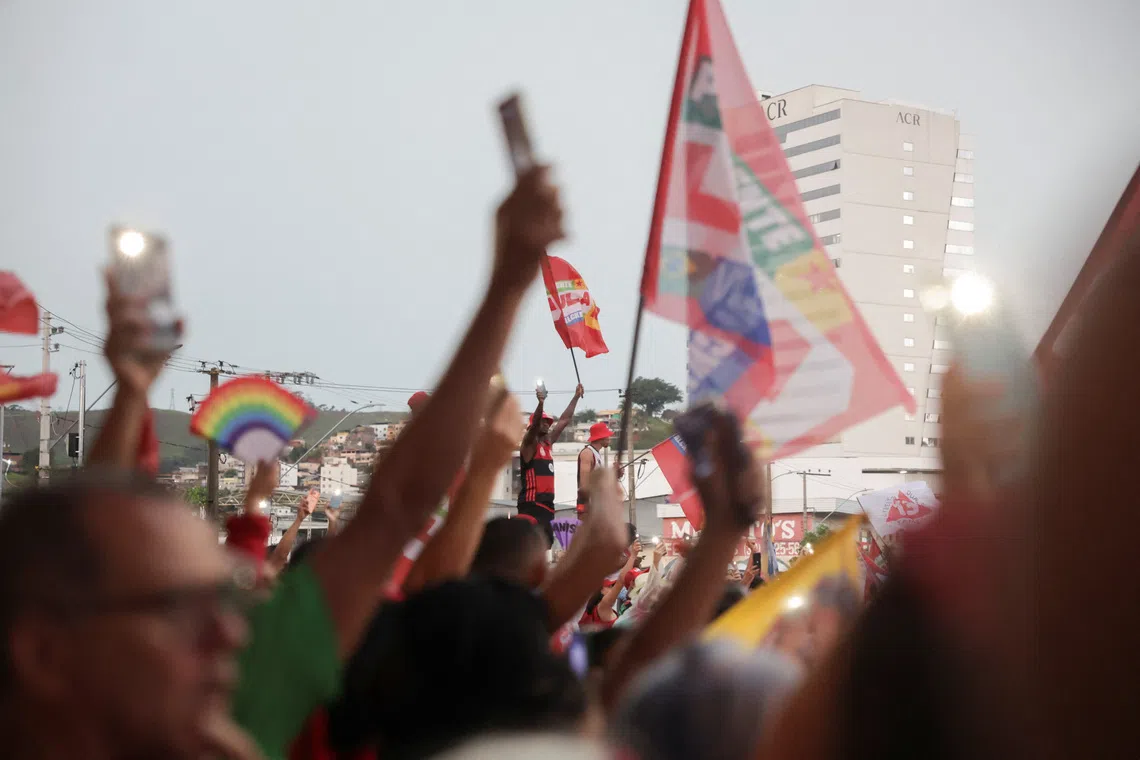
But now on Sunday, as nearly 159 million Brazilians head to the polls, many of those friends have had enough of Lula, now 80, and vying for his fourth term in office.
asserted
many → head → office
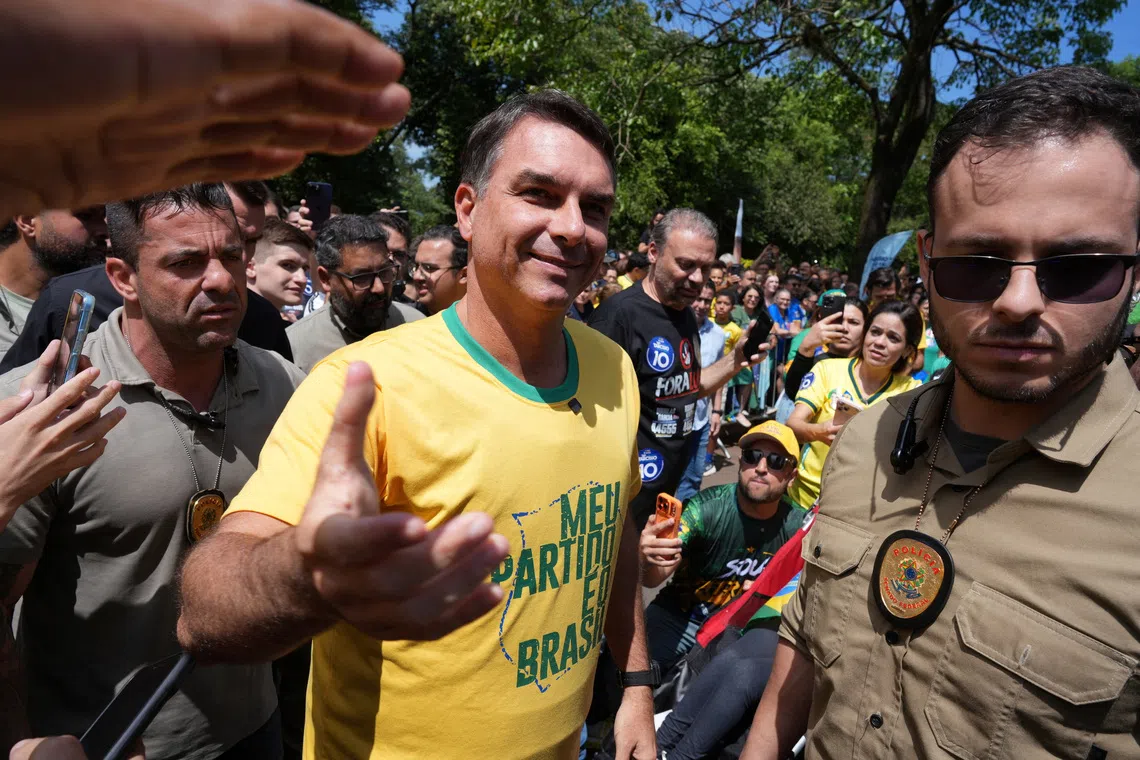
“Brazil under 20 years of Workers’ Party rule has become a Nicaragua,” said a Rio-based psychologist, who told The Post she is voting for his closest rival, Flávio Bolsonaro, a right-wing federal senator and the eldest son of former president Jair Bolsonaro, who is serving a 27-year term under house arrest for an attempted coup after he lost the 2022 election.
asserted
he → become → election
Flávio himself is currently under criminal investigation for allegedly taking millions in cash from a disgraced banker in order to finance a film to redeem his father’s image.
uncertain
Flávio → take → image
And last week, Lula accused him of trying to remove Brazil’s patron saint — Our Lady of the Appeared Conception — if he is elected president, a rumor Flavio called “fake news.”
asserted
Flavio → accuse → Conception
“At least with Bolsonaro, he will have a serious group of economists committed to fixing the mess created by years of Lula government,” said the psychologist, adding that in some quarters things are so bad that food delivery apps are allowing diners to pay for a pizza delivery in installments on their credit card if they can’t afford the full price.
asserted
they → have → price
“There’s something very wrong with a society where this is happening,” said the psychologist.
asserted
psychologist → ’ → society
Although inflation has been tamed at just over 4% a year, affordability is still a big issue and the Workers’ Party has lost much of the youthful support that was present when Lula first ran for president in 1989.
asserted
Lula → tame → 1989
A June Quaest poll found that young people have lost confidence in the Marxist leader and many — as much as 38 percent — are now identifying themselves as right wing.
“Lula?
asserted
many → find → wing
He’s just going to turn this country into another Venezuela,” said a construction worker from Minas Gerais, who moved to Portugal to find a job.
asserted
who → go → job
Although Brazil no longer maintains ties to Nicaragua over leader Daniel Ortega’s slide into authoritarian rule, it sees itself as the leading leftist power in Latin America.
asserted
it → maintain → America
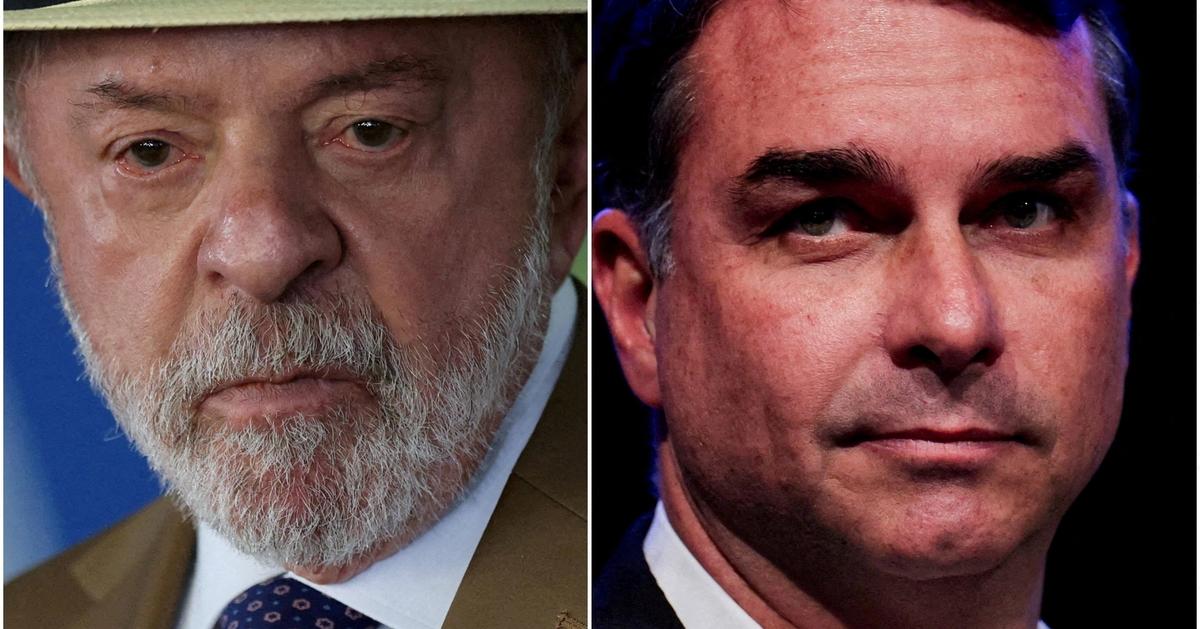
According to the most recent DataFolha poll, Lula holds a thin lead at 40% over Flávio Bolsonaro.
uncertain
Lula → accord → Bolsonaro
If no candidate wins more than 50% of valid votes in Sunday’s first round, the two front-runners will advance to a runoff on Oct. 25.
asserted
runners → win → Oct.
Desperate for another win, Lula is pulling out all the stops.
asserted
Lula → pull → stops
He convinced Bad Bunny to allow an adaptation of his hit “Lo que le pasó a Hawaii” to sing his praises on the eve of the first round of voting, and has doubled down on attacks against President Trump, blaming Brazil’s chronic economic problems on the US’s 25% tariffs imposed on Brazilian products in July.
asserted
adaptation → convince → July
“I can’t stand Lula now,” said one of my old friends in Rio, a writer, who once embraced the Marxist maverick.
asserted
who → stand → maverick
“I’m holding my nose when I get to the polls on Sunday, but I just can’t vote for Flavio.”
asserted
I → hold → Flavio
 The Aporia