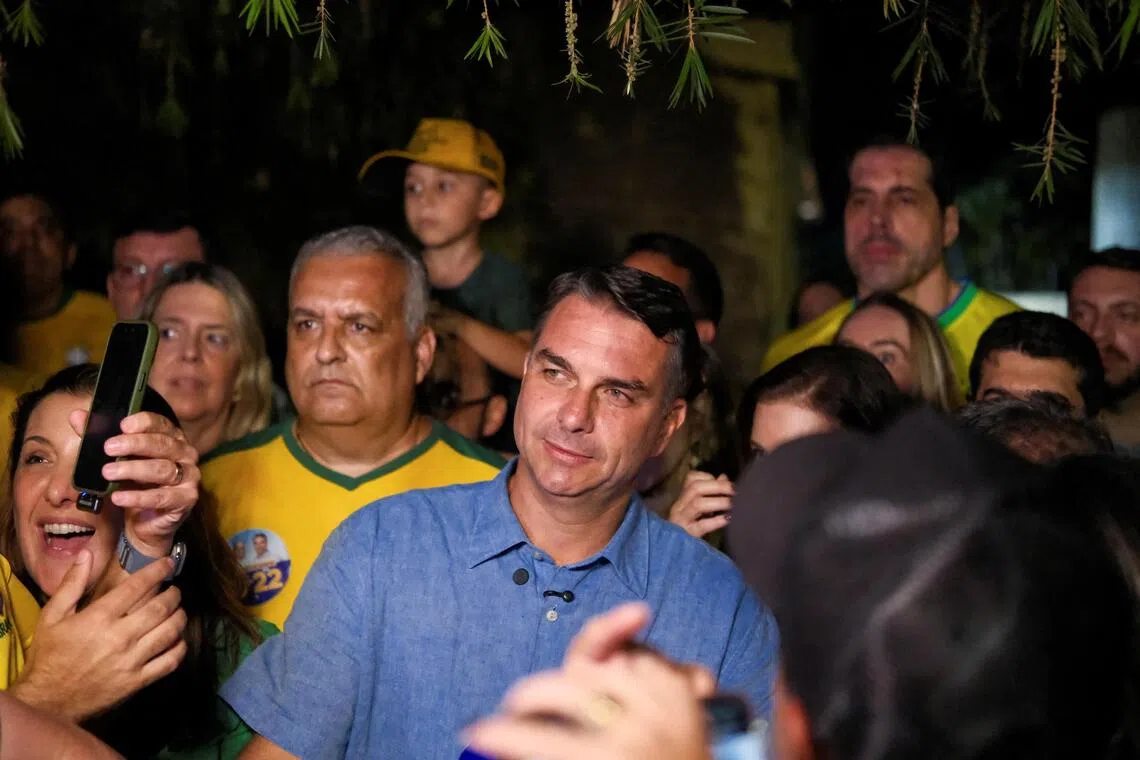
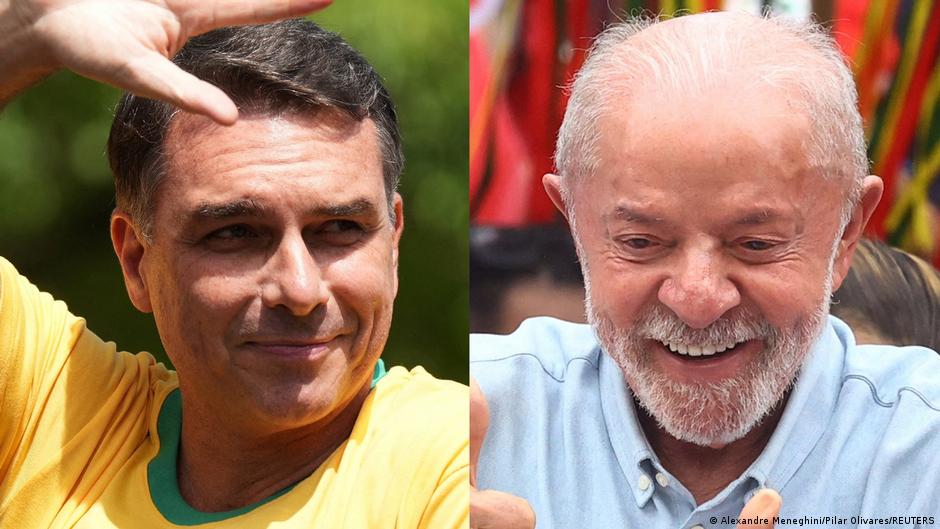
On Sunday, 4 October, 2026, Brazilians didn’t just vote against President Luiz Inácio Lula da Silva.
asserted
Brazilians → vote → Silva
They buried a political project that had been on life support for almost a decade.
asserted
that → bury → decade
It was born in the mid-1980s from the debris of a 21-year military dictatorship, and written into the country’s 1988 Constitution.
asserted
It → bear → Constitution
For a generation, Brazilians called it the democratic pact, and it rested on three commitments.
asserted
it → call → commitments
The New Republic embraced pluralism and made Brazil’s diversity part of its national identity rather than a problem to be managed.
asserted
diversity → embrace → identity
In a fragmented multiparty system, no one governs alone, so consensus was the engine of policy.
asserted
consensus → govern → policy
That consensus came from free and fair elections, but also from coalitions that let federal, state and municipal governments carry out a shared agenda, and a working balance among the president, Congress and the Supreme Court.
asserted
governments → come → president
The third was about policy: keep the economy stable, use social programs to reduce one of the world’s starkest inequalities, and widen popular participation in politics.
For roughly 30 years, the pact held well enough.
asserted
pact → keep → years
Its results were uneven, but they were real: hyperinflation tamed, tens of millions of Brazilians lifted out of poverty, and power transferred peacefully at least between the two main parties of that era, the Workers’ Party (Partido dos Trabalhadores, PT) and the Brazilian Social Democratic Party (Partido da Social Democracia Brasileira, PSDB).
asserted
power → tame → era
The first assault
Many on the left claim that the New Republic started to crumble with former left-wing President Dilma Rousseff’s impeachment in 2016.
uncertain
Republic → claim → 2016
Her removal was allegedly plotted to preserve the elitist and corrupted structures that the new pact had not fixed.
uncertain
pact → plot → that
But it was former president Jair Bolsonaro’s victory in the 2018 election that represented a frontal assault on each of Brazil’s democratic commitments.
asserted
that → represent → commitments
The now jailed politician presented himself as an outsider despite having spent 28 years in Brazil’s Congress, and put Christian nationalism in place of pluralism ahead in his agenda.
asserted
politician → jail → agenda
He recast the consensus-building system as elite corruption, and the coalition politics that had kept Brazil governable became, in his telling, the source of its rot.
asserted
that → recast → rot
He promised to fix the economy by getting the State out of the way of businesses and individuals, all in the name of freedom.
asserted
He → promise → freedom
Bolsonaro, however, delivered little.
asserted
Bolsonaro → deliver → little
Once in office, he discovered he had to govern inside the pact he had campaigned against.
asserted
he → discover → pact
Congress had to be bargained with, courts had to be obeyed, and governors had their own power bases.
asserted
governors → have → bases
Those constraints help explain why so many of his voters felt let down.
asserted
many → help → voters
It also helps explain why, after losing to Luiz Inácio Lula da Silva the 2022 election, he plotted a coup to stay in power.
asserted
he → help → power
A leader who cannot bend the rules may come to believe he has to break them.
uncertain
he → bend → them
The restoration that wasn’t
After governing Brazil for two terms between 2003 and 2010, Lula returned to power in 2023 promising to save Brazilian democracy.
asserted
Lula → govern → democracy
Instead, his third term became the clearest proof that the New Republic could not be saved.
uncertain
Republic → become → ?
The institutional balance that had sustained the system was gone.
asserted
that → sustain → system
Congress, which now controls a large share of the federal budget through earmarks, held the Presidency hostage, while the Supreme Court increasingly filled the vacuum by legislating from the bench.
asserted
Court → control → bench
Lula’s attempts to move his agenda forward stalled again and again.
asserted
attempts → move → agenda
His economic record was respectable, but not transformative: decent growth and low unemployment that never translated into a visible improvement in most people’s lives.
Public security, consistently among voters’ top concerns, went largely unaddressed.
asserted
security → translate → concerns
In fairness, under Brazil’s division of powers most policing belongs to the states, and the federal government can only do so much.
asserted
government → belong → much
But voters generally don’t care about the letter (or the spirit) of the Constitution.
asserted
voters → care → Constitution
They want results.
asserted
They → want → results
At 80 years old and four decades in public life, he had become the most recognizable face of the New Republic.
asserted
he → become → Republic
That made him a convenient target.
asserted
him → make → ?
Many Brazilians merged their frustration with the political system into frustration with Lula, and for some, into outright hatred.
asserted
Brazilians → merge → hatred
So if Lula’s defeat is confirmed in the runoff to be held 25 October, and the odds of reversing this Sunday’s first-round results are slim, it will be more than a personal loss or a setback for the Workers’ Party, which has governed Brazil for nearly 18 of the last 24 years.
asserted
which → confirm → years
It will be the swan song of a political project that promised to build a new country out of authoritarian ruins and could never fully deliver what it promised: political stability, economic prosperity and social justice.
uncertain
it → promise → stability
The frustration that decided this election is the frustration of that unmet promise.
asserted
that → decide → promise
None of this means that the 56 million Brazilians who voted for Flávio Bolsonaro, one of former president’s Jair Bolsonaro sons, reject democracy.
asserted
who → mean → democracy
Some do.
asserted
Some → do → ?
They are nostalgic for a largely imagined past, when the middle class was stronger (and much smaller), when Christian family values prevailed, and when imposing order counted for more than the rule of law.
asserted
imposing → imagine → law
Millions of Brazilians want a different kind of democracy: less pluralist, built on a different idea of what democracy is for.
asserted
democracy → want → what
…and 17 more, not listed.
 The Aporia