The mother of a Russian scientist who died in a suspected plague leak has challenged reports that her daughter was infected after breaking a test tube containing plague bacteria.
asserted
daughter → die → bacteria
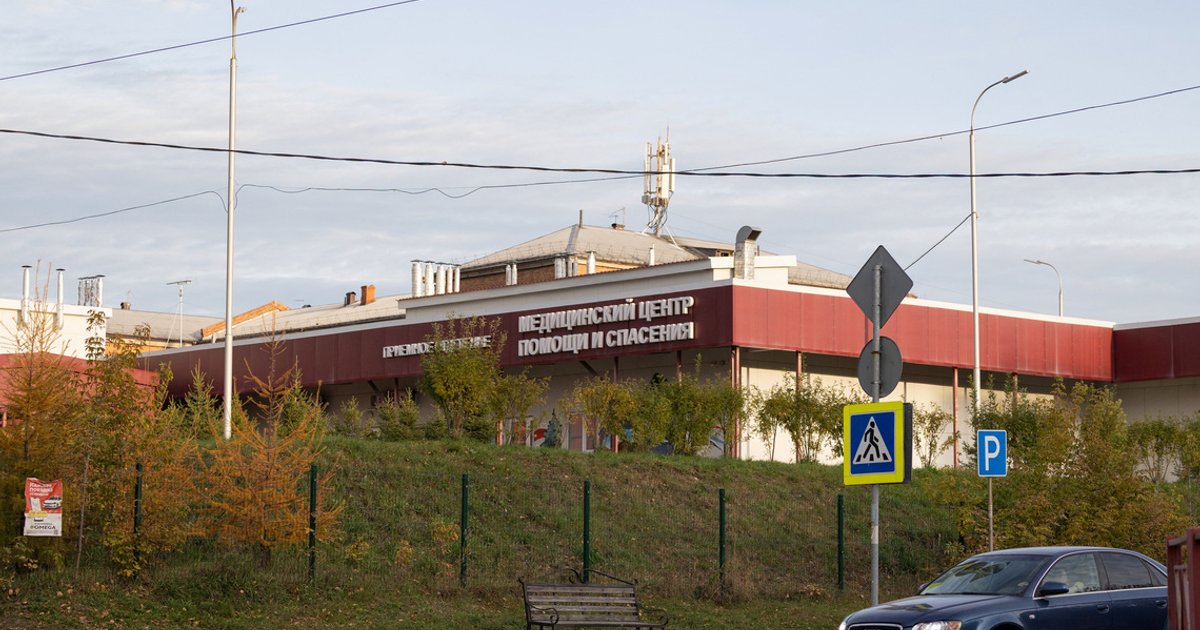
Darya Shipilova, a 28-year-old laboratory technician at the Siberian anti-plague research institute in Irkutsk, died early on October 2 after being taken to hospital in the nearby town of Shelekhov.
asserted
Shipilova → die → Shelekhov
Her death, which is still shrouded in mystery, was attributed to infection with the “plague” by local officials and pro-government media in now-deleted posts.
asserted
which → shroud → posts
The Kremlin has dismissed the claims and denied imposing anti-plague measures.
uncertain
Kremlin → dismiss → measures
On Wednesday, the World Health Organisation (WHO) demanded that Russia answer questions about reports of a second, unconfirmed case of plague in Siberia and supply more information about the death of Shipilova.
uncertain
Russia → demand → Shipilova
The researcher’s mother, Svetlana Shipilova, herself a medical professional, told the Russian outlet Glubina that she did not believe the account circulating about her daughter’s death.
asserted
she → tell → death
“I know the truth,” she said.
asserted
she → know → truth
“I’m having to fend off stupid acquaintances who believed all this – the clever ones didn’t believe it, of course.
asserted
ones → have → course
“Not even all medical professionals understand it’s impossible to break a test tube like that,” she continued.
asserted
she → understand → that
“Even if you fling it at the wall.
asserted
you → fling → wall
Only an amateur could say something like that.
uncertain
amateur → say → that
“Even hypothetically, you simply can’t spill what’s inside or break the tube – they’re that well protected.
asserted
they → spill → tube
She also told reporters: “They simply let my daughter die.”
asserted
daughter → tell → reporters
Although officials have not publicly confirmed the reports, accounts shared widely in local media suggested that the younger Shipilova had become infected with pneumonic plague after being exposed to the highly infectious pathogen in a lab mishap.
uncertain
Shipilova → confirm → mishap
Pavel Stepanov, the Irkutsk-based journalist, among others, claimed that she had “concealed what happened” after breaking a test tube containing the deadly sample.
asserted
what → base → sample
About 200 potential contacts were reportedly quarantined and restrictions were imposed on several hospitals amid fears others may have been exposed to the plague, while the research institute was locked down.
uncertain
institute → quarantine → plague
Shipilova’s friends also questioned reports that she had broken a test tube and then come into contact with others, in comments given to the local outlet People of Baikal, designated a foreign agent by the Russian government for its independent reporting.
asserted
she → question → reporting
“They have dragged her name through the mud without even finding out what happened,” said a former school friend.
asserted
friend → drag → mud
“I can’t square this story with the Dasha [Darya] I knew,” said another friend.
asserted
friend → square → Dasha
“It’s as if they are talking about somebody else.
asserted
they → ’ → somebody
Knowing how hardworking and responsible she was, it just doesn’t add up for me.”
asserted
it → know → me
“Dasha was really smart,” an acquaintance who studied in the same department told the outlet.
asserted
who → study → outlet
“Not many people from our department land jobs at the plague institute …
asserted
people → land → institute
It’s a serious facility.
asserted
It → ’ → ?
They take everything seriously and it’s safe.”
asserted
it → take → everything
Russia has come under increasing international pressure to provide transparency about the reports surrounding the lab worker’s death.
asserted
Russia → come → death
Rospotrebnadzor, the Russian health watchdog, claimed that Shipilova had died from “pneumonia of unknown aetiology”, but the head of the Buryatia region said she had died from plague and authorities from nearby cities warned residents to avoid travelling to Shelekhov.
asserted
authorities → claim → Shelekhov
Tedros Adhanom Ghebreyesus, the director-general of the WHO, said: “WHO has requested further information to clarify the cause of the severe pneumonia, the pathogen that prompted the public health measures, and media reports of a second employee with pneumonia of undetermined cause.”
asserted
that → say → cause
Russia’s health watchdog responded that it had sent information about the situation in Irkutsk to the WHO.
asserted
it → respond → WHO
Dmitry Peskov, a Kremlin spokesman, urged caution on the use of media reports as a reference for what was happening.
asserted
what → urge → reference
Earlier on Wednesday, the US formally sent a confidential diplomatic communication, known as a démarche, warning that failure to disclose information about the potential outbreak would violate Moscow’s international health obligations.
asserted
failure → send → obligations
Asked by reporters at the White House whether he had spoken with Vladimir Putin, the Russian president, about the issue, Donald Trump said: “I have a call scheduled very soon.
asserted
I → ask → call
So far, we’re in very deep discussions.
asserted
we → ’re → discussions
However, the Kremlin responded hours later by saying that no concrete plans had been made for a call between Trump and Putin, who is celebrating his 74th birthday on Wednesday.
asserted
who → respond → Wednesday
During a trip to Iceland on Tuesday, Marco Rubio called on Moscow to be “transparent” after Russian authorities denied imposing anti-plague measures to stem a suspected outbreak.
asserted
authorities → call → outbreak
“We’re watching it very closely, hour by hour,” the US secretary of state said.
asserted
secretary → watch → state
“I think it’s incumbent upon Russia to obviously share more information with the world.”
asserted
it → think → world
On Wednesday, a US state department spokesman said the request had been formalised.
asserted
request → say → Wednesday
“We have officially requested additional information from the Russian government.
asserted
We → request → government
We are also in official communication with other countries around the world to share information,” a spokesman said.
asserted
spokesman → share → information
…and 14 more, not listed.
 The Aporia