
Hungary Opens Communist-Era Files
4 outlets
Each outlet's article on this story, most articles first
4 reporters
- Lili Rutai in BudapestThe Guardian
- The Straits TimesThe Straits Times
- Nick ThorpeBBC
- Keno VerseckDeutsche Welle
By day
Articles per day
Cite
Hungary Opens Communist-Era Files. (2026, November 5). The Aporia. https://theaporia.onrender.com/event/122633
“Hungary Opens Communist-Era Files.” The Aporia, 5 Nov. 2026, https://theaporia.onrender.com/event/122633.
“Hungary Opens Communist-Era Files.” The Aporia, November 5, 2026. https://theaporia.onrender.com/event/122633.
Dated the day this page was built. The link always leads to this event, even after the stories are regrouped.
What happened
The outlets' own sentences, most widely reported first. Hover or tap one to see who reported it.
What each outlet says
One AI summary per outlet of its latest article on this story, written from that article alone and checked against it. Open the article for the outlet's own words.
Hungary's new government plans to reveal the names of tens of thousands of state informants from its communist era on November 4th, aiming to confront past secrets and rebuild public trust. The initiative involves making accessible files previously hidden in the Historical Archives of the State Security services; these documents contain details about individuals who reported on others during the 1945-1989 period…
‘Traitors in every family’: Hungary to unmask communist-era informants and confront past →Hungary has released tens of thousands of Communist-era secret police files into an online public database, marking a significant step towards addressing its totalitarian past more than 36 years after the fall of communism. Prime Minister Peter Magyar announced that approximately 60,000 names are now available in the database, with additional records to be uploaded by February 2027. The files reveal the extensive…
Hungary opens communist-era informer files in belated reckoning with Cold War past →Hungary has released secret police files from its communist era to the public, a move aimed at addressing societal traumas stemming from 45 years of communist rule. The government opened these records on November 4th, symbolizing the day Soviet forces crushed Hungary's revolution in 1956. Prime Minister Péter Magyar defended this action as fulfilling a promise made by those who ended Communist rule in 1989…
Secret police files released in Hungary, 47 years after fall of communism →Hungary’s current prime minister, Peter Magyar, has ordered the full release of the country’s secret police “agent files,” containing names of state security informants dating back to the Communist era. This decision marks an historic event following over three decades of debate and opposition from previous governments, including Hungary's first post-Communist prime minister Jozsef Antall and Viktor Orban's Fidesz…
36 years later: Hungary opens Communist-era secret service files →Analysis
Agreed
Reported by outlets on both sides of the middle
No sentence was reported across the range.
Disputed
Picked by our model, which is sometimes wrong
No disagreement the check could confirm. That does not prove there is none.
Framing
How the first headlines put it
How it changed
- 2 Nov
During his campaign leading up to Hungary’s April parliamentary elections, Péter Magyar promised to make the state-security files public, a promise he seems intent on fulfilling now he is in power.
- 4 Nov
Hungary has opened communist-era secret police files to the public, in a controversial move the government says will help Hungarian society heal itself from the traumas of 45 years of communist rule.
Coverage 4 articles
Suggested from 4 outlets (1 flagged as leaning left, 0 right): one of the fuller accounts and its publisher is declared as reporting rather than commentary. Note that this article was itself flagged as leans left — it wins on coverage, not on neutrality.
 4 Nov 36 years later: Hungary opens Communist-era secret service filesHungary’s current prime minister, Peter Magyar, has ordered the full release of the country’s secret police “agent files,” containing names of state security informants dating back to the Communist era. This decision marks an historic event following over three decades of debate and opposition from previous governments, including Hungary's first post-Communist prime minister Jozsef Antall and Viktor Orban's Fidesz…Deutsche Welle
 4 Nov Secret police files released in Hungary, 47 years after fall of communismHungary has released secret police files from its communist era to the public, a move aimed at addressing societal traumas stemming from 45 years of communist rule. The government opened these records on November 4th, symbolizing the day Soviet forces crushed Hungary's revolution in 1956. Prime Minister Péter Magyar defended this action as fulfilling a promise made by those who ended Communist rule in 1989…BBC
- 4 Nov Hungary opens communist-era informer files in belated reckoning with Cold War pastHungary has released tens of thousands of Communist-era secret police files into an online public database, marking a significant step towards addressing its totalitarian past more than 36 years after the fall of communism. Prime Minister Peter Magyar announced that approximately 60,000 names are now available in the database, with additional records to be uploaded by February 2027. The files reveal the extensive…The Straits Times
 2 Nov ‘Traitors in every family’: Hungary to unmask communist-era informants and confront pastHungary's new government plans to reveal the names of tens of thousands of state informants from its communist era on November 4th, aiming to confront past secrets and rebuild public trust. The initiative involves making accessible files previously hidden in the Historical Archives of the State Security services; these documents contain details about individuals who reported on others during the 1945-1989 period…The Guardian
Keep exploring
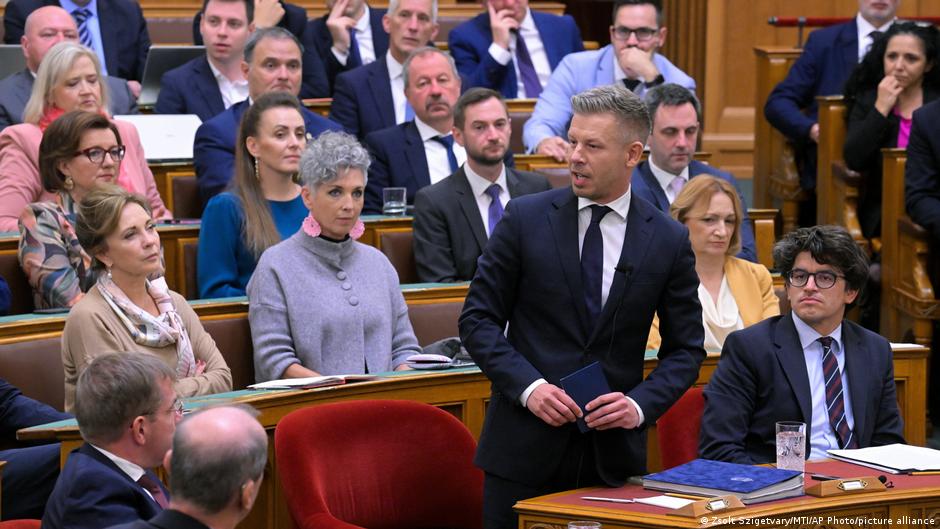 Similar coverageHungary Corruption Arrests
 Similar coverageRussian Spy Espionage Case
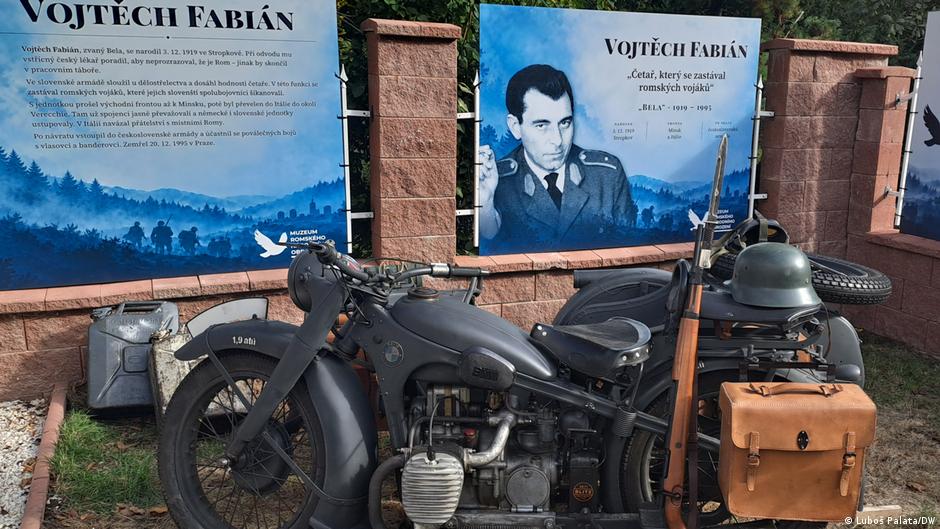 Similar coveragePrague Honors Roma Resistance Fighters
 Similar coverageRomanian Love Affair And Arrest In Russia
 RecentKing Charles Stops Short of Slavery Apology
 RecentVoters Back Abortion Rights Wins
 RecentPope Leo Welcomes Bob Dylan To Vatican
 RecentNYC Marathon Runner Dies From Rhabdo
 RecentDemocrat's Sweep Congress Midterms
 RecentJaneese Lewis George Elected DC Mayor
Built 2026-11-05 from 4 articles. Every sentence on this page is quoted from the linked article; nothing was written by a model except the Summary and the items marked AI, which cite their sources, and the questions and labels under "Disputed". Photos are from the outlets that covered the story, never from articles our check marks sensitive.