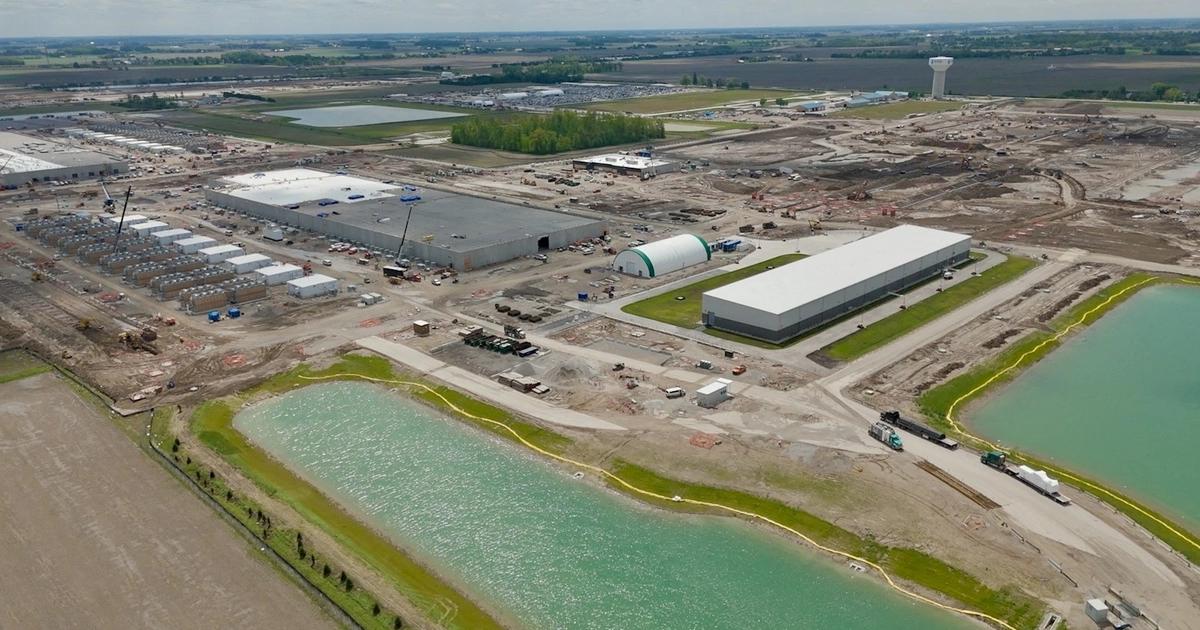
Photo via Semafor

Voters' data center rebuke hits some tech companies harder than others

Read the original at Semafor ↗
Cite

Capelouto, J. (2026, November 5). Voters' data center rebuke hits some tech companies harder than others. Semafor. https://www.semafor.com/article/11/04/2026/data-center-ballot-measures-hit-home-for-tech-giants

Dated from the outlet's own feed. Check the original for its byline.

Semafor · collected 2026-11-05 · by J.D. Capelouto

Quick Summary

Voters in several Ohio towns rejected large data center projects backed by tech giants like Meta and Amazon. In Piqua, voters approved a ban on large data centers and recalled commissioners who supported Meta’s project, while similar bans passed in Trenton and Ashville. Nationwide, over 40% of planned US data center capacity is now subject to restrictions due to gubernatorial actions or ballot measures. This shift led to significant stock price drops for companies directly involved in building data centers, with Modine and Sterling Infrastructure seeing declines of about 21%. Meanwhile, stocks of hyperscaler tech giants like Meta rose as investors bet on increased value for their existing compute capacity under stricter regulations.
Written by AI on 2026-11-05, from this article's own text only (the story summary below draws on all the coverage).
See how they differ ↓

AI analysis

Story summary

In the 2026 US midterm elections, voters across nine states overwhelmingly rejected data center projects, passing moratoriums and outright bans in more than 30 localities. Despite initial concerns and predictions that data centers would play a significant role in shaping election outcomes, the actual election results showed that most voters, including many self-identified Republicans, opposed having new data centers in their communities. This rejection of data centers benefited Democratic candidates, who campaigned against the rapid expansion of AI and data centers, highlighting concerns over job loss, surveillance, and economic impacts. Key Democratic victories in states like Ohio and Texas suggest that issues related to AI and data centers may become a central theme in future American politics, reflecting a growing anti-AI populism.

Written for “Data center backlash in midterms” on 2026-11-21, grounded in this article and the 34 other(s) covering the same event.

How they differ

17 outlets covered “Data center backlash in midterms”.

What each outlet says

One AI summary per outlet of its latest article on this story, written from that article alone and checked against it. Open the article for the outlet's own words.

SemaforThis outlet5 Nov

Voters in several Ohio towns rejected large data center projects backed by tech giants like Meta and Amazon. In Piqua, voters approved a ban on large data centers and recalled commissioners who supported Meta’s project, while similar bans passed in Trenton and Ashville. Nationwide, over 40% of planned US data center capacity is now subject to restrictions due to gubernatorial actions or ballot measures. This shift…

Voters' data center rebuke hits some tech companies harder than others (this article)3 articles from Semafor on this story
CBS News6 Nov

Exit polls from the 2026 elections indicate that AI played a significant role for over half of the voters, although data centers were not the most critical issue. The polls showed majorities in all states opposed having new data centers built locally, benefiting Democratic candidates who campaigned against them. However, even many self-identified Republicans were resistant to data center construction despite voting…

Exit polls show data centers weren't winners in 2026 elections →7 articles from CBS News on this story
The Straits Times4 Nov

In the recent US midterm elections, voters in numerous towns across the country overwhelmingly rejected proposals related to data center developments. Notably, Harwood, North Dakota, was the sole exception where residents voted against a measure designed to limit such industrial projects. Around 430 out of about 800 residents cast their ballots, with approximately three-quarters opposing the initiative aimed at…

US midterms: Only one town out of dozens in US voted in favour of data centres →3 articles from The Straits Times on this story
South China Morning Post6 Nov

Forecasters are warning that the Democratic victory in the midterm elections may lead to regulatory changes that could stall up to 30% of planned artificial intelligence data centers in the United States. This potential clampdown includes project freezes proposed in Texas and increased federal oversight, which would significantly impact Big Tech's infrastructure spending plans.

Does the Democratic midterm victory spell the end of US AI data centre boom? →3 articles from South China Morning Post on this story
Washington Examiner5 Nov

Newly elected Democratic governors in several states are threatening to slow down or impose restrictions on data center development. In Texas, Governor-elect Gina Hinojosa plans to impose a moratorium until the state imposes regulatory guardrails, including requirements for hiring union workers and protecting water resources. Similarly, Georgia’s Governor-elect Keisha Lance Bottoms said she will sign an executive…

Daily on Energy: Newly elected Democratic governors threaten data center development →3 articles from Washington Examiner on this story
The Guardian9 Nov

Garrison Lovely argues that opposition to artificial intelligence (AI) is becoming a significant political force in America. The Democratic Party's success in the midterms was partly due to voter rejection of AI datacenters, with over 30 localities across nine states passing restrictions or moratoriums on such facilities. Voters cited AI as crucial in their decisions at a rate of 23%, and Democrats won these voters…

Anti-AI populism is the future of American politics | Garrison Lovely →3 articles from The Guardian on this story
Show 10 more outlets
404 Media4 Nov

In last night’s midterm elections across America, voters overwhelmingly rejected proposals related to AI data centers, with 38 out of over 40 ballot measures against them in 13 states. Six cities imposed outright bans while twelve others limited the power draw for such facilities. Candidates who supported data centers faced significant losses; notably, Texas Governor Gregg Abbott lost his bid for a fourth term as…

American Voters Overwhelmingly Reject AI Data Centers →2 articles from 404 Media on this story
Reason4 Nov

In the 2026 midterms, data centers became an unexpectedly significant political issue despite initial skepticism. Exit polls showed that AI data centers were crucial or a major factor for many voters, with most ballot initiatives proposing bans or restrictions on them passing overwhelmingly. Although some argued data center issues did not sway votes as strongly as expected based on pre-election polls, the results…

It Was a Data Center Election After All →2 articles from Reason on this story
New York Post2 Nov

The article reports that despite initial media hype about data centers becoming a significant political issue in US midterm elections, voter polls show it ranks among the least important concerns for Americans in key states like Texas and Ohio. Only around 3% of voters in Texas and 2% in Ohio named data centers as their top concern, according to recent CNN polls. Politicians who previously pushed regulations on data…

Data-center fury is a campaign dud →
Time4 Nov

In the 2026 midterm elections on November 3rd, a significant backlash against AI and data center expansion by voters resulted in major defeats for candidates backed by pro-AI industry groups. Democrats spent over $100 million on ads targeting Republicans’ ties to Big Tech, winning key races such as Ohio’s Senate election. Data center bans passed in multiple counties, and mayors supporting these projects were…

How AI Backlash Shaped the 2026 Midterms →
ABC News (AU)5 Nov

Voters in ten US states rejected data centre proposals in recent midterm elections, with about 41 measures overwhelmingly failing. Democrat Gina Hinojosa's victory in Texas, where she campaigned against data centre construction, further underscores the political toxicity of these projects. Political ads heavily criticized data centres, and exit polls showed that three-quarters of voters oppose such constructions in…

US rejection of data centres is a warning for Australia — and maybe leverage →
Mother Jones5 Nov

Voters across ten states rejected data center projects in nearly 40 towns during recent midterms, with only one measure passing in Harwood, North Dakota. Nationally, 77 percent of voters voted against data center development, largely driven by concerns over environmental justice and rising utility costs. In places like Joliet, Illinois, where communities have long fought industrial pollution, nearly 80 percent…

Midterm Rout for Data Centers: Voters in Nearly 40 Towns Rejected Projects →
The Intercept5 Nov

Midterm elections saw a significant victory for candidates and ballot measures restricting or halting data center development across several states. Newly elected Democratic governors in Georgia, Ohio, and Texas have promised moratoriums on new construction, echoing sentiments from local communities that overwhelmingly approved ballot initiatives against these facilities. Public policy experts attribute this trend…

Blue Tsunami’s Clearest Takeaway: People Hate Data Centers →
The Dispatch6 Nov

The article reports that despite expectations of significant influence, the AI industry faced numerous setbacks during the 2026 midterm elections. A deep-pocketed super PAC supported by Silicon Valley leaders aimed to shape election outcomes but encountered various problems instead. The piece highlights how efforts by corporate AI interests did not achieve their intended impact, reflecting a series of missteps and…

The Midterms’ Other Big Loser: AI →
ABC News (US)6 Nov

In the recent U.S. midterm elections, opposition to data centers emerged as a significant issue in hundreds of millions of dollars' worth of TV ads and campaign promises. Democrats who won governorships in several key states pledged stricter regulation on these energy-intensive facilities. For instance, Clayton Tucker in Texas attributed his victory partly to his stance against data center development due to…

Data centers took a beating in the midterm elections →
BBC6 Nov

A recent US midterms voter poll suggests that data centers were a significant issue for many voters, with 56% saying they were crucial or major factors in their vote and 76% opposing new constructions locally. The poll highlights growing public opposition to the expansion of artificial intelligence infrastructure, particularly among those who voted Democrat. Although other issues like government corruption and cost…

Did a data centre revolt affect the US mid-term election results? →

Compared with similar articles

This article reads leans right and hedges 22% of its claims. Each row says how that neighbour differs.
CBS News
Leans left further left than this Hedges 6 of 27 claims Outlet record 66/100
CBS News
Leans left further left than this Hedges 0 of 1 claims Outlet record 66/100
“Article A describes specific local election outcomes in Ohio and mentions a broader trend of anti-data center sentiment across the U.S., while Article B focuses on the impact of data center development on midterm election results without specifying these particular events.”
Washington Examiner
Leans left further left than this Hedges 0 of 3 claims Outlet record 67/100
“The articles discuss different aspects of public sentiment towards data centers over time, with Article A focusing on local ballot measures in Ohio, while Article B covers broader election outcomes for gubernatorial races.”
Washington Examiner
Leans left further left than this Hedges 5 of 66 claims Outlet record 67/100
“Article A describes local voter referendums in Ohio against data centers, while Article B discusses newly elected governors' policies that may affect data center development.”
ABC News (US)
Leans left further left than this Hedges 10 of 51 claims Outlet record 66/100
“While both articles discuss widespread opposition to data centers in midterm elections, Article A focuses on specific local ballot measures and outcomes in Ohio, while Article B covers a broader national trend with mentions of Pennsylvania.”
Semafor
Leans right Hedges 2 of 14 claims Outlet record 64/100
“While both articles discuss voter sentiment towards data centers, they describe different aspects of a broader trend rather than a single specific incident.”
Reason
Leans left further left than this Hedges 1 of 23 claims Outlet record 67/100
“While both articles discuss voter sentiment against data centers during elections, they describe different aspects of the overall trend: Article A focuses on the shift in public opinion and its potential impact on election outcomes, while Article B details specific ballot measures and results in Ohio.”
CBS News
Hedges 0 of 1 claims Outlet record 66/100
“Article A describes specific ballot measures and recalls in Piqua, Trenton, and Ashville, while Article B is a broader summary of voter measures to restrict data centers across the country.”
CBS News
Hedges 0 of 2 claims Outlet record 66/100
“While both articles discuss a trend of anti-data center measures passing across multiple locations, they do not describe the exact same set of ballot measures or the same specific incident.”
Toronto Star
Leans left further left than this Hedges 10 of 48 claims Outlet record 64/100
“The articles discuss a broader trend of anti-data center sentiment and ballot measures across multiple locations, rather than focusing on one specific incident or vote.”

Story

Data center backlash in midterms
Politics · 35 article(s) covering the same event. See how they differ ↑
How this article was measured signals, leaning charts, publisher record, byline, topics and claims

Signals How these are calculated →

Claims extracted
18
sentences that state something as happening or true
Uncertain
22%
4 of 18 hedged ("reportedly", "may", "according to")
Leaning
Leans right
of the writing, not the subject · beta estimate
Publisher signals
64/100
Semafor's corrections and hedging, across everything collected from it. Not a measure of accuracy.
Outlets on this story
35
Politics
Same framing elsewhere
1
articles that frame the event the way this one does
Analyzed 2026-11-05 · how these are computed

How this is being covered How these are calculated →

Article leaning vs. publisher reliability
Source leaning vs. consistency

Publisher

Semafor · 1931 article(s) · 7 correction(s) detected
Running correction rate · 7 correction(s)

Who wrote this

J.D. Capelouto
41 article(s) here · 1 carrying a prediction
Some global tech leaders at Semafor’s Silicon Valley & The World suggested that backlash to data centers or a potential financing bubble might provide the necessary brakes that the industry needs.
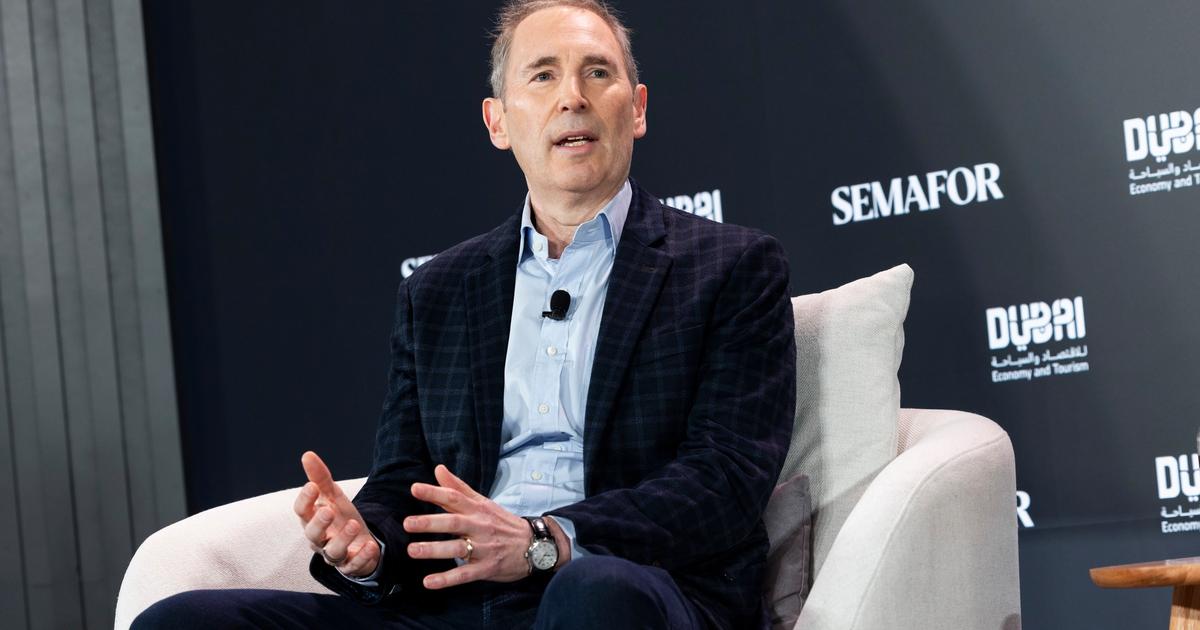
Amazon CEO Andy Jassy said Tuesday it would be a “historic mistake” for the US to pull back on its AI infrastructure buildout following the data center backlash during the midterm elections.
Asked whether “winter is coming” — a nod to fears that the AI boom could face a correction — Al Mubarak said it was, but that “winter doesn’t mean minus 30 degrees.
Speaking alongside Huffington on the panel, Willett Advisors CEO Steven Rattner said the idea of bringing Huang back as CEO is “ridiculous.”
Billionaire hedge fund manager Bill Ackman said Monday it was “unlikely” that he would get directly involved in an effort to reinstate former Nvidia CEO Jensen Huang.
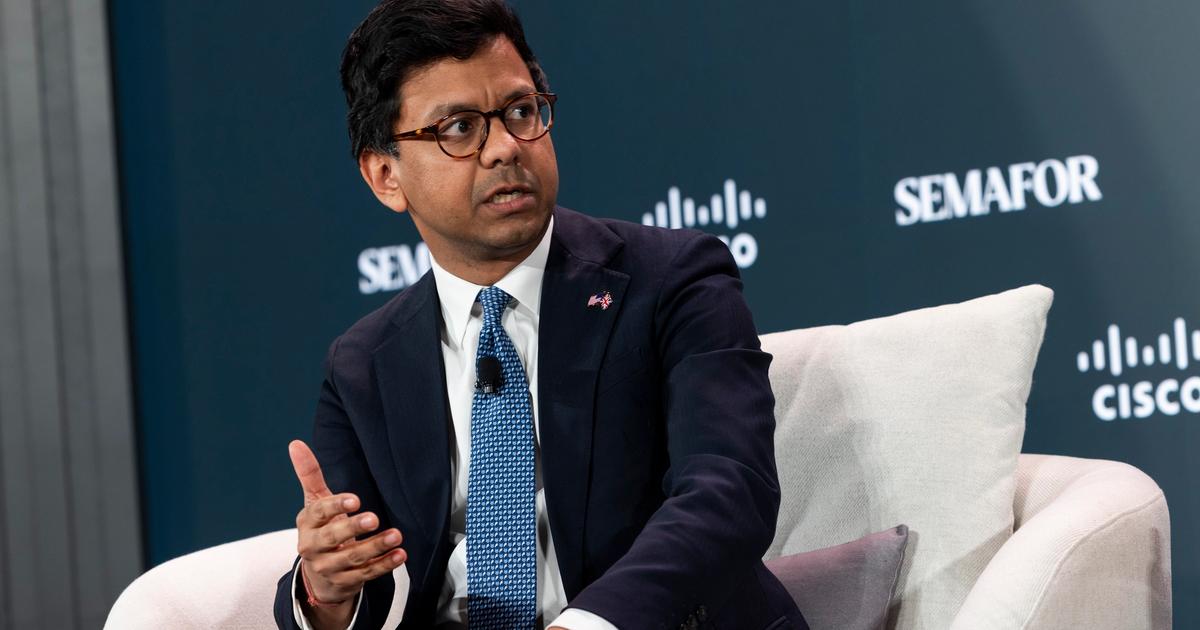
Indians see AI as less of a threat than people in the US because fewer workers hold the “cognitive and office-oriented jobs” that the technology could replace, one of the country’s top tech officials said.
Those ties went beyond business: Hou referenced a New York Times article in which Huang’s longtime hairstylist admitted he was too upset to sleep, drank a bottle of red wine, and prayed for the former chip CEO after his resignation.
They see the model as particularly useful in sales and executive hiring, where a search firm could prompt it to evaluate an interview transcript to gauge how a candidate will behave under pressure.
2026-11-12 · assertive framing · A new AI model wants to read between the lines
“If we leave a market altogether, there’s no question somebody else would step in,” he told Michael Milken in May 2025.
2026-11-11 · assertive framing · Tracking how Jensen Huang changed his stance on China
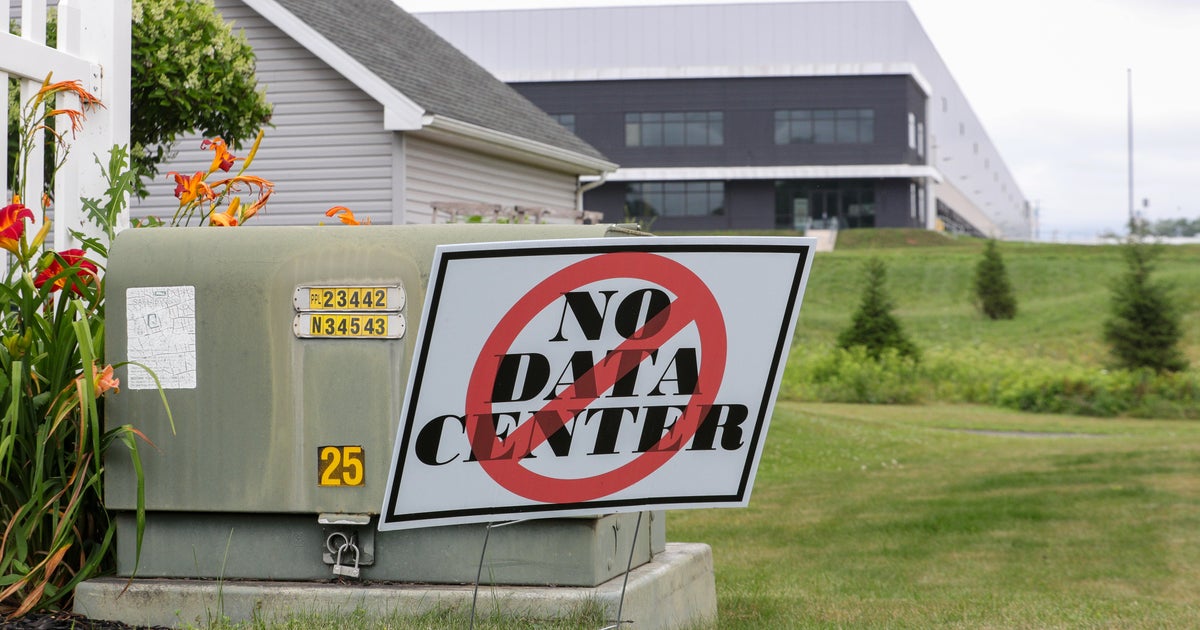
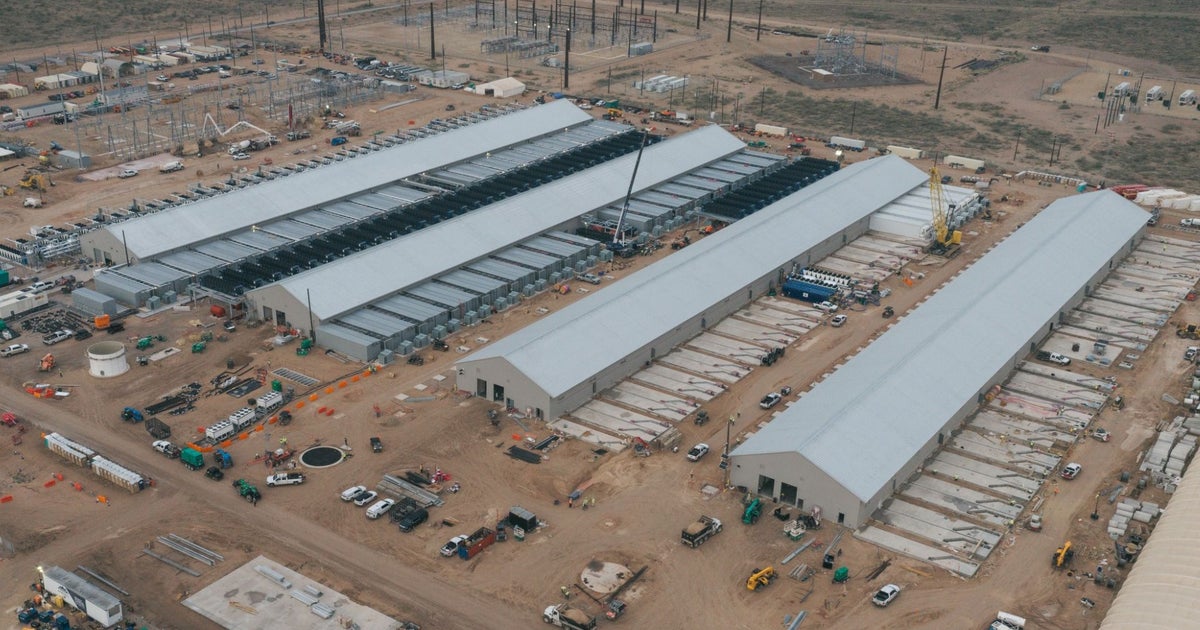
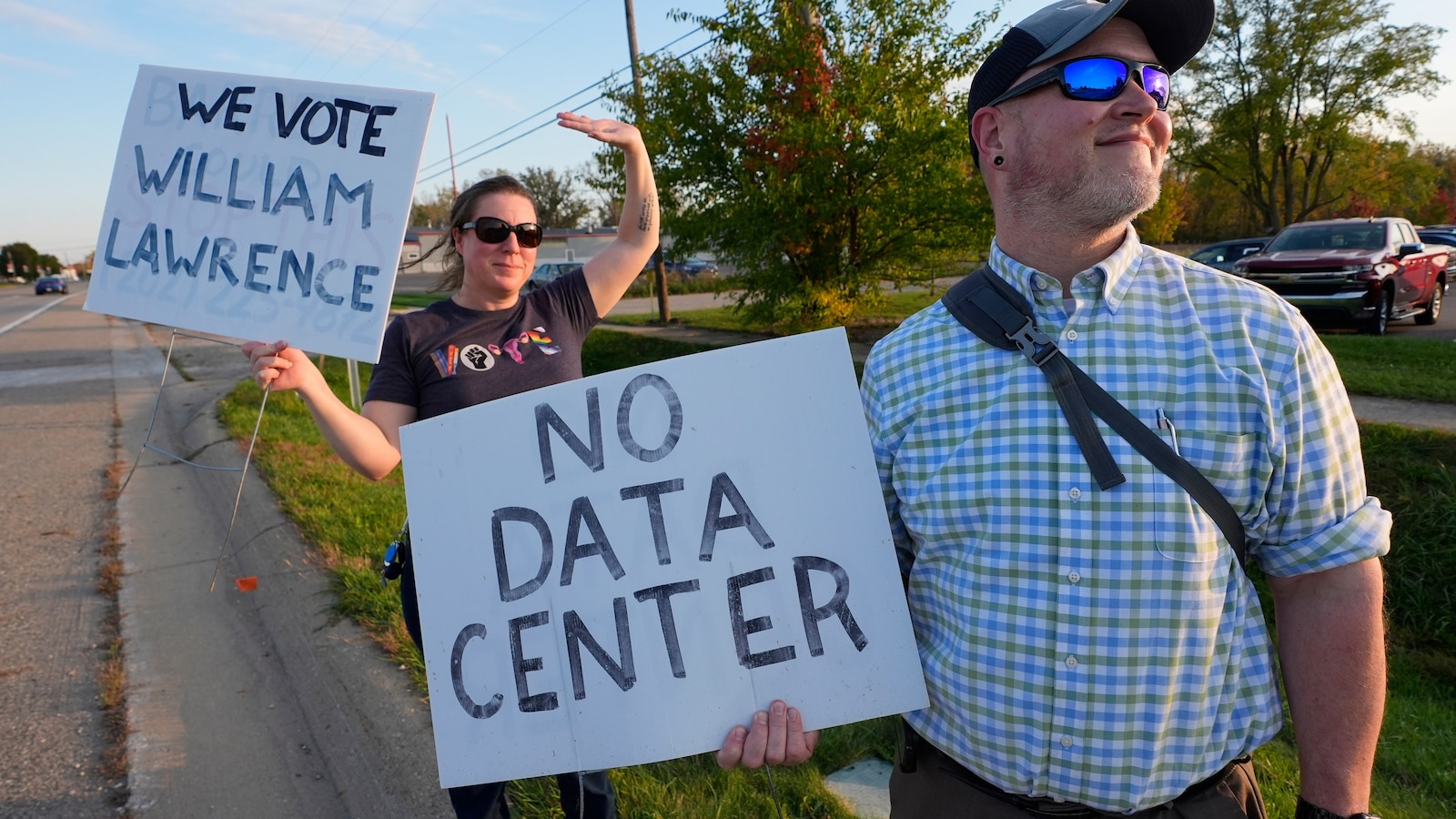
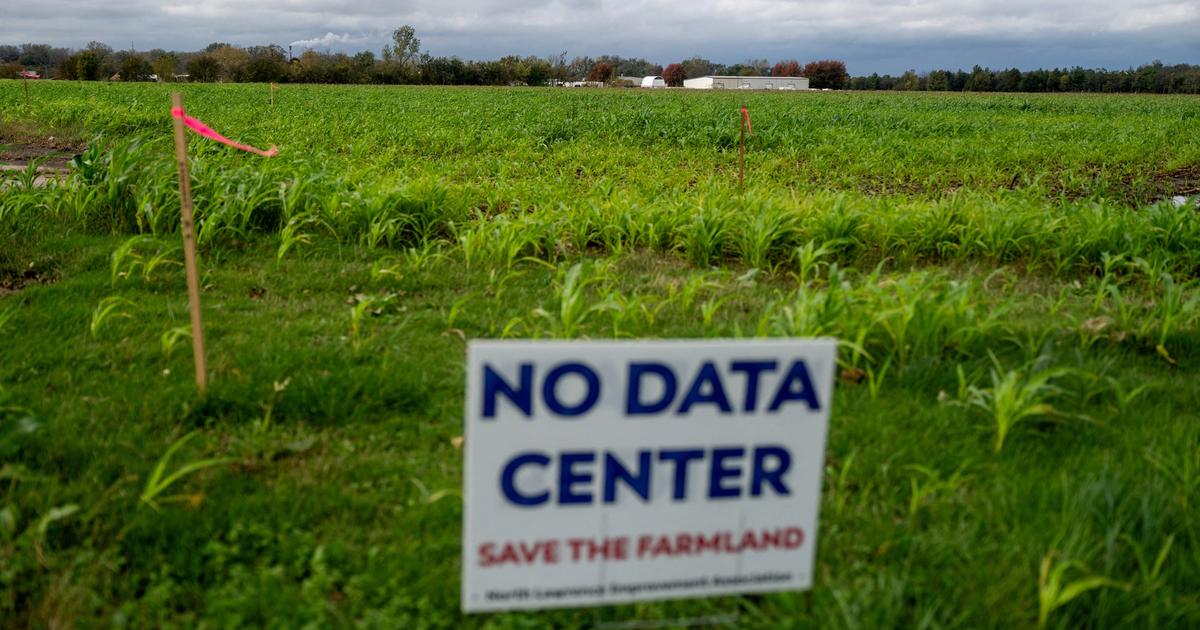
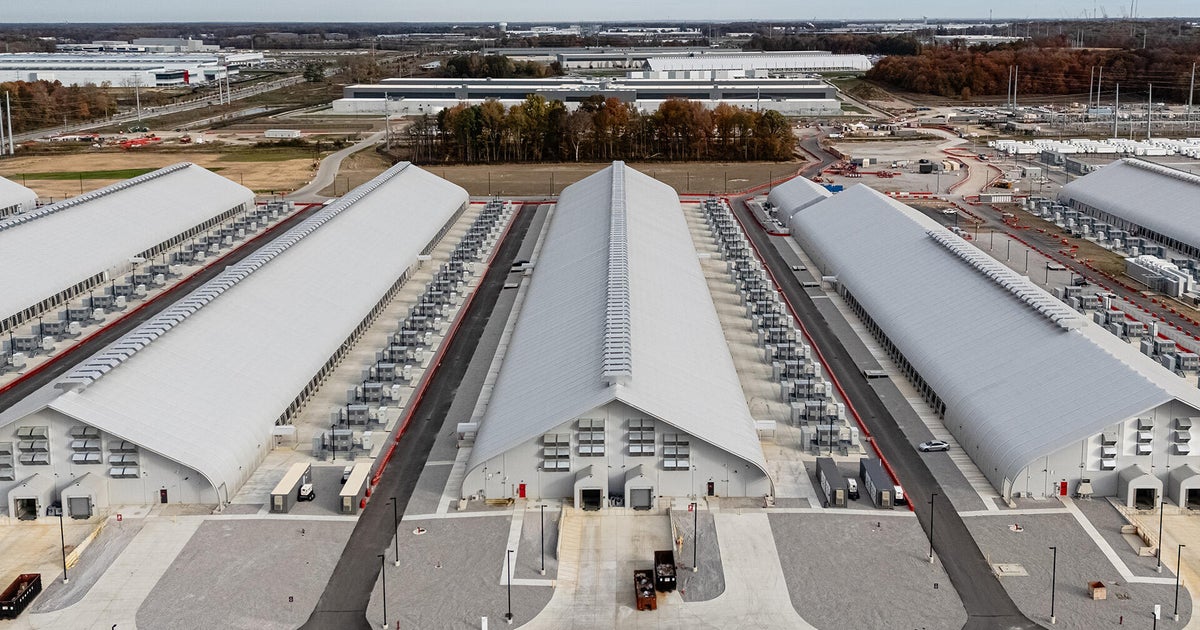
The votes were hyperlocal and often emotional in nature, but they could carry financial consequences, because some of the projects at stake were already in motion.
Also by J.D. Capelouto
Nothing else under this byline is closely related to this article, so these are simply their most recent.
All 41 articles by J.D. Capelouto →

Topics

Ashville Meta Ohio Piqua Trenton

Subjects

Ohio GPE · 5× Meta ORG · 3× Piqua GPE · 3× Amazon ORG · 2× Ashville GPE · 2× Congress ORG · 2× Democrats NORP · 2× Semafor ORG · 2× Trenton GPE · 2× Washington GPE · 2×

Narrative

Incoming Democrats in the House and Senate say they’re going into Congress with a mandate to do something about AI data centers, and Republican groups who pushed their party to listen to grassroots concerns about data centers are saying Washington Republicans can only blame themselves for the midterm losses after aligning with AI companies.
framing: mixed · carried by 1 article(s) · first seen 2026-11-05
The votes were hyperlocal and often emotional in nature, but they could carry financial consequences, because some of the projects at stake were already in motion.

Claims (18 extracted, 4 hedged)

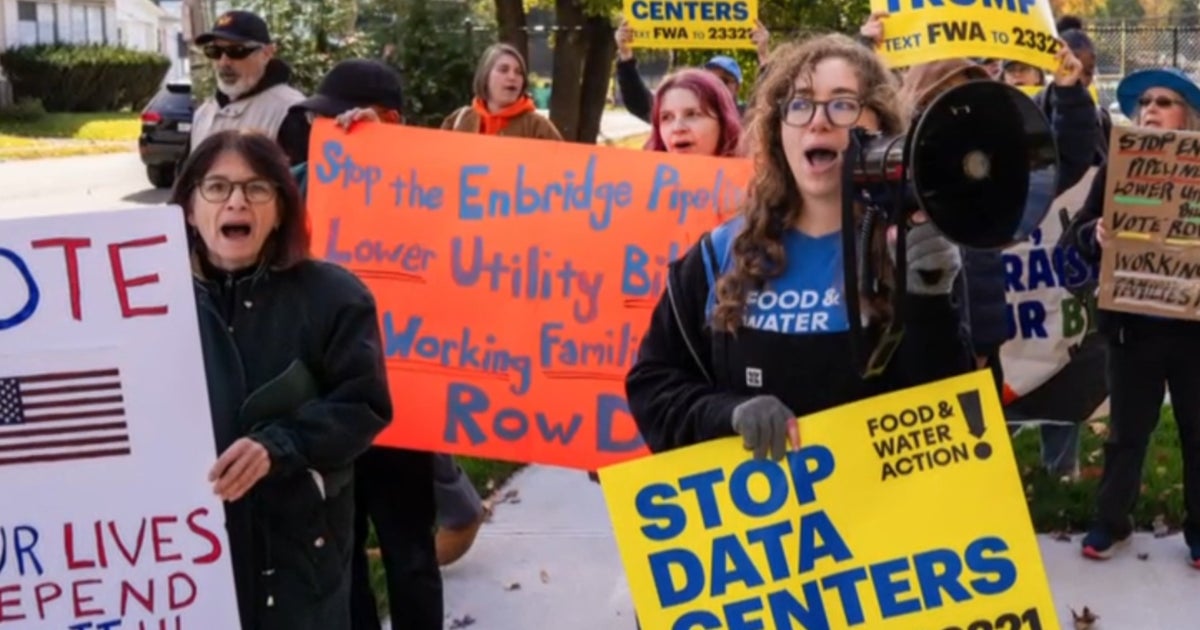
In Piqua, Ohio, voters on Tuesday approved a ban on large data centers and recalled the commissioners who backed Meta’s massive project there. asserted
who → approve → project
In Trenton, less than 50 miles south, a similar ban passed. asserted
ban → pass → Trenton
And outside Columbus, the heart of Ohio’s data center boom, voters in Ashville repealed the village’s deal with developer EdgeConneX. These Ohio races were part of a swell of anti-data-center sentiment that echoed across the country in dozens of ballot measures concerning bans, moratoriums, or stricter regulations and oversight. asserted
that → repeal → bans
The votes were hyperlocal and often emotional in nature, but they could carry financial consequences, because some of the projects at stake were already in motion. uncertain
some → carry → motion
- Meta bought more than 600 acres in Piqua last year for about $110 million, and signed agreements with the city in January. asserted
Meta → buy → January
“We are proud of our investments in Ohio, and will work with local officials to determine the future of our investment in Piqua,” a Meta spokesperson told Semafor on Wednesday. asserted
spokesperson → work → Wednesday
- Amazon had proposed a 600-acre campus on land Trenton hoped to annex; the ban effectively blocks that plan, according to local news. uncertain
ban → propose → news
An Amazon spokesperson didn’t directly comment on the vote but said the company is “committed to setting a high bar for responsible data center development in Ohio, and will continue engaging communities early as we build out this important infrastructure.” asserted
we → comment → infrastructure
- EdgeConneX said its development in Ashville is moving forward despite the vote, given that its permits are secured and construction is underway. asserted
construction → say → vote
More than 40% of the US’ planned data center capacity is located in states where governors or governors-elect have pledged or already imposed a pause on new data centers, according to a Cleanview analysis. uncertain
governors → plan → analysis
That doesn’t mean the data center buildout will grind to a halt, but markets are pricing in a slowdown. asserted
markets → mean → slowdown
Shares of companies that are directly exposed to the physical buildout of data centers tanked Wednesday, including Modine (a maker of data center HVACs, down about 21%) and Sterling Infrastructure (site prep and electrical work, also down 21%). asserted
that → expose → HVACs
Hyperscaler stocks, though, soared, with traders betting they will be forced to rein in the rapid spending that has pushed their free cash flow to negative territory. asserted
that → soar → territory
More restrictions on data center construction also means tech giants’ compute capacity “potentially even becomes more valuable,” Morgan Stanley US Equities Strategist Andrew Pauker told Semafor. asserted
Pauker → mean → Semafor
The View From Washington Tech companies are also recalibrating their data center strategies in Washington as they prepare for a Democrat-controlled Congress. asserted
they → recalibrate → Congress
One tech-focused public affairs adviser suggested companies work with Democrats to craft national rules around data center development. uncertain
companies → focus → development
Incoming Democrats in the House and Senate say they’re going into Congress with a mandate to do something about AI data centers, and Republican groups who pushed their party to listen to grassroots concerns about data centers are saying Washington Republicans can only blame themselves for the midterm losses after aligning with AI companies. asserted
Republicans → income → companies
Ellen DiMauro contributed to this story. asserted
DiMauro → contribute → story
Give feedback · no sign-in needed

No sign-in needed for now. Your note is sent without a name, so it cannot be answered.

History Support