Photo via The Daily Wire

Voyager 1: In A World Gone Mad, Remember What Humanity Can Do

Read the original at The Daily Wire ↗
Cite

Schaeffer, B. (2026, November 18). Voyager 1: In A World Gone Mad, Remember What Humanity Can Do. The Daily Wire. https://www.dailywire.com/news/voyager-1-in-a-world-gone-mad-remember-what-humanity-can-do

Dated from the outlet's own feed. Check the original for its byline.

The Daily Wire · collected 2026-11-18 · by Brad Schaeffer

Quick Summary

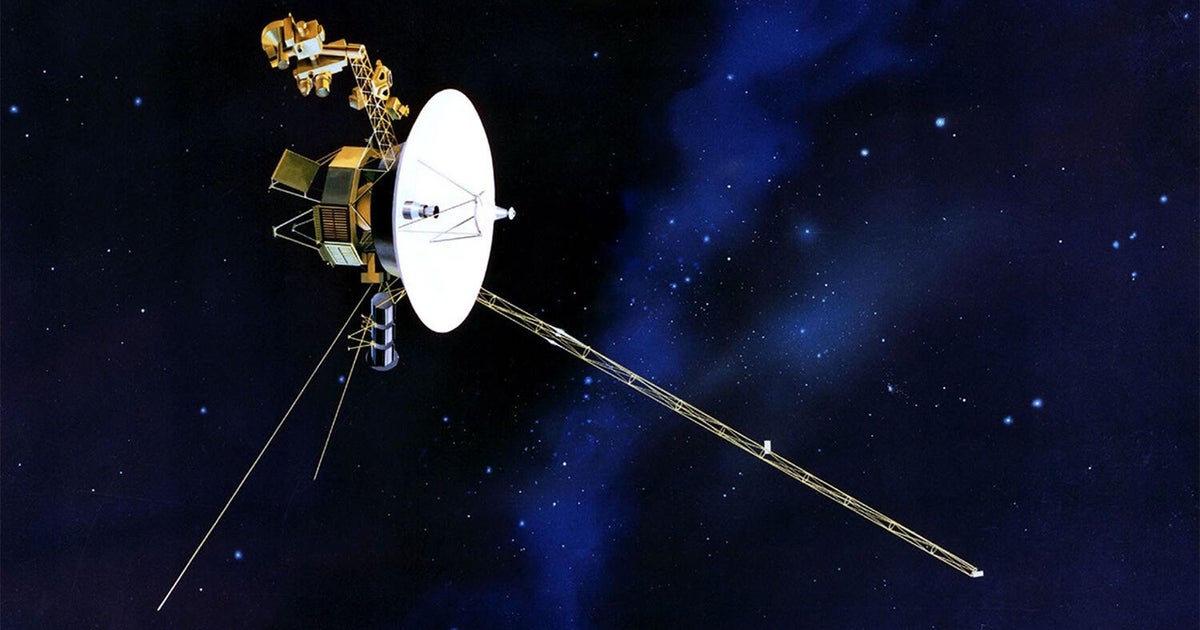
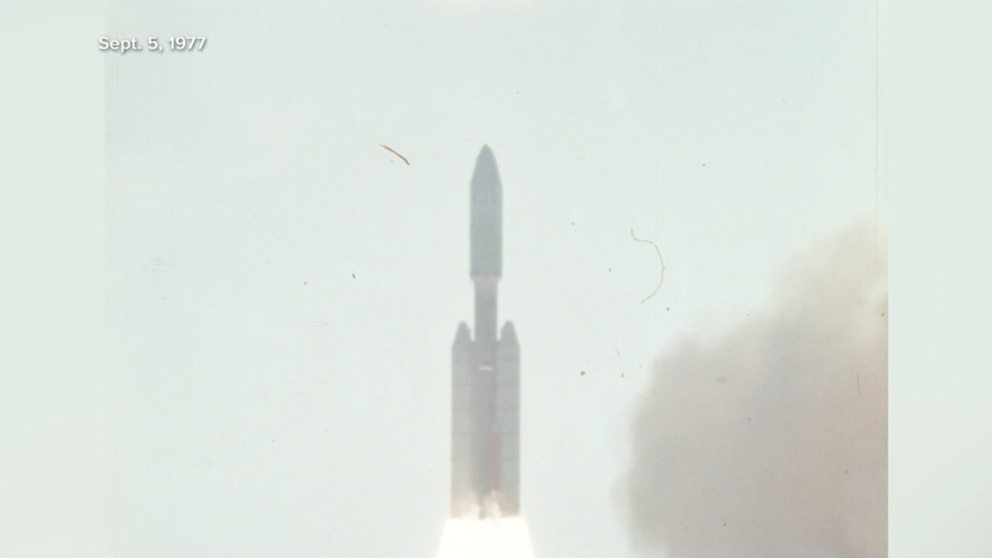
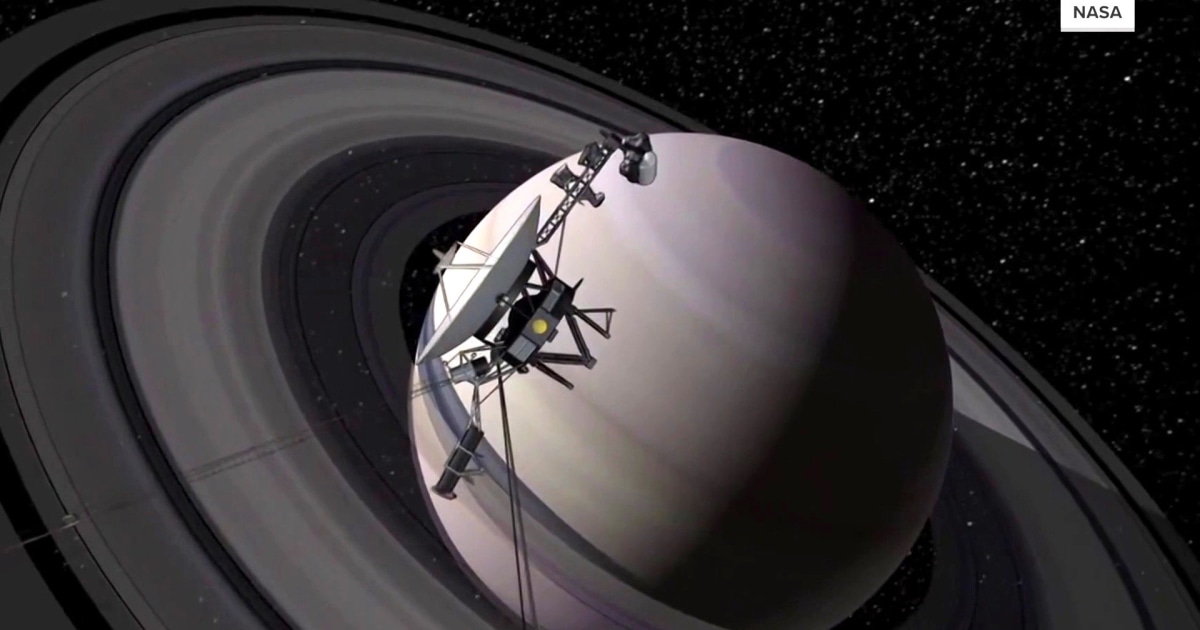
The article discusses Voyager 1, which was launched on September 5, 1977, and is now one light-day (approximately 16.1 billion miles) from Earth. The author reflects on the significance of Voyager 1’s mission, which explored Jupiter and Saturn before leaving the solar system in 2012. The piece contrasts the technological achievement with current global issues, emphasizing the remarkable feat of human exploration and the rarity of the celestial alignment that made the mission possible.
Written by AI on 2026-11-18, from this article's own text only (the story summary below draws on all the coverage).
See how they differ ↓

AI analysis

Story summary

On November 18, 2026, NASA's Voyager 1 became the first human-made object to reach one light-day from Earth, a distance of over 16 billion miles (26 billion kilometers). Launched in 1977, Voyager 1 crossed this historic threshold on its journey through interstellar space. The signal confirming this milestone took exactly 24 hours to reach Earth, marking the first time a human-made object has communicated from such a distant location. NASA celebrated this achievement by encouraging people worldwide to form a "wave of golden light" using Morse code to spell "V-G-R" (Voyager’s call sign) after sunset on November 17.

Written for “NASA Voyager 1 Reaches One Light-Day Milestone” on 2026-11-21, grounded in this article and the 18 other(s) covering the same event.

How they differ

16 outlets covered “NASA Voyager 1 Reaches One Light-Day Milestone”.

What each outlet says

One AI summary per outlet of its latest article on this story, written from that article alone and checked against it. Open the article for the outlet's own words.

The Daily WireThis outlet18 Nov

The article discusses Voyager 1, which was launched on September 5, 1977, and is now one light-day (approximately 16.1 billion miles) from Earth. The author reflects on the significance of Voyager 1’s mission, which explored Jupiter and Saturn before leaving the solar system in 2012. The piece contrasts the technological achievement with current global issues, emphasizing the remarkable feat of human exploration and…

Voyager 1: In A World Gone Mad, Remember What Humanity Can Do (this article)
Al Jazeera18 Nov

NASA’s Voyager 1 has traveled for 49 years and is now more than 16 billion miles from Earth, marking a new milestone as it is one light-day away. This means radio signals sent from Earth take 24 hours to reach the spacecraft, which continues to transmit data from interstellar space.

Voyager 1 reaches one light-day from Earth after 49 years in space →2 articles from Al Jazeera on this story
The Hindu18 Nov

NASA’s Voyager 1 probe reached a distance of one light-day from Earth on November 18, 2026, at 5:16 a.m. ET, approximately 16 billion miles away. The probe, launched in 1977, is now in interstellar space, and confirmation of this milestone will be discussed at an event on November 19. Project manager Suzanne Dodd noted that reaching this distance is an unexpected achievement, with the probe continuing to transmit…

NASA Voyager 1 probe believed to have reached ‘light-day’ milestone →2 articles from The Hindu on this story
Toronto Star14 Nov

NASA’s Voyager 1 is set to reach one light-day from Earth on Wednesday, marking a new distance record in interstellar space. Launched 49 years ago, the spacecraft will be over 16 billion miles away from Earth, and its radio signals will take exactly 24 hours to reach us. NASA project manager Suzanne Dodd considers Voyager 1 a "national treasure," and the organization is encouraging people worldwide to participate in…

NASA's Voyager 1 closes in on a light-day in interstellar space for a new distance record →
Los Angeles Times17 Nov

NASA’s Voyager 1 space probe is about to reach a distance where its signals will take a full day to travel from the spacecraft to Earth, marking a new engineering milestone expected around 2:16 a.m. Wednesday. Launched nearly 50 years ago, Voyager 1 has been traveling at 38,000 miles per hour and is now approximately 16 billion miles from Earth. Alan Cummings, a senior research scientist who has worked on the…

NASA's Voyager 1 will soon be so far away that its messages take a day to reach Earth →
Show 9 more outlets
ABC News (AU)17 Nov

NASA's Voyager 1 spacecraft is set to reach a distance of one light-day from Earth, or 25.9 billion kilometers, at 9:16 pm AEDT on November 18. Launched in 1977, Voyager 1 is now the farthest human-made object from Earth and has entered interstellar space. Project scientist Linda Spilker highlights the significance of this milestone, noting that Voyager 1's journey, originally intended to last only a decade, has…

NASA's Voyager 1 probe to reach historic light-day milestone today →
CBS News18 Nov

NASA's Voyager 1 probe, launched in 1977, set a new distance record of one light day from Earth, which is more than 16 billion miles, on Wednesday. This makes it the farthest human-made object from Earth. Voyager 1 and its sister ship, Voyager 2, which reached interstellar space in 2018, continue to transmit data about interstellar space despite declining power levels. Voyager 1's signal, traveling at the speed of…

Voyager 1 sets new distance record of one "light day" from Earth →
CBC18 Nov

Voyager 1, launched in 1977, has reached a distance of 26 billion kilometers from Earth, marking a new milestone where it takes light one full day to travel from Earth to the spacecraft. This achievement underscores the vast scale of space and the longevity of human-made technology. Despite its age, Voyager 1 continues to communicate with Earth and operate two of its original instruments, which measure plasma waves…

The new milestone Voyager 1 just crossed in interstellar space →
The Straits Times18 Nov

NASA's Voyager 1 probe is believed to have reached a distance of one light-day from Earth, approximately 16 billion miles, on November 18. Launched in 1977, Voyager 1 entered interstellar space in 2012 and continues to gather scientific data, including measurements of magnetic fields, cosmic rays, and plasma waves. Officials at NASA's Jet Propulsion Laboratory will confirm the milestone once they receive a signal…

NASA Voyager 1 probe believed to have reached 'light-day' milestone →
The Guardian18 Nov

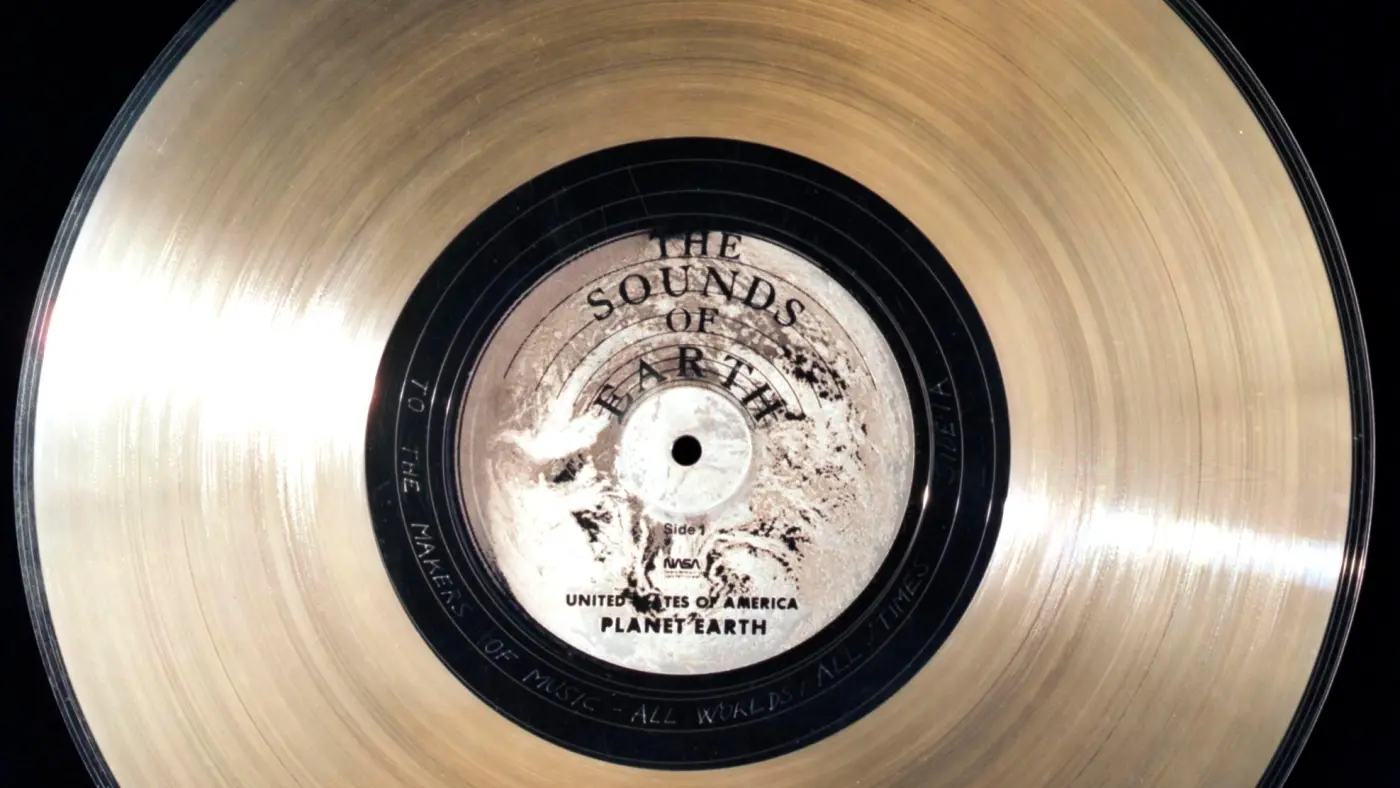
NASA’s Voyager 1 probe, launched in September 1977, has traveled for 49 years at a speed of 37,800 miles per hour and is now one light-day (16.1 billion miles) away from Earth. It took photos of Jupiter and Saturn before exiting the solar system’s protective heliopause in 2012. Voyager carries a golden record containing Earth’s cultural messages, including music, greetings in 55 languages, and images. In 1990, at…

After 49 years, Nasa’s Voyager 1 is one light-day away from us. Can we save this ‘pale blue dot’? | →
NBC News18 Nov

NASA’s Voyager spacecraft has reached a historic milestone, being the first human-made object to be one full light day away from Earth. This means it would take light, traveling at 670 million miles per hour, 24 hours to reach the spacecraft. Tom Costello of NBC reports on TODAY about the spacecraft's long and remarkable journey through space.

NASA Voyager Reaches One Full Light Day From Earth →
The Globe and Mail19 Nov

NASA’s Voyager 1 spacecraft has reached a distance of one light-day from Earth, marking a new milestone in its journey through interstellar space. The signal from the spacecraft, sent 24 hours earlier, traveled approximately 26 billion kilometers at the speed of light before being received by flight controllers at California’s Jet Propulsion Laboratory on Thursday. Launched in 1977, Voyager 1 has been transmitting…

NASA’s Voyager 1 is an awe-inspiring one light-day away from Earth →
Times of India20 Nov

NASA's Voyager 1 spacecraft has communicated with Earth from a distance of one light-day, which is approximately 16 billion miles. The signal took exactly 24 hours to travel from Voyager 1 to antennas near Madrid, Spain, and was confirmed by flight controllers at NASA’s Jet Propulsion Laboratory on Thursday. This achievement marks a new milestone in Voyager 1’s nearly 49-year journey, during which it has flown past…

Hello, Earth! Nasa's Voyager 1 phones home from beyond 16 billion miles →
Toronto Sun20 Nov

NASA’s Voyager 1 probe has reached one light-day from Earth, marking a historic milestone as the farthest human-made object from our planet. This distance is approximately 26 billion kilometers, and Voyager 1 has held this distinction since surpassing Pioneer 10 in 1998. Launched in September 1977, Voyager 1 was designed to operate for only five years but continues to function nearly 10 times longer than initially…

NASA’s Voyager 1 reaches one light-day from Earth in historic milestone →

Where they agree and split

Agreed

Reported by outlets on both sides of the middle

To celebrate this moment, NASA is urging people from all corners to grab their phone or a flashlight to create a wave of golden light after sunset Tuesday, using Morse code to spell the letters V-G-R, Voyager’s call sign, into the night sky.

4 outlets

Framing

How the first headlines put it

Stated as fact2
The headlines (2)

NASA's Voyager 1 closes in on a light-day in interstellar space for a new distance record Toronto Star · stated as fact

NASA’s Voyager 1 to hit new space distance record of one light-day Al Jazeera · stated as fact

The full story: what happened, how it changed, and all 19 articles →

Compared with similar articles

This article reads leans left and hedges 8% of its claims. Each row says how that neighbour differs.
Al Jazeera
Hedges 0 of 13 claims Outlet record 60/100
NPR
Hedges 1 of 22 claims Outlet record 60/100
The Hindu
Hedges 2 of 25 claims Outlet record 78/100
CBS News
Hedges 1 of 51 claims Outlet record 66/100
CBC News
Hedges 2 of 37 claims Outlet record 72/100
The Hindu
Hedges 4 of 21 claims Outlet record 78/100
ABC News (US)
Hedges 0 of 1 claims Outlet record 66/100
NBC News
Hedges 0 of 2 claims Outlet record 78/100
Al Jazeera
Hedges 0 of 2 claims Outlet record 60/100

Story

NASA Voyager 1 Reaches One Light-Day Milestone
Science · 19 article(s) covering the same event. Compare every outlet's account →
How this article was measured signals, leaning charts, publisher record, byline, topics and claims

Signals How these are calculated →

Claims extracted
72
sentences that state something as happening or true
Uncertain
8%
6 of 72 hedged ("reportedly", "may", "according to")
Leaning
Leans left
of the writing, not the subject · beta estimate
Publisher signals
60/100
The Daily Wire's corrections and hedging, across everything collected from it. Not a measure of accuracy.
Outlets on this story
19
Science
Same framing elsewhere
1
articles that frame the event the way this one does
Analyzed 2026-11-18 · how these are computed

How this is being covered How these are calculated →

Article leaning vs. publisher reliability
Source leaning vs. consistency

Publisher

The Daily Wire · 482 article(s) · 2 correction(s) detected
Running correction rate · 2 correction(s)

Who wrote this

Brad Schaeffer
2 article(s) here · 1 carrying a prediction
I fear this milestone will receive little more than a passing mention before we return to election fallout, wars, gas prices, and the latest controversy demanding our indignation.
Yet New Jersey’s Assembly Bill A1146, sponsored by Assemblyman Joe Danielsen (D-17), would dangerously move our state toward establishing one.
Also by Brad Schaeffer
Nothing else under this byline is closely related to this article, so these are simply their most recent.

Topics

Columbus Florida Jovian Voyager 1 Voyager 2

Subjects

Columbus ORG · 1× Florida GPE · 1× Jovian NORP · 1×

Narrative

Along with his Substack, Brad’s articles have appeared on the pages of The Wall Street Journal, NY Post, NY Daily News, Daily Wire, National Review, The Hill, The Federalist, Washington Examiner, TheBlaze, Zerohedge, and other outlets.
framing: assertive · carried by 1 article(s) · first seen 2026-11-18
I fear this milestone will receive little more than a passing mention before we return to election fallout, wars, gas prices, and the latest controversy demanding our indignation.
2026-11-18 · The Daily Wire
Voyager 1: In A World Gone Mad, Remember What Humanity Can Do · assertive framing

Claims (72 extracted, 6 hedged)

Some voyages of discovery are so consequential that they forever change our understanding of the world and our place in it. asserted
they → change → it
And today another milestone in humanity’s insatiable thirst for knowledge and exploration comes to pass. asserted
milestone → come → knowledge
Voyager 1, launched on September 5, 1977, is now one light-day from Earth. asserted
Voyager → launch → Earth
And from that almost inconceivable distance, the space probe is still speaking to us. asserted
probe → speak → us
I fear this milestone will receive little more than a passing mention before we return to election fallout, wars, gas prices, and the latest controversy demanding our indignation. asserted
we → fear → indignation
These things have real consequences. asserted
things → have → consequences
But so does what we choose to celebrate. asserted
choose → do → what
Surely an achievement of this magnitude deserves a moment to consider ourselves members of the human race, capable of something extraordinary. asserted
ourselves → deserve → something
I was only 10 when Voyager 1 lifted off from Cape Canaveral. asserted
Voyager → lift → Canaveral
Its companion, Voyager 2, had launched 16 days earlier. asserted
companion → launch → ?
Together, they would explore the four Jovian planets of our outer solar system: Jupiter, Saturn, Uranus, and Neptune. asserted
they → explore → system
The opportunity arose from a rare arrangement of those planets, occurring roughly every 175 years. asserted
opportunity → arise → planets
Their positions allowed a spacecraft to travel from one world to the next, using each planet’s gravity to help propel it onward like a slingshot, reducing the time it would take to reach Neptune from 30 years down to12. asserted
it → allow → years
The previous opportunity came around 1801-02. asserted
opportunity → come → 1801
I find that almost as remarkable as the voyage itself. asserted
that → find → voyage
That earlier window passed over a world of sailing ships and horse-drawn carriages. asserted
window → pass → ships
By the time it returned, we had learned enough to build machines to take advantage of it. asserted
we → return → it
The planets had been following their courses for billions of years. asserted
planets → follow → years
How fortunate to belong to the generations who witnessed that meeting of celestial circumstance and human ingenuity that will not occur again until the 2150s. asserted
that → belong → 2150s
We did nothing to earn our place in this particular moment of history. asserted
We → do → history
Yet we have been allowed to see things our ancestors could not even imagine. uncertain
ancestors → allow → things
Voyager 1 explored Jupiter and Saturn before its close encounter with Saturn’s moon, Titan, sent it hurtling at a steady 38,000 mph out of the protoplanetary disc and headed for interstellar space. asserted
it → explore → space
In August 2012, the probe crossed beyond the heliosphere, the vast bubble of plasma and magnetic fields generated by our Sun, bidding the solar system farewell. asserted
probe → cross → farewell
Today, 49 years after leaving Florida, it is approximately 16.1 billion miles, one light-day, from home. asserted
it → leave → home
The term’s banality hardly conveys the distance until you run the numbers. asserted
you → convey → numbers
Light travels approximately 186,000 miles per second, fast enough to circle Earth seven and a half times in a heartbeat. asserted
Light → travel → heartbeat
Yet Voyager’s radio signal requires 24 hours to reach us; send a command and wait a full two days for its acknowledgment. asserted
signal → require → acknowledgment
To truly appreciate the distance, and thus the sheer magnitude of this achievement, consider that to travel one light-day by jumbo jet would require a flight of 3,200 years. asserted
travel → appreciate → years
Put another way, if the Sun, which we can stuff 960,000 Earths into, were shrunk down to the size of a basketball, Voyager 1 would now be 49 football fields away. asserted
Voyager → put → basketball
I think of the people who designed Voyager, some of whom did not live to see how far their work would carry it. asserted
work → think → it
Others inherited their responsibility and kept it alive. asserted
Others → inherit → it
There is something deeply moving about that continuity: people sustaining an undertaking they were not there to see begin, and whose full achievement they may never witness. uncertain
they → be → achievement
In a way, it is the closest we have to the generations that built the great cathedrals of old. asserted
that → have → cathedrals
Those who laid the first stones knew they would never see the finished structure, yet they built all the same, trusting that others would carry the work forward. asserted
others → lay → work
The Voyager program embodies that same faith in the future. asserted
program → embody → future
Its makers set something in motion that would outlive them, entrusting it to people they would never know and to a journey whose ultimate end none of them could imagine. uncertain
none → set → them
The distances of space are both an impediment and a blessing, for they force us to reckon with the limits of a single human life. asserted
they → force → life
We cannot follow the Voyagers to their ultimate destinations; any more than the cathedral builders could live to see the completion of their work. uncertain
builders → follow → work
Something profoundly human lies in devoting ourselves to a future we will never inhabit, building toward a horizon we will never reach. asserted
we → lie → horizon
Perhaps we find meaning not by overcoming the limits of our own brief existence, but by creating things that reach beyond them. asserted
that → find → them
…and 32 more, not listed.
Give feedback · no sign-in needed

No sign-in needed for now. Your note is sent without a name, so it cannot be answered.

History Support