Photo via CBC News

The new milestone Voyager 1 just crossed in interstellar space

Read the original at CBC News ↗
Cite

Ram, A. (2026, November 18). The new milestone Voyager 1 just crossed in interstellar space. CBC News. https://www.cbc.ca/news/science/voyager-1-light-day-9.7425162?cmp=rss

Dated from the outlet's own feed. Check the original for its byline.

CBC News · collected 2026-11-18 · by Anand Ram

Quick Summary

Voyager 1, launched in 1977, has reached a distance of 26 billion kilometers from Earth, marking a new milestone where it takes light one full day to travel from Earth to the spacecraft. This achievement underscores the vast scale of space and the longevity of human-made technology. Despite its age, Voyager 1 continues to communicate with Earth and operate two of its original instruments, which measure plasma waves and magnetic fields, providing valuable data about interstellar space.
Written by AI on 2026-11-18, from this article's own text only (the story summary below draws on all the coverage).
See how they differ ↓

AI analysis

Story summary

NASA's Voyager 1 has reached a historic milestone by becoming the first human-made object to travel one light-day from Earth, marking a distance of more than 16 billion miles (26 billion kilometers). Launched in 1977, the spacecraft has been transmitting data to Earth from interstellar space, with its signal taking exactly 24 hours to reach the control team at California’s Jet Propulsion Laboratory (JPL) on Thursday, November 17, 2026. To commemorate this achievement, NASA encouraged people worldwide to create a wave of golden light using Morse code to spell out the letters V-G-R, representing Voyager’s call sign, after sunset on November 17.

Written for “Voyager 1 Reaches One Light-Day Milestone” on 2026-11-21, grounded in this article and the 22 other(s) covering the same event.

How they differ

17 outlets covered “Voyager 1 Reaches One Light-Day Milestone”.

What each outlet says

One AI summary per outlet of its latest article on this story, written from that article alone and checked against it. Open the article for the outlet's own words.

CBCThis outlet18 Nov

Voyager 1, launched in 1977, has reached a distance of 26 billion kilometers from Earth, marking a new milestone where it takes light one full day to travel from Earth to the spacecraft. This achievement underscores the vast scale of space and the longevity of human-made technology. Despite its age, Voyager 1 continues to communicate with Earth and operate two of its original instruments, which measure plasma waves…

The new milestone Voyager 1 just crossed in interstellar space (this article)
Dawn18 Nov

Tiffany Kataria from NASA announced that Voyager 1, launched in 1977, has reached a distance of one light-day from Earth, approximately 26 billion kilometers away. This milestone highlights the vastness of space, emphasizing that many exoplanetary systems are several light-years distant. Voyager 1 and its twin Voyager 2 are the only spacecraft to have entered interstellar space, continuing to study cosmic phenomena…

After 49 years in space, Nasa’s Voyager 1 probe one light-day away from Earth →3 articles from Dawn on this story
Al Jazeera18 Nov

NASA’s Voyager 1 has traveled for 49 years and is now more than 16 billion miles from Earth, marking a new milestone as it is one light-day away. This means radio signals sent from Earth take 24 hours to reach the spacecraft, which continues to transmit data from interstellar space.

Voyager 1 reaches one light-day from Earth after 49 years in space →2 articles from Al Jazeera on this story
The Hindu18 Nov

NASA’s Voyager 1 probe reached a distance of one light-day from Earth on November 18, 2026, at 5:16 a.m. ET, approximately 16 billion miles away. The probe, launched in 1977, is now in interstellar space, and confirmation of this milestone will be discussed at an event on November 19. Project manager Suzanne Dodd noted that reaching this distance is an unexpected achievement, with the probe continuing to transmit…

NASA Voyager 1 probe believed to have reached ‘light-day’ milestone →2 articles from The Hindu on this story
Show 10 more outlets
Toronto Star14 Nov

NASA’s Voyager 1 is set to reach one light-day from Earth on Wednesday, marking a new distance record in interstellar space. Launched 49 years ago, the spacecraft will be over 16 billion miles away from Earth, and its radio signals will take exactly 24 hours to reach us. NASA project manager Suzanne Dodd considers Voyager 1 a "national treasure," and the organization is encouraging people worldwide to participate in…

NASA's Voyager 1 closes in on a light-day in interstellar space for a new distance record →
Los Angeles Times17 Nov

NASA’s Voyager 1 space probe is about to reach a distance where its signals will take a full day to travel from the spacecraft to Earth, marking a new engineering milestone expected around 2:16 a.m. Wednesday. Launched nearly 50 years ago, Voyager 1 has been traveling at 38,000 miles per hour and is now approximately 16 billion miles from Earth. Alan Cummings, a senior research scientist who has worked on the…

NASA's Voyager 1 will soon be so far away that its messages take a day to reach Earth →
ABC News (AU)17 Nov

NASA's Voyager 1 spacecraft is set to reach a distance of one light-day from Earth, or 25.9 billion kilometers, at 9:16 pm AEDT on November 18. Launched in 1977, Voyager 1 is now the farthest human-made object from Earth and has entered interstellar space. Project scientist Linda Spilker highlights the significance of this milestone, noting that Voyager 1's journey, originally intended to last only a decade, has…

NASA's Voyager 1 probe to reach historic light-day milestone today →
The Daily Wire18 Nov

The article discusses Voyager 1, which was launched on September 5, 1977, and is now one light-day (approximately 16.1 billion miles) from Earth. The author reflects on the significance of Voyager 1’s mission, which explored Jupiter and Saturn before leaving the solar system in 2012. The piece contrasts the technological achievement with current global issues, emphasizing the remarkable feat of human exploration and…

Voyager 1: In A World Gone Mad, Remember What Humanity Can Do →
The Straits Times18 Nov

NASA's Voyager 1 probe is believed to have reached a distance of one light-day from Earth, approximately 16 billion miles, on November 18. Launched in 1977, Voyager 1 entered interstellar space in 2012 and continues to gather scientific data, including measurements of magnetic fields, cosmic rays, and plasma waves. Officials at NASA's Jet Propulsion Laboratory will confirm the milestone once they receive a signal…

NASA Voyager 1 probe believed to have reached 'light-day' milestone →
The Guardian18 Nov

NASA’s Voyager 1 probe, launched in September 1977, has traveled for 49 years at a speed of 37,800 miles per hour and is now one light-day (16.1 billion miles) away from Earth. It took photos of Jupiter and Saturn before exiting the solar system’s protective heliopause in 2012. Voyager carries a golden record containing Earth’s cultural messages, including music, greetings in 55 languages, and images. In 1990, at…

After 49 years, Nasa’s Voyager 1 is one light-day away from us. Can we save this ‘pale blue dot’? | →
NBC News18 Nov

NASA’s Voyager spacecraft has reached a historic milestone, being the first human-made object to be one full light day away from Earth. This means it would take light, traveling at 670 million miles per hour, 24 hours to reach the spacecraft. Tom Costello of NBC reports on TODAY about the spacecraft's long and remarkable journey through space.

NASA Voyager Reaches One Full Light Day From Earth →
The Globe and Mail19 Nov

NASA’s Voyager 1 spacecraft has reached a distance of one light-day from Earth, marking a new milestone in its journey through interstellar space. The signal from the spacecraft, sent 24 hours earlier, traveled approximately 26 billion kilometers at the speed of light before being received by flight controllers at California’s Jet Propulsion Laboratory on Thursday. Launched in 1977, Voyager 1 has been transmitting…

NASA’s Voyager 1 is an awe-inspiring one light-day away from Earth →
Times of India20 Nov

NASA's Voyager 1 spacecraft has communicated with Earth from a distance of one light-day, which is approximately 16 billion miles. The signal took exactly 24 hours to travel from Voyager 1 to antennas near Madrid, Spain, and was confirmed by flight controllers at NASA’s Jet Propulsion Laboratory on Thursday. This achievement marks a new milestone in Voyager 1’s nearly 49-year journey, during which it has flown past…

Hello, Earth! Nasa's Voyager 1 phones home from beyond 16 billion miles →
Toronto Sun20 Nov

NASA’s Voyager 1 probe has reached one light-day from Earth, marking a historic milestone as the farthest human-made object from our planet. This distance is approximately 26 billion kilometers, and Voyager 1 has held this distinction since surpassing Pioneer 10 in 1998. Launched in September 1977, Voyager 1 was designed to operate for only five years but continues to function nearly 10 times longer than initially…

NASA’s Voyager 1 reaches one light-day from Earth in historic milestone →

Where they agree and split

Agreed

Reported by outlets on both sides of the middle

To celebrate this moment, NASA is urging people from all corners to grab their phone or a flashlight to create a wave of golden light after sunset Tuesday, using Morse code to spell the letters V-G-R, Voyager’s call sign, into the night sky.

4 outlets

Framing

How the first headlines put it

Stated as fact2
The headlines (2)

NASA's Voyager 1 closes in on a light-day in interstellar space for a new distance record Toronto Star · stated as fact

NASA’s Voyager 1 to hit new space distance record of one light-day Al Jazeera · stated as fact

The full story: what happened, how it changed, and all 23 articles →

Compared with similar articles

This article reads unscored and hedges 5% of its claims. Each row says how that neighbour differs.
Al Jazeera
Hedges 0 of 13 claims Outlet record 60/100
Los Angeles Times
Hedges 1 of 35 claims Outlet record 95/100
The Hindu
Hedges 2 of 25 claims Outlet record 78/100
CBS News
Hedges 1 of 51 claims Outlet record 66/100
The Daily Wire
Leans left Hedges 6 of 72 claims Outlet record 60/100
The Straits Times
Hedges 4 of 22 claims Outlet record 64/100
The Hindu
Hedges 4 of 21 claims Outlet record 78/100
Dawn
Hedges 2 of 14 claims Outlet record 66/100
Dawn
Hedges 2 of 14 claims Outlet record 66/100

Story

Voyager 1 Reaches One Light-Day Milestone
Science · 23 article(s) covering the same event. Compare every outlet's account →
How this article was measured signals, leaning charts, publisher record, byline, topics and claims

Signals How these are calculated →

Claims extracted
37
sentences that state something as happening or true
Uncertain
5%
2 of 37 hedged ("reportedly", "may", "according to")
Leaning
not political
takes no side on a contested political question
Publisher signals
72/100
CBC News's corrections and hedging, across everything collected from it. Not a measure of accuracy.
Outlets on this story
23
Science
Same framing elsewhere
1
articles that frame the event the way this one does
Analyzed 2026-11-18 · how these are computed

How this is being covered How these are calculated →

Article leaning vs. publisher reliability
Source leaning vs. consistency

Publisher

CBC News · 2417 article(s) · 6 correction(s) detected
Running correction rate · 6 correction(s)

Who wrote this

Anand Ram
8 article(s) here · 1 carrying a prediction
If you’re wondering how anyone might know how to play it, there are instructions.
Ramayana: Part 1 has the muscle, but lacks a certain epic soul Mega-budget adaptation of Hindu myth feels like it's hurrying you along Growing up in Toronto, my family got our Indian cinema fix in the late ‘90s by renting bootleg VHS tapes from the basement of a shop on Lawrence Avenue.
The end result will feel like a comforting hug to many gamers, but its world will welcome anyone who hasn't visited before.
Deepsea experts who weren't involved with the research say the study accounted for the natural factors that might affect fish abundance, such as temperature, availability of food and oxygen.
Giant underwater Kelvin wave could 'pack a punch' for B.C. in mid-October El Niño phenomenon could worsen the effects of storm surges and high tides A giant underwater wave of water connected to this year's El Niño weather pattern is moving up the west coast of the Americas, raising alarm bells among scientists about how climate change is magnifying the impacts of the naturally occurring phenomenon.
But even as climate change, driven by humanity's burning of fossil fuels, is expected to make extreme rainfall events worse, the authors say there are ways to mitigate the impact on this crop that billions of people enjoy.
A million dollar math problem may just be the beginning for OpenAI Drama in the world of pure mathematics Two mathematicians, 10,000 AI agents and a million-dollar prize are all part of yet more AI drama this week, with heated back-and-forth over allegations of stolen work and academic malpractice.
Corals in decline globally, nearly half a century of data shows A record El Niño may make things a whole lot worse The proportion of the world's reefs with living, stony stalks of hard corals is down significantly, according to a new global report on these vital ecosystems.
Also by Anand Ram
Nothing else under this byline is closely related to this article, so these are simply their most recent.
All 8 articles by Anand Ram →

Topics

CBC Jet Propulsion Laboratory NASA Voyager Voyager 1

Subjects

NASA ORG · 5× Rhodes PERSON · 3× CBC News ORG · 2× Downer PERSON · 2× Bethany Downer PERSON · 1× CBC ORG · 1× Canadian NORP · 1× Jason Rhodes PERSON · 1× Jet Propulsion Laboratory ORG · 1× Joshua Kutryk PERSON · 1×

Narrative

“This tells us a lot about how stars form and how the distance between stars is not empty space, but filled with exciting particles and physics that we didn't really know about very well until Voyager,” Rhodes told CBC News from Pasadena, Calif. Each of NASA's Voyager probes are equipped with three radioisotope thermoelectric generators (RTGs), including the one shown here.
framing: assertive · carried by 1 article(s) · first seen 2026-11-18
If you’re wondering how anyone might know how to play it, there are instructions.
2026-11-18 · CBC News
The new milestone Voyager 1 just crossed in interstellar space · assertive framing

Claims (37 extracted, 2 hedged)

The new milestone Voyager 1 just crossed in interstellar space It took nearly 50 years to get to this point It took nearly 50 years to get to where Voyager 1 is now. asserted
Voyager → cross → years
But it takes light just a day. asserted
it → take → light
That's the new milestone — 16 billion miles, to be precise — the spacecraft has just reached. asserted
spacecraft → reach → ?
“What it means is it takes a full day for light or radio signals from Earth to reach Voyager,” said Jason Rhodes, chief scientist for astrophysics, heliophysics and fundamental physics at NASA’s Jet Propulsion Laboratory. asserted
Rhodes → mean → Laboratory
“And it takes, of course, then another full day for the signals back from Voyager to reach Earth.” asserted
signals → take → Earth
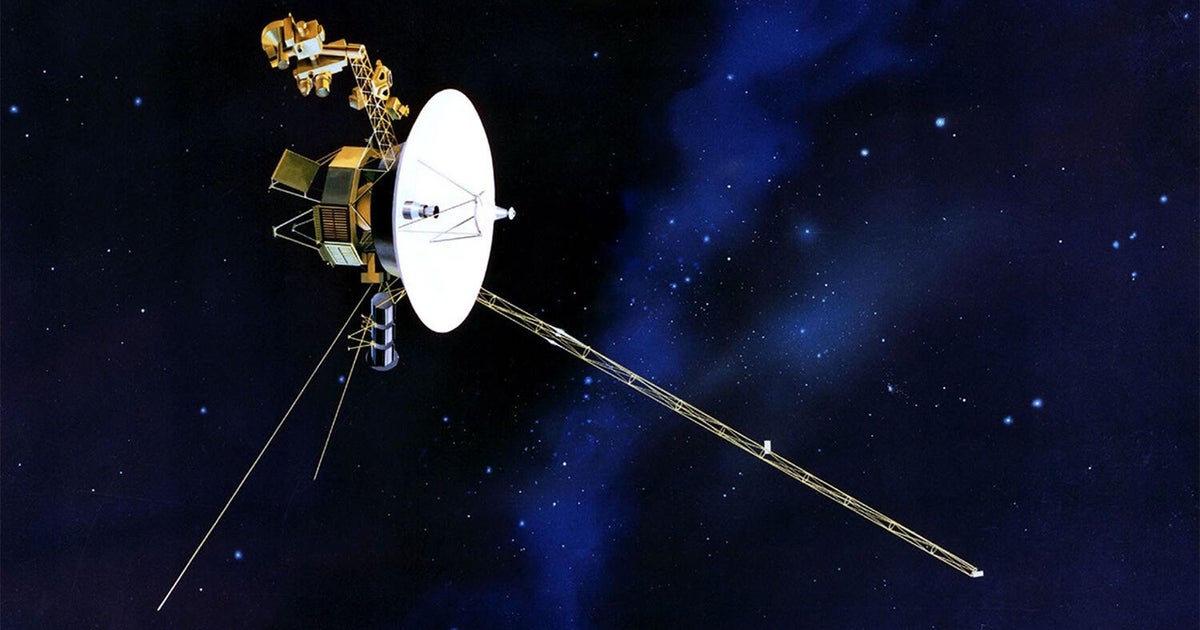
It's not to scale, but Voyager 1 has come a long way in nearly 50 years. asserted
Voyager → scale → years
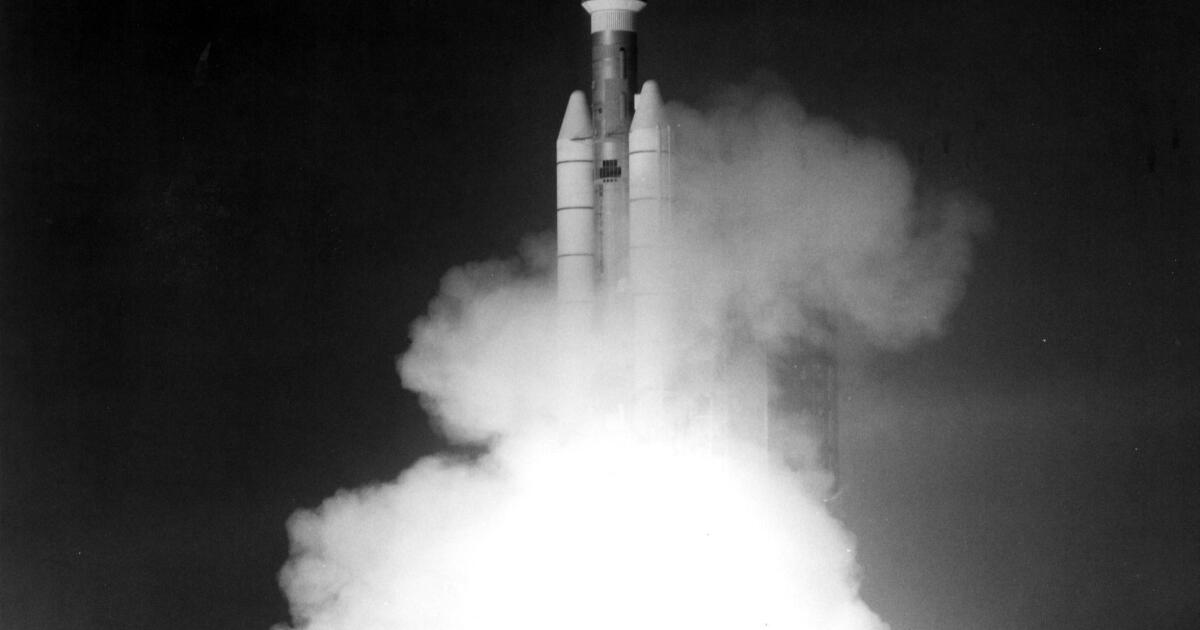
Launched in 1977, Voyager 1 was meant to study the gas giants of our solar system, Jupiter and Saturn. asserted
Voyager → launch → system
But by 1998, it continued on past them, becoming the farthest human-made object ever. asserted
it → continue → them
It reached interstellar space — the region just outside the sun’s magnetic influence known as the heliopause — back in 2012, at a distance of 18 billion kilometres. asserted
It → reach → kilometres
Now, it’s more than 26 billion kilometres away. asserted
it → ’ → ?
“When we're talking about these scales, it really reminds us just how big space is,” said Bethany Downer, who works on the communications team for the Hubble and James Webb space telescopes, “and how impressive it is that something relatively small that we constructed is able to keep going indefinitely that way.” Are we alone? asserted
we → talk → that
Institute searching for alien signals is using a new way to answer that age-old question A spacewalk to remember: Canadian astronaut Joshua Kutryk says seeing Earth 'changed' him Still working, talking Arguably, being a “light day” away is an arbitrary threshold, as there’s no new physical boundary or change to Voyager 1 itself. asserted
being → search → Voyager
But experts say it’s remarkable because it’s still plugging along on its mission while communicating with Earth. asserted
it → say → Earth
“It's not operating, of course, as much as it used to be. asserted
it → operate → course
There aren't as many instruments on board that are capturing science,” Downer said. asserted
Downer → be → science
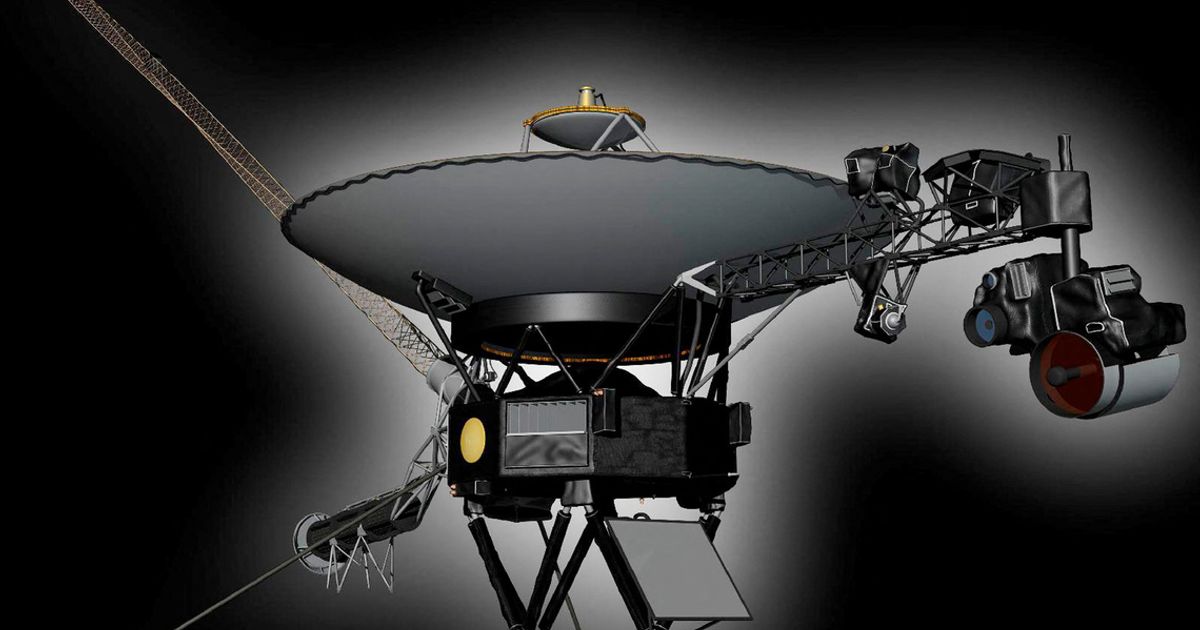
Voyager 1’s power is generated by the heat from the natural decay of plutonium. asserted
power → generate → plutonium
As that power has dwindled over nearly half a century, most of its science instruments have been shut down, the latest being the LCEP, which measured low-energy charged particles. asserted
which → dwindle → particles
There are two instruments that still work, one for measuring plasma waves and the other for magnetic fields. asserted
that → be → fields
“This tells us a lot about how stars form and how the distance between stars is not empty space, but filled with exciting particles and physics that we didn't really know about very well until Voyager,” Rhodes told CBC News from Pasadena, Calif. Each of NASA's Voyager probes are equipped with three radioisotope thermoelectric generators (RTGs), including the one shown here. asserted
Each → tell → one
The RTGs provide power for the spacecraft by converting the heat generated by the decay of plutonium-238 into electricity. asserted
RTGs → provide → electricity
Those instruments communicate to Earth via the deep space network, antennas located at multiple sites around the world dedicated to keeping continuous communication with spacecraft. asserted
instruments → communicate → spacecraft
Though Voyager 1’s signals are faint, it’s clear there’s a pretty big message we want to hear. asserted
we → ’ → ?
“Most important thing is: 'I'm still turned on, I'm still operating,'" Downer told CBC News from St. John’s. asserted
Downer → turn → John
Going but never gone NASA expects Voyager 1 (and its sibling Voyager 2, launched the same year but on a different path) to continue being able to send messages for another decade, but Rhodes says there’s no definite endpoint as teams continue to work on energy-saving measures to try and extend it. asserted
teams → go → it
“Both have a golden record,” Rhodes said, “and it's made of gold because that's a metal that won't tarnish or rust or decay. asserted
that → have → gold
Effectively a time capsule, the golden records capture a cross-section of sounds from humanity, from greetings in 55 different languages to music to natural sounds of the earth, including thunder and humpback whales. asserted
records → capture → thunder
If you’re wondering how anyone might know how to play it, there are instructions. uncertain
anyone → wonder → it
If you’re wondering who might play it, well, they’d have to think a little like us. uncertain
they → wonder → us
They also contain a message in Morse code, said Downer: "Ad astra per aspera," or "To the stars, through hardships. asserted
Downer → contain → hardships
While the long road continues for Voyager 1, it’s already provided deep insights into our solar system. asserted
it → continue → system
Not least of which, an insight into ourselves, from this image taken in 1990 by Voyager 1 from six billion kilometres away. asserted
least → take → Voyager
The Pale Blue Dot is a photograph of Earth taken Feb. 14, 1990, by NASA’s Voyager 1 at a distance of 3.7 billion miles (6 billion kilometers) from the Sun. asserted
Dot → take → Sun
Known as the Pale Blue Dot, it shows Earth as a tiny speck, bathed in a beam of light. asserted
it → know → light
Taken at the request of American astronomer Carl Sagan, he immortalized the significance of being so insignificant in his book of the same name. asserted
he → take → name
That’s here. asserted
That → ’ → ?
That’s home. asserted
That → ’ → ?
That’s us.” asserted
That → ’ → ?
Give feedback · no sign-in needed

No sign-in needed for now. Your note is sent without a name, so it cannot be answered.

History Support