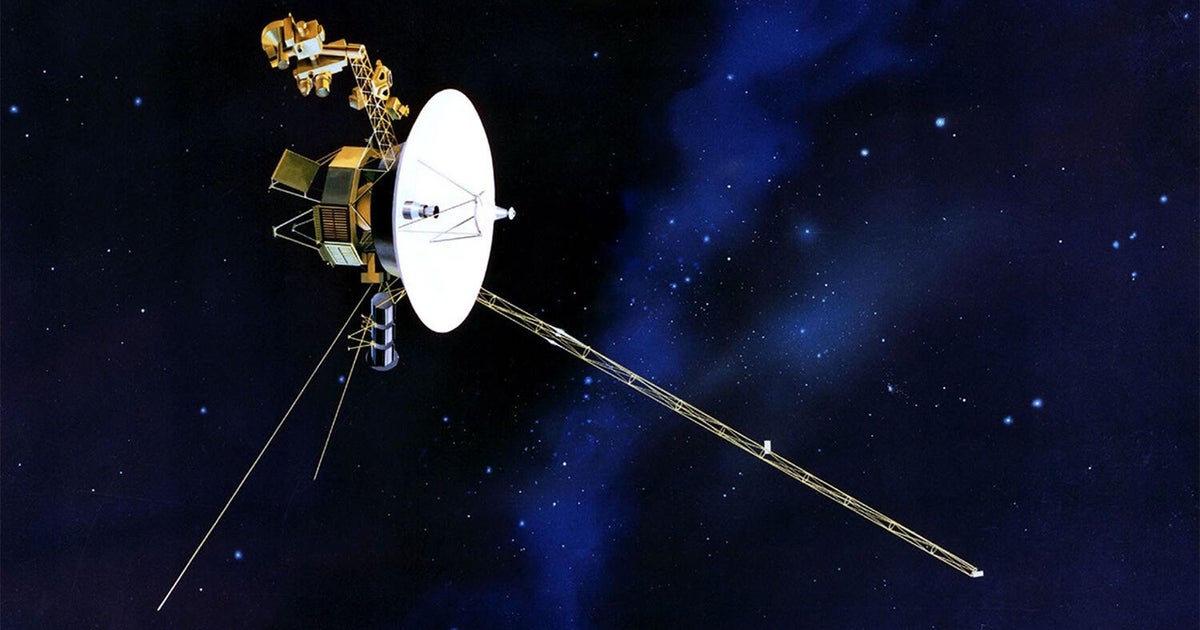
Photo via The Straits Times

NASA Voyager 1 probe believed to have reached 'light-day' milestone

Read the original at The Straits Times ↗
Cite

The Straits Times. (2026, November 18). NASA Voyager 1 probe believed to have reached 'light-day' milestone. The Straits Times. https://www.straitstimes.com/world/nasa-voyager-1-probe-believed-to-have-reached-light-day-milestone

Dated from the outlet's own feed. Check the original for its byline.

The Straits Times · collected 2026-11-18 · by The Straits Times

Quick Summary

NASA's Voyager 1 probe is believed to have reached a distance of one light-day from Earth, approximately 16 billion miles, on November 18. Launched in 1977, Voyager 1 entered interstellar space in 2012 and continues to gather scientific data, including measurements of magnetic fields, cosmic rays, and plasma waves. Officials at NASA's Jet Propulsion Laboratory will confirm the milestone once they receive a signal from the probe, expected around a day later.
Written by AI on 2026-11-18, from this article's own text only (the story summary below draws on all the coverage).
See how they differ ↓

AI analysis

Story summary

NASA’s Voyager 1 has reached a distance of one light-day from Earth, marking the farthest distance any human-made object has ever traveled. This milestone, achieved on November 18, 2026, means that the spacecraft’s radio signals took exactly 24 hours to reach Earth, indicating a distance of over 16 billion miles (26 billion kilometers). Launched in 1977, Voyager 1 has been operational for 49 years and has traveled beyond the solar system into interstellar space. To celebrate, NASA encouraged people to use Morse code to flash the letters V-G-R into the night sky, representing Voyager’s call sign, creating a wave of light on November 17.

Written for “NASA Voyager 1 Reaches One Light-Day Milestone” on 2026-11-21, grounded in this article and the 18 other(s) covering the same event.

How they differ

16 outlets covered “NASA Voyager 1 Reaches One Light-Day Milestone”.

What each outlet says

One AI summary per outlet of its latest article on this story, written from that article alone and checked against it. Open the article for the outlet's own words.

The Straits TimesThis outlet18 Nov

NASA's Voyager 1 probe is believed to have reached a distance of one light-day from Earth, approximately 16 billion miles, on November 18. Launched in 1977, Voyager 1 entered interstellar space in 2012 and continues to gather scientific data, including measurements of magnetic fields, cosmic rays, and plasma waves. Officials at NASA's Jet Propulsion Laboratory will confirm the milestone once they receive a signal…

NASA Voyager 1 probe believed to have reached 'light-day' milestone (this article)
Al Jazeera18 Nov

NASA’s Voyager 1 has traveled for 49 years and is now more than 16 billion miles from Earth, marking a new milestone as it is one light-day away. This means radio signals sent from Earth take 24 hours to reach the spacecraft, which continues to transmit data from interstellar space.

Voyager 1 reaches one light-day from Earth after 49 years in space →2 articles from Al Jazeera on this story
The Hindu18 Nov

NASA’s Voyager 1 probe reached a distance of one light-day from Earth on November 18, 2026, at 5:16 a.m. ET, approximately 16 billion miles away. The probe, launched in 1977, is now in interstellar space, and confirmation of this milestone will be discussed at an event on November 19. Project manager Suzanne Dodd noted that reaching this distance is an unexpected achievement, with the probe continuing to transmit…

NASA Voyager 1 probe believed to have reached ‘light-day’ milestone →2 articles from The Hindu on this story
Toronto Star14 Nov

NASA’s Voyager 1 is set to reach one light-day from Earth on Wednesday, marking a new distance record in interstellar space. Launched 49 years ago, the spacecraft will be over 16 billion miles away from Earth, and its radio signals will take exactly 24 hours to reach us. NASA project manager Suzanne Dodd considers Voyager 1 a "national treasure," and the organization is encouraging people worldwide to participate in…

NASA's Voyager 1 closes in on a light-day in interstellar space for a new distance record →
Los Angeles Times17 Nov

NASA’s Voyager 1 space probe is about to reach a distance where its signals will take a full day to travel from the spacecraft to Earth, marking a new engineering milestone expected around 2:16 a.m. Wednesday. Launched nearly 50 years ago, Voyager 1 has been traveling at 38,000 miles per hour and is now approximately 16 billion miles from Earth. Alan Cummings, a senior research scientist who has worked on the…

NASA's Voyager 1 will soon be so far away that its messages take a day to reach Earth →
Show 9 more outlets
ABC News (AU)17 Nov

NASA's Voyager 1 spacecraft is set to reach a distance of one light-day from Earth, or 25.9 billion kilometers, at 9:16 pm AEDT on November 18. Launched in 1977, Voyager 1 is now the farthest human-made object from Earth and has entered interstellar space. Project scientist Linda Spilker highlights the significance of this milestone, noting that Voyager 1's journey, originally intended to last only a decade, has…

NASA's Voyager 1 probe to reach historic light-day milestone today →
CBS News18 Nov

NASA's Voyager 1 probe, launched in 1977, set a new distance record of one light day from Earth, which is more than 16 billion miles, on Wednesday. This makes it the farthest human-made object from Earth. Voyager 1 and its sister ship, Voyager 2, which reached interstellar space in 2018, continue to transmit data about interstellar space despite declining power levels. Voyager 1's signal, traveling at the speed of…

Voyager 1 sets new distance record of one "light day" from Earth →
The Daily Wire18 Nov

The article discusses Voyager 1, which was launched on September 5, 1977, and is now one light-day (approximately 16.1 billion miles) from Earth. The author reflects on the significance of Voyager 1’s mission, which explored Jupiter and Saturn before leaving the solar system in 2012. The piece contrasts the technological achievement with current global issues, emphasizing the remarkable feat of human exploration and…

Voyager 1: In A World Gone Mad, Remember What Humanity Can Do →
CBC18 Nov

Voyager 1, launched in 1977, has reached a distance of 26 billion kilometers from Earth, marking a new milestone where it takes light one full day to travel from Earth to the spacecraft. This achievement underscores the vast scale of space and the longevity of human-made technology. Despite its age, Voyager 1 continues to communicate with Earth and operate two of its original instruments, which measure plasma waves…

The new milestone Voyager 1 just crossed in interstellar space →
The Guardian18 Nov

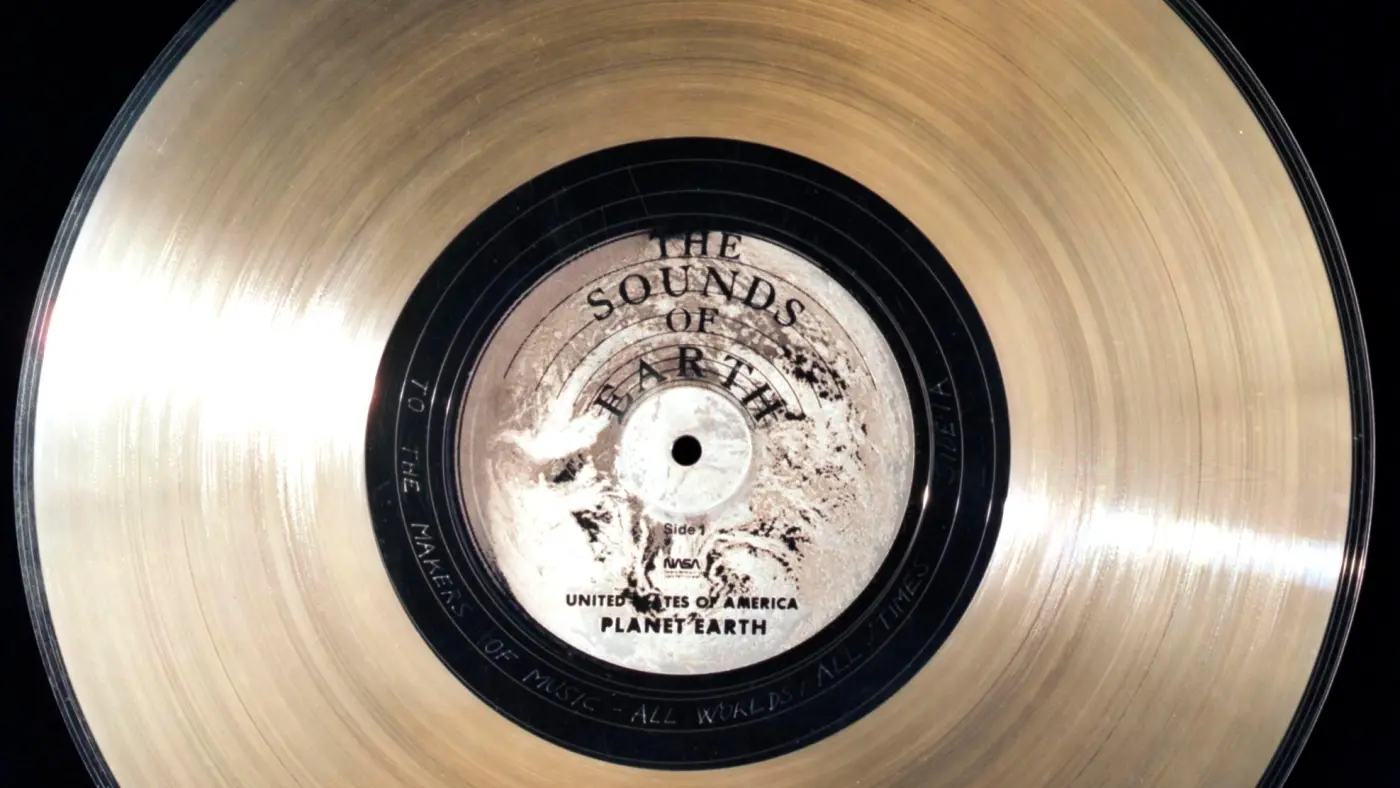
NASA’s Voyager 1 probe, launched in September 1977, has traveled for 49 years at a speed of 37,800 miles per hour and is now one light-day (16.1 billion miles) away from Earth. It took photos of Jupiter and Saturn before exiting the solar system’s protective heliopause in 2012. Voyager carries a golden record containing Earth’s cultural messages, including music, greetings in 55 languages, and images. In 1990, at…

After 49 years, Nasa’s Voyager 1 is one light-day away from us. Can we save this ‘pale blue dot’? | →
NBC News18 Nov

NASA’s Voyager spacecraft has reached a historic milestone, being the first human-made object to be one full light day away from Earth. This means it would take light, traveling at 670 million miles per hour, 24 hours to reach the spacecraft. Tom Costello of NBC reports on TODAY about the spacecraft's long and remarkable journey through space.

NASA Voyager Reaches One Full Light Day From Earth →
The Globe and Mail19 Nov

NASA’s Voyager 1 spacecraft has reached a distance of one light-day from Earth, marking a new milestone in its journey through interstellar space. The signal from the spacecraft, sent 24 hours earlier, traveled approximately 26 billion kilometers at the speed of light before being received by flight controllers at California’s Jet Propulsion Laboratory on Thursday. Launched in 1977, Voyager 1 has been transmitting…

NASA’s Voyager 1 is an awe-inspiring one light-day away from Earth →
Times of India20 Nov

NASA's Voyager 1 spacecraft has communicated with Earth from a distance of one light-day, which is approximately 16 billion miles. The signal took exactly 24 hours to travel from Voyager 1 to antennas near Madrid, Spain, and was confirmed by flight controllers at NASA’s Jet Propulsion Laboratory on Thursday. This achievement marks a new milestone in Voyager 1’s nearly 49-year journey, during which it has flown past…

Hello, Earth! Nasa's Voyager 1 phones home from beyond 16 billion miles →
Toronto Sun20 Nov

NASA’s Voyager 1 probe has reached one light-day from Earth, marking a historic milestone as the farthest human-made object from our planet. This distance is approximately 26 billion kilometers, and Voyager 1 has held this distinction since surpassing Pioneer 10 in 1998. Launched in September 1977, Voyager 1 was designed to operate for only five years but continues to function nearly 10 times longer than initially…

NASA’s Voyager 1 reaches one light-day from Earth in historic milestone →

Where they agree and split

Agreed

Reported by outlets on both sides of the middle

To celebrate this moment, NASA is urging people from all corners to grab their phone or a flashlight to create a wave of golden light after sunset Tuesday, using Morse code to spell the letters V-G-R, Voyager’s call sign, into the night sky.

4 outlets

Framing

How the first headlines put it

Stated as fact2
The headlines (2)

NASA's Voyager 1 closes in on a light-day in interstellar space for a new distance record Toronto Star · stated as fact

NASA’s Voyager 1 to hit new space distance record of one light-day Al Jazeera · stated as fact

The full story: what happened, how it changed, and all 19 articles →

Compared with similar articles

This article reads unscored and hedges 18% of its claims. Each row says how that neighbour differs.
The Hindu
Hedges 4 of 21 claims Outlet record 78/100
Al Jazeera
Hedges 0 of 2 claims Outlet record 60/100
Al Jazeera
Hedges 0 of 13 claims Outlet record 60/100
Toronto Sun
Hedges 2 of 27 claims Outlet record 96/100
NBC News
Hedges 0 of 2 claims Outlet record 78/100
NPR
Hedges 1 of 22 claims Outlet record 60/100
Los Angeles Times
Hedges 1 of 35 claims Outlet record 95/100
ABC News (AU)
Hedges 4 of 47 claims Outlet record 67/100
The Hindu
Hedges 2 of 25 claims Outlet record 78/100
CBS News
Hedges 1 of 51 claims Outlet record 66/100

Story

NASA Voyager 1 Reaches One Light-Day Milestone
Science · 19 article(s) covering the same event. Compare every outlet's account →
How this article was measured signals, leaning charts, publisher record, byline, topics and claims

Signals How these are calculated →

Claims extracted
22
sentences that state something as happening or true
Uncertain
18%
4 of 22 hedged ("reportedly", "may", "according to")
Leaning
not political
takes no side on a contested political question
Publisher signals
64/100
The Straits Times's corrections and hedging, across everything collected from it. Not a measure of accuracy.
Outlets on this story
19
Science
Same framing elsewhere
1
articles that frame the event the way this one does
Analyzed 2026-11-18 · how these are computed

How this is being covered How these are calculated →

Article leaning vs. publisher reliability
Source leaning vs. consistency

Publisher

The Straits Times · 5634 article(s) · 7 correction(s) detected
Running correction rate · 7 correction(s)

Who wrote this

The Straits Times
3888 article(s) here · 1 carrying a prediction
He told groups of subordinates that they had become so rich that he couldn’t motivate them simply with money, according to three people who spoke on the condition of anonymity to discuss confidential conversations.
The closed freeway lanes recall stems from unusual circumstances where a Waymo vehicle may enter and continue driving in a closed freeway lane, the company said, adding it is still working on the recall remedy.
Araqchi says Iran wants diplomacy to end war; Trump says terms unacceptable Nov 20 - Iran's Foreign Minister Abbas Araqchi said Tehran still hoped diplomacy could end its war with the United States, while US President Donald Trump said Iran wanted a deal but one that was not acceptable to him.
While You Were Sleeping: 5 stories you might have missed, Nov 21, 2026 Trump, Xi agree military AI decisions should involve humans US President Donald Trump and Chinese President Xi Jinping agreed humans should always be involved in military decisions that use artificial intelligence technologies, even as the two countries compete for AI supremacy, Treasury Secretary Scott Bessent said on Nov 20.
US Vice President Vance declines to say he would have ordered Iran strikes WASHINGTON, Nov 20 - US Vice President JD Vance on Friday declined to say whether he would have authorized strikes on Iran to prevent the country from developing a nuclear weapon, sidestepping President Donald Trump's calls for him to say the attacks were necessary and that he would carry them out again.
Some would blame Ottawa for the trade conflict while others pointed the finger at Washington.
Whoever wins will have to tackle multiple crises, including several wars, cutbacks in US contributions to the UN, and the 193-member body's declining political relevance as Washington has pulled out of dozens of its agencies.
I don’t think any human was about to find this,” Conrey said, adding that he believed “there will be simpler ways to do it.” The Riemann Hypothesis is one of seven Millennium Prize Problems selected by the Clay Mathematics Institute in 2000, which offers US$1 million (S$1.28 million) for a solution to each. Under the institute’s rules, a solution must be published in a peer-reviewed journal and withstand two years of scrutiny.
If the hearing proceeds as planned, it would mark Huang's first public testimony since stepping down as Nvidia's chief executive on November 12.
Denmark’s foreign minister on Nov 20 said Moscow’s defence attache in Copenhagen would be expelled after Russia was suspected of being behind an attempted assassination of a Ukrainian rapper.
Also by The Straits Times
Nothing else under this byline is closely related to this article, so these are simply their most recent.
All 3888 articles by The Straits Times →

Topics

Jet Propulsion Laboratory NASA Voyager Voyager 1 the Deep Space Network

Subjects

NASA ORG · 5× Dodd PERSON · 3× Jet Propulsion Laboratory ORG · 2× the Deep Space Network ORG · 2× California GPE · 1× JPL ORG · 1× REUTERS ORG · 1× Suzanne Dodd PERSON · 1× WASHINGTON GPE · 1×

Narrative

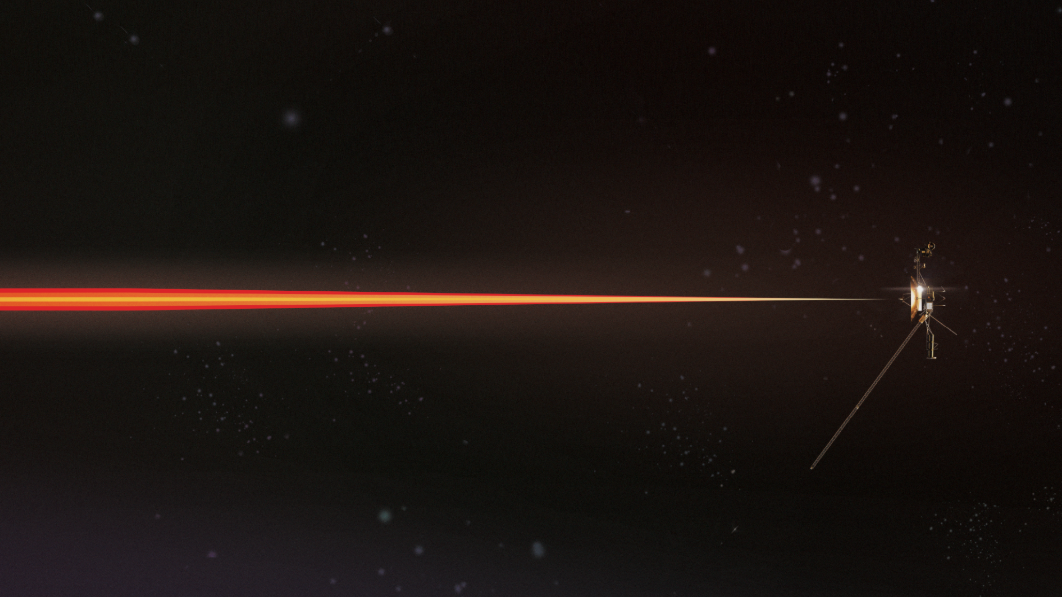
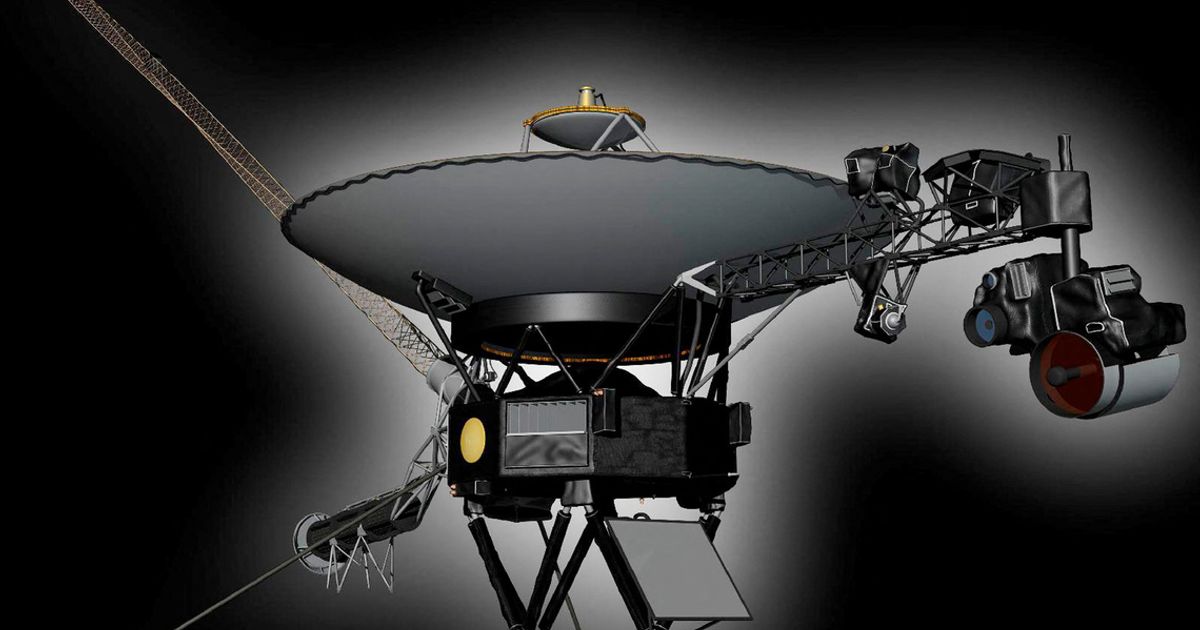
NASA's Voyager 1 probe is believed to have now hit a distance milestone accomplished by no other spacecraft from Earth, based on advance computations by the US space agency, as the probe ventures through the near-emptiness of interstellar space.
framing: assertive · carried by 1 article(s) · first seen 2026-11-18
Officials at NASA's Jet Propulsion Laboratory in California will have to wait about a day to get a signal from the probe, confirming it has reached this distance.
2026-11-18 · The Straits Times
NASA Voyager 1 probe believed to have reached 'light-day' milestone · assertive framing

Claims (22 extracted, 4 hedged)

NASA Voyager 1 probe believed to have reached 'light-day' milestone WASHINGTON, Nov 18 - asserted
probe → believe → milestone
NASA's Voyager 1 probe is believed to have now hit a distance milestone accomplished by no other spacecraft from Earth, based on advance computations by the US space agency, as the probe ventures through the near-emptiness of interstellar space. asserted
probe → believe → space
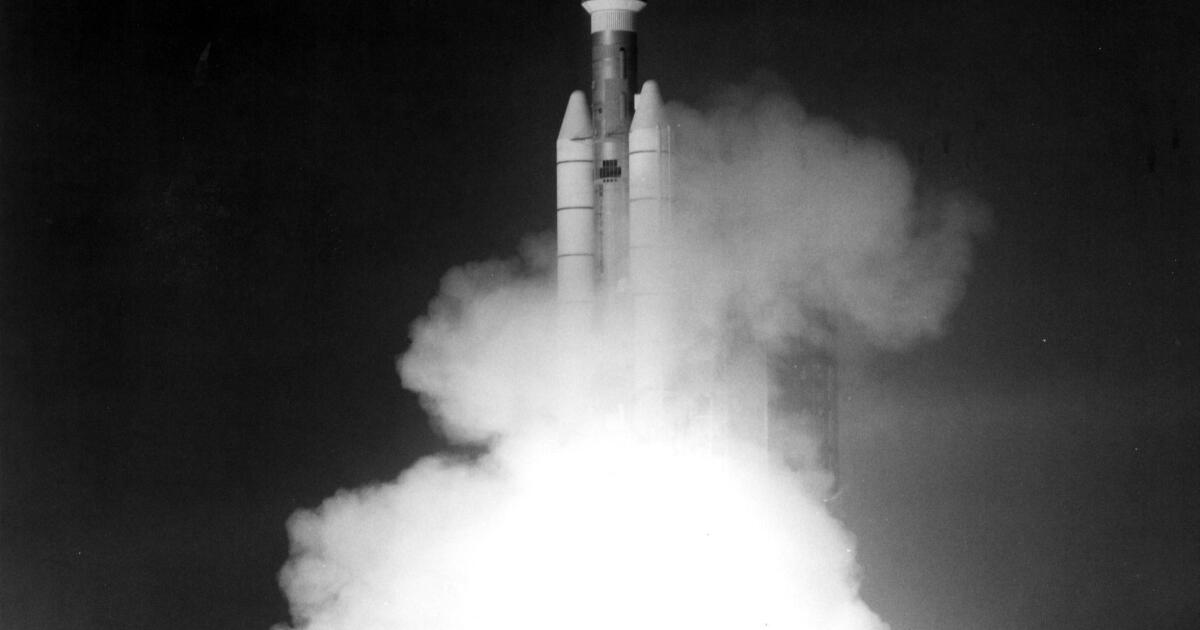
The robotic probe, launched in 1977, was calculated by NASA to have reached a light-day from Earth, the distance that light travels in 24 hours — about 16 billion miles (26 billion km) — on Wednesday at 5:16 a.m. ET (1016 GMT). asserted
light → launch → a.m.
Officials at NASA's Jet Propulsion Laboratory in California will have to wait about a day to get a signal from the probe, confirming it has reached this distance. asserted
it → have → distance
They have scheduled an event for Thursday to discuss the milestone. asserted
They → schedule → milestone
"Reaching one light-day is an astounding feat, one that I never expected to see," Voyager project manager Suzanne Dodd said. asserted
Dodd → reach → that
Voyager 1, the most distant human-made object, is flying at almost 38,000 miles per hour (61,000 kph). asserted
Voyager → make → hour
It crossed the outer edge of the heliosphere, a protective bubble of particles and magnetic fields produced by the sun, to enter interstellar space in 2012. asserted
It → cross → 2012
Its twin, Voyager 2, was also launched in 1977 and entered interstellar space in 2018. asserted
twin → launch → 2018
A Jet Propulsion Laboratory representative said recent power-saving measures could give the two Voyager spacecraft enough power to stay in communication with Earth for three to four more years. uncertain
measures → say → years
"But the goal of the mission is to do science, and there is enough power to keep the current suite of instruments going through the 50th launch anniversary next year. asserted
goal → do → anniversary
Beyond that is hard to predict, and of course these are nearly 50-year-old spacecraft, and there are always things the team cannot anticipate that might happen," the JPL representative said. uncertain
representative → predict → course
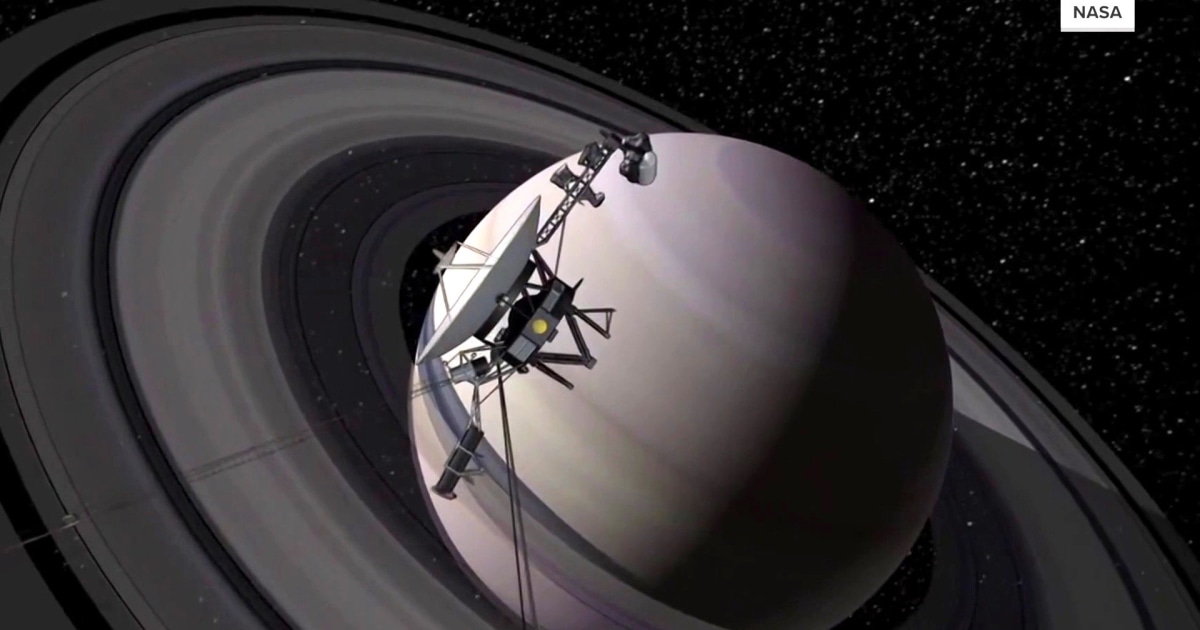
Voyager 1 journeyed past Jupiter and Saturn, the solar system's two largest planets, earlier in its mission. asserted
Voyager → journey → mission
It continues to gather scientific data. asserted
It → continue → data
For instance, its instruments have detected the faint monotonous hum caused by the constant vibrations of the small amounts of gas present in interstellar space. asserted
instruments → detect → space
"Voyager is sending back continuous measurements of magnetic fields, cosmic rays and of plasma waves that we receive on Earth whenever the Deep Space Network points its antenna at Voyager," Dodd said. asserted
Dodd → send → Voyager
The Deep Space Network is NASA's international array of giant radio antennas supporting interplanetary spacecraft missions. asserted
Network → support → missions
"After the heliopause crossing, the magnetic field direction did not rotate into the interstellar direction as expected, but has maintained the direction it had when both Voyagers crossed the heliopause, a direction governed by our sun. asserted
Voyagers → rotate → sun
We are watching to see when that rotation might occur," Dodd said. uncertain
Dodd → watch → ?
"We also are still observing effects from our sun, including strong solar storms like coronal mass ejections, that generate shocks and pressure fronts that reach as far away as Voyager 1 and beyond," Dodd said. asserted
Dodd → observe → Voyager
"Where does the sun's influence end and pristine interstellar space begin? asserted
space → end → ?
Perhaps Voyager may last long enough to answer that question." uncertain
Voyager → last → question
Give feedback · no sign-in needed

No sign-in needed for now. Your note is sent without a name, so it cannot be answered.

History Support