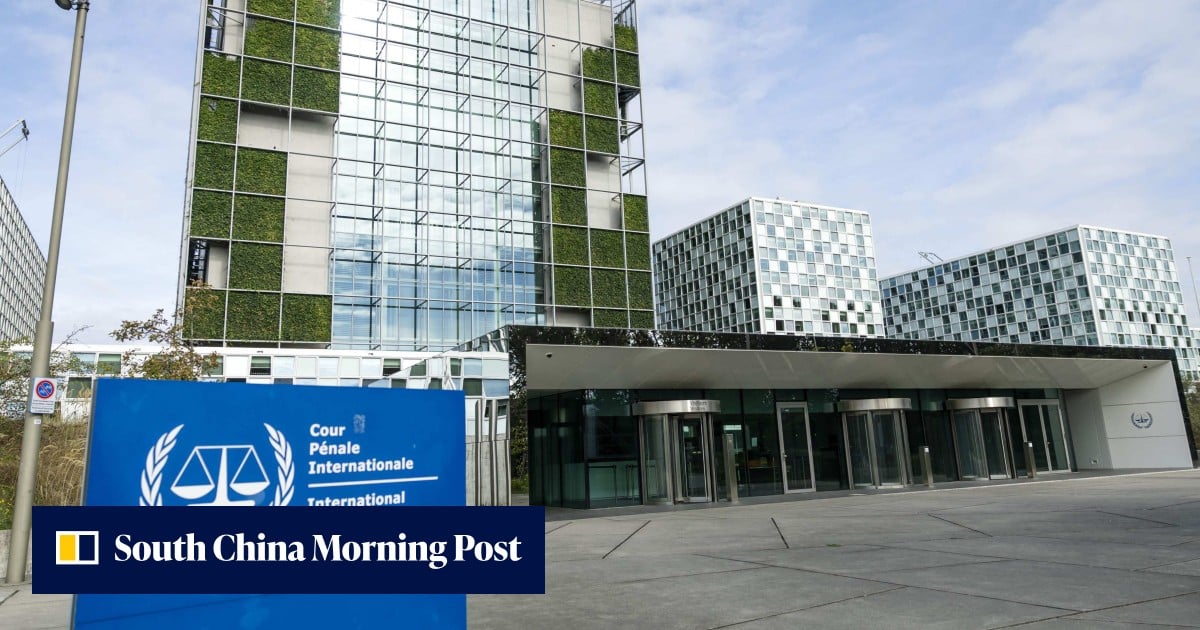
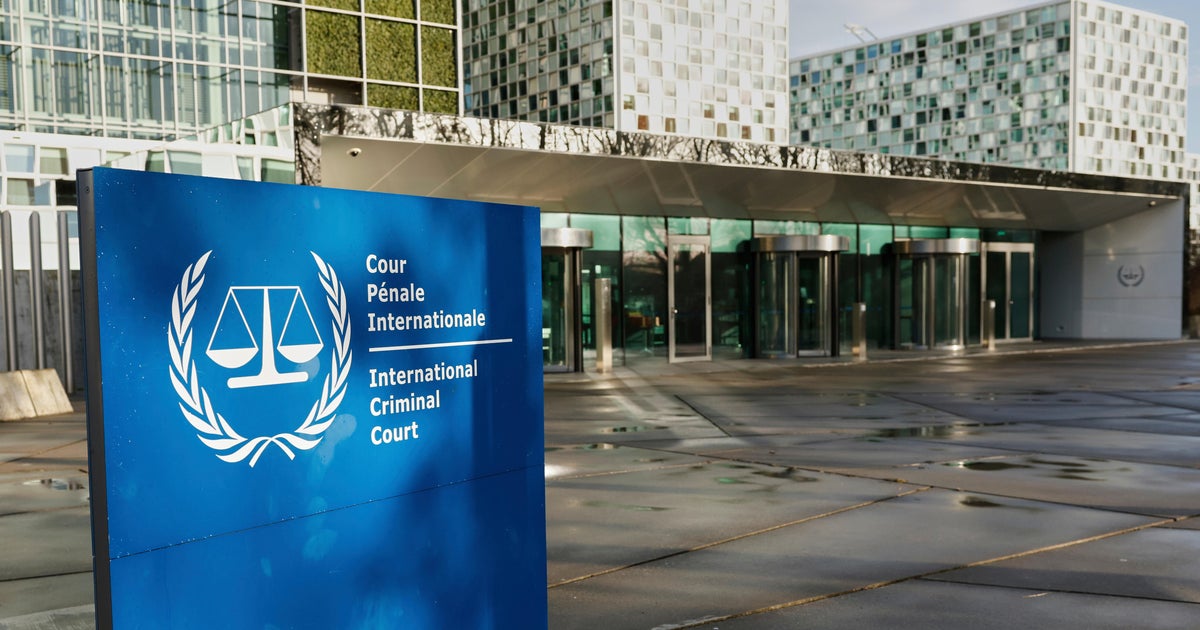
Photo via The Straits Times

ICC urges members to make sure it can continue despite US sanctions

Read the original at The Straits Times ↗
Cite

The Straits Times. (2026, October 9). ICC urges members to make sure it can continue despite US sanctions. The Straits Times. https://www.straitstimes.com/world/europe/icc-urges-members-to-make-sure-it-can-continue-despite-us-sanctions

Dated when The Aporia collected the article, usually within hours of publication. Check the original for its exact date and byline.

The Straits Times · collected 2026-10-09 · by The Straits Times

Quick Summary

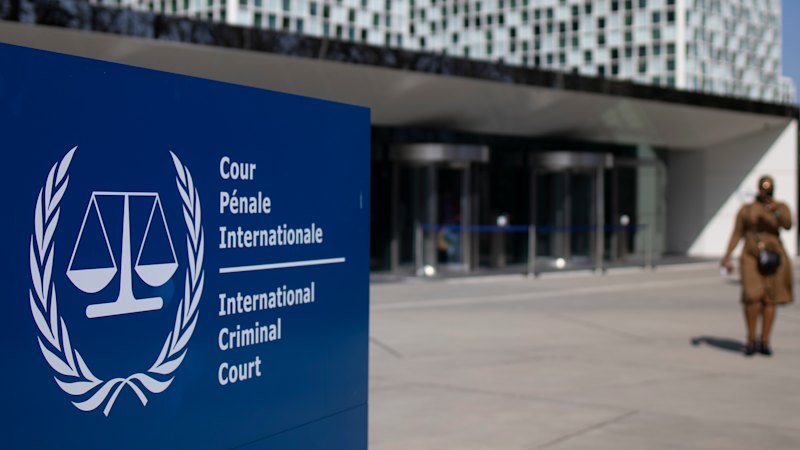
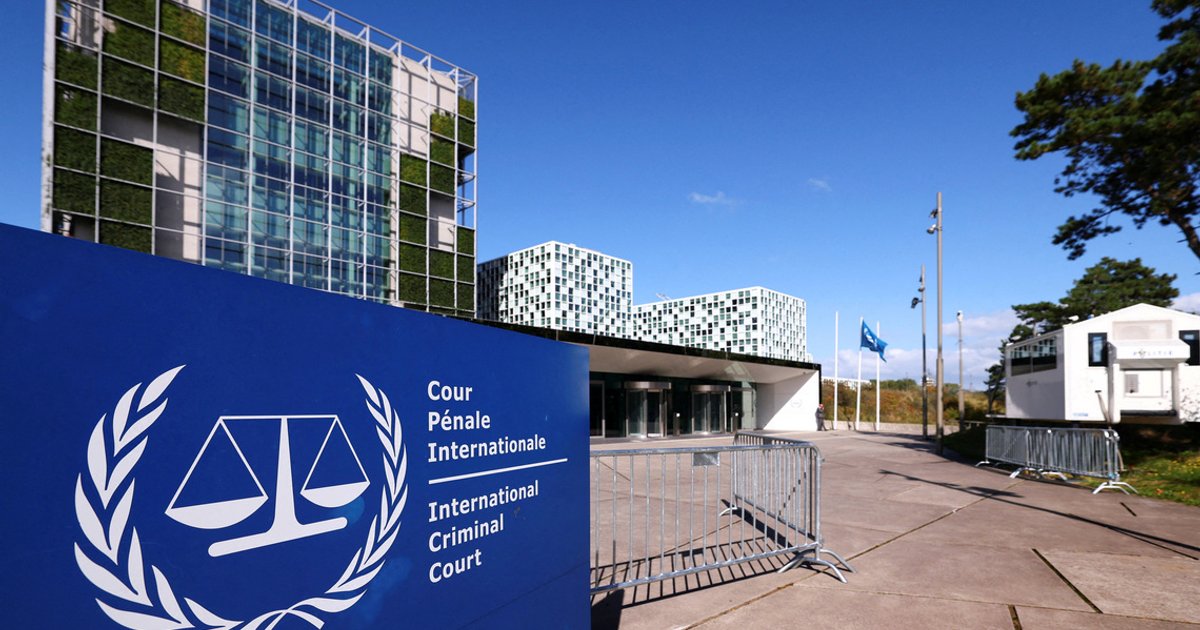
On October 9, the International Criminal Court (ICC) in The Hague condemned US sanctions targeting the court and appealed to its member states for support to ensure it can continue operating effectively. The ICC stressed that these sanctions represent an attack on international justice and called upon its members to provide necessary resources for the court’s continued function, emphasizing the importance of upholding global legal order.
Written by AI on 2026-10-09, from this article's own text only (the story summary below draws on all the coverage).
See how they differ ↓

AI analysis

Story summary

On October 9, 2026, the U.S. State Department imposed new sanctions on the International Criminal Court (ICC) in response to its attempts to charge American service members for war crimes. Secretary of State Marco Rubio announced these sanctions via a video address, declaring that the United States would ban transactions with what he called a "rogue court," aiming to cut off its funding and hinder its operations. The sanctions block any assets the ICC might have in U.S. jurisdictions and set a six-month timeline for U.S. companies to wind down business with the court.

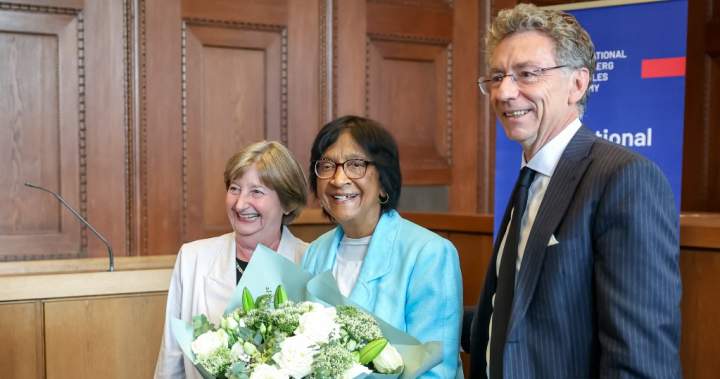
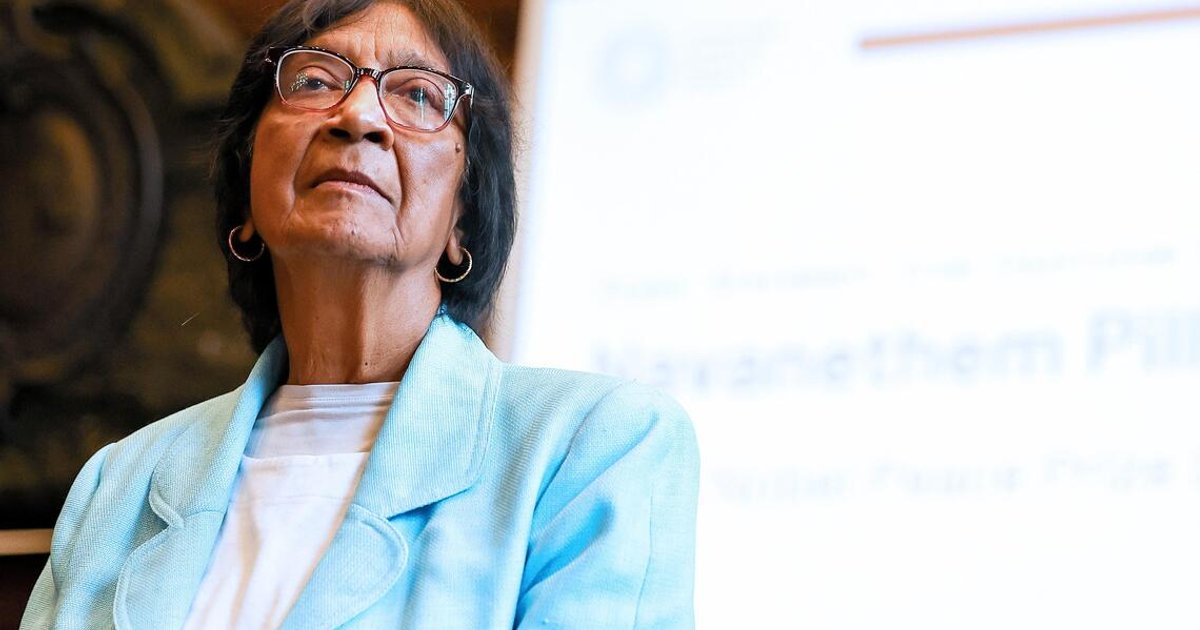
The move came just hours after former South African prosecutor Navi Pillay, who had led investigations into potential ICC charges against U.S. troops in Iraq and Afghanistan, was awarded the Nobel Peace Prize. The sanctions were met with condemnation from ICC Deputy Prosecutor Nazhat Shameem Khan, who stated that they would not halt the tribunal's work.

The Trump administration has long been hostile toward the court, having previously sanctioned its prosecutors and judges but now going further by potentially punishing companies providing services to the ICC itself. Pillay, in an interview on October 14, called these sanctions "illegal" and urged U.S. President Donald Trump to consult legal advisors about international law.

Written for “US Sanctions Against ICC” on 2026-11-20, grounded in this article and the 19 other(s) covering the same event.

How they differ

15 outlets covered “US Sanctions Against ICC”.

What each outlet says

One AI summary per outlet of its latest article on this story, written from that article alone and checked against it. Open the article for the outlet's own words.

The Straits TimesThis outlet9 Oct

On October 9, the International Criminal Court (ICC) in The Hague condemned US sanctions targeting the court and appealed to its member states for support to ensure it can continue operating effectively. The ICC stressed that these sanctions represent an attack on international justice and called upon its members to provide necessary resources for the court’s continued function, emphasizing the importance of…

ICC urges members to make sure it can continue despite US sanctions (this article)3 articles from The Straits Times on this story
Dawn14 Oct

Nobel Peace Prize winner Navi Pillay criticized former US President Donald Trump’s sanctions against the International Criminal Court (ICC), calling them illegal and a reaction to her award. The sanctions, announced on Friday, aim to hinder the ICC's operations by targeting its technology and banking systems, with Dutch Prime Minister Rob Jetten urging talks to discuss reforms before they take effect in six months…

Nobel Peace Prize winner Navi Pillay blasts Trump's 'unlawful' sanctions against ICC →3 articles from Dawn on this story
BBC10 Oct

Navi Pillay, a Nobel Peace Prize laureate for her work promoting international law and peace, has criticized US sanctions on the International Criminal Court (ICC) as "unacceptable" and unprecedented. The sanctions, announced after President Trump expressed dissatisfaction with Pillay's award, target ICC judges and officials to discourage investigations involving Americans. While the US offers a grace period before…

Nobel peace laureate says US sanctions on ICC 'unacceptable' →2 articles from BBC on this story
New York Post8 Oct

The US State Department plans to implement additional sanctions against the International Criminal Court due to its investigations involving American service members. An internal memo details longstanding U.S. concerns over not being a signatory to the court’s founding treaty, emphasizing that the ICC has positioned itself above nation-states and threatens American sovereignty. The sanctions follow Secretary of…

US slapping fresh sanctions on ‘unaccountable’ International Criminal Court →
South China Morning Post9 Oct

The US has imposed sanctions on the International Criminal Court (ICC), targeting companies providing services to the court, shortly after an ex-ICC judge won a Nobel prize. The Trump administration’s action includes condemning ICC officials and could affect businesses involved with the court. Secretary of State Marco Rubio stated that President Trump will not permit the ICC to prosecute Americans.

US slaps sanctions on ICC, hours after ex-judge wins Nobel →
Global News9 Oct

The Trump administration has imposed sanctions against the International Criminal Court (ICC), targeting its financial resources and operations within U.S. jurisdictions. Secretary of State Marco Rubio announced these measures in a video address, arguing that the court is politically motivated and unjustly targets American military personnel. The sanctions require U.S. entities to cease transactions with the ICC…

U.S. sanctions the International Criminal Court in bid to dismantle tribunal →
Show 9 more outlets
The Independent9 Oct

President Trump’s administration has imposed sanctions on the International Criminal Court (ICC) just hours after one of its former judges, Navi Pillay, was awarded the Nobel Peace Prize. The sanctions target companies that provide services to the ICC, aiming to restrict its operations by cutting off financial resources and transactions. Deputy Prosecutor Nazhat Shameem Khan condemned these measures, asserting they…

Trump hits International Criminal Court with sanctions – hours after former judge wins Nobel Peace Prize →
CBC9 Oct

The Trump administration has imposed sanctions on the International Criminal Court (ICC), targeting its resources and operations in response to perceived threats against American and Israeli interests. U.S. Secretary of State Marco Rubio announced these measures, which include a ban on transactions with the ICC within U.S. jurisdictions and a six-month period for U.S. entities to cease dealings with the court. The…

Trump administration hits International Criminal Court with sweeping sanctions →
CBS News9 Oct

The Trump administration has imposed sanctions on the International Criminal Court (ICC), targeting the court itself after previously sanctioning its judges and prosecutors. Secretary of State Marco Rubio vowed to dismantle the ICC if it does not cease its investigations into alleged war crimes by U.S. personnel in Afghanistan and Israeli leaders over actions in Gaza. The sanctions block the ICC's assets under U.S…

U.S. sanctions ICC, vowing to dismantle it "brick by brick" without changes →
Deutsche Welle9 Oct

The US government imposed sanctions on the International Criminal Court (ICC) on Friday as part of a broader effort to undermine its operations. Secretary of State Marco Rubio stated that these measures aim to prevent the ICC from prosecuting Americans and indicated that the United States expects other nations, especially those relying on American military support, to curtail the court’s activities or face further…

US imposes sanctions aiming to 'dismantle' International Criminal Court →
ABC News (AU)9 Oct

The US has imposed sanctions on the International Criminal Court (ICC), hours after one of its former judges received the Nobel Peace Prize. Secretary of State Marco Rubio announced these measures, which will freeze the ICC’s assets in the US and block financial transactions with American companies. The sanctions have been criticized by US allies like Japan, Canada, and the UK, who argue they could cripple the…

US sanctions 'rogue' ICC hours after former judge wins Nobel Peace Prize →
Daily Mail9 Oct

The Trump administration has imposed sanctions on the International Criminal Court (ICC), banning transactions with it and cutting off access to US financial services and technology companies in response to the ICC’s investigation into alleged war crimes committed by U.S. troops in Afghanistan. Secretary of State Marco Rubio labeled the court a 'rogue court' and urged allies to restrict its activities, threatening…

Trump administration announces sweeping sanctions on ICC as Marco Rubio dubs it a 'rogue court' →
Sydney Morning Herald10 Oct

On Friday, the Trump administration announced severe financial sanctions against the International Criminal Court (ICC), threatening transactions with entities doing business with the court after a six-month grace period. Secretary of State Marco Rubio stated the move aims to prevent the ICC from prosecuting Americans and undermining U.S. sovereignty, following President Trump's February 2025 executive order. The…

Trump administration escalates war with International Criminal Court →
The Guardian11 Oct

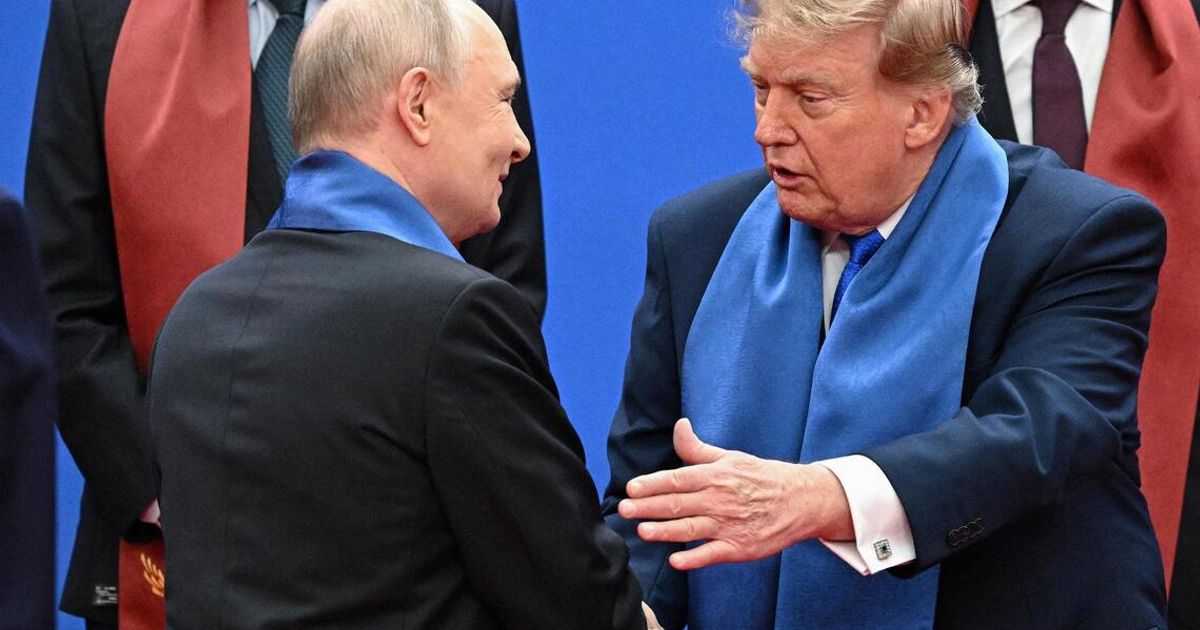
This editorial from The Guardian critiques President Donald Trump's actions, viewing them as a demonstration of his disregard for international law and the rule of law. It highlights Trump's sanctions against the International Criminal Court (ICC) and a deal with Russia to purchase diesel, arguing that these moves undermine global standards. The piece also criticizes Trump’s support for Vladimir Putin despite…

The Guardian view on the US, Russia and the international criminal court: Trump’s assault on the rule of law intensifies | Editorial →

Where they agree and split

Agreed

AI · cited, from two or more outlets

  • The United States is imposing sanctions on the International Criminal Court.12

Framing

How the first headlines put it

  • The New York Post frames the sanctions as a response to an 'unaccountable' ICC, while CBC presents it as part of a broader campaign against the court.12
  • Deutsche Welle emphasizes the US's intent to dismantle the ICC, whereas The New York Post focuses on the threat posed by the ICC to American sovereignty.31
Words to watch (1)

Nobel Peace Prize winner Navi Pillay blasts Trump's 'unlawful' sanctions against ICC Dawn

The full story: what happened, how it changed, and all 20 articles →

Compared with similar articles

This article reads unscored and hedges 0% of its claims. Each row says how that neighbour differs.
South China Morning Post
Leans right Hedges 0 of 5 claims Outlet record 62/100
Global News
Leans strongly right Hedges 1 of 12 claims Outlet record 63/100
CBS News
Hedges 0 of 26 claims Outlet record 67/100
“While both articles discuss sanctions against the ICC, Article A focuses on the ICC's response to US sanctions, whereas Article B emphasizes the announcement and intentions of the Trump administration regarding these sanctions.”
The Straits Times
Hedges 0 of 29 claims Outlet record 64/100
The Hindu
Hedges 1 of 14 claims Outlet record 78/100
“The articles discuss different aspects of the ICC's situation: one focuses on the US sanctions against the ICC, while the other reports on Japan protesting Russia's extradition requests for ICC staff.”
The Sydney Morning Herald
Leans right Hedges 4 of 38 claims Outlet record 61/100
“Article A reports on the ICC's response to US sanctions, while Article B details the announcement of those sanctions by the Trump administration.”
The Straits Times
Leans strongly left Hedges 0 of 16 claims Outlet record 64/100
“While both articles discuss US sanctions on the ICC, Article A is a direct statement from the ICC itself, whereas Article B reports comments made by Nobel laureate Pillay regarding the same issue.”
How the ICC can be saved Different event
Al Jazeera
Leans left Hedges 1 of 47 claims Outlet record 60/100
“Article A describes the ICC's immediate response and statement against US sanctions, while Article B discusses broader implications and potential actions for saving the ICC from those sanctions.”
Dawn
Leans left Hedges 1 of 23 claims Outlet record 67/100
“While both articles discuss US sanctions against the ICC and reactions from the court on the same day, Article A focuses more narrowly on the ICC's statement urging member states to support it, whereas Article B includes additional context about diplomatic relations with European allies and timing relative to a former judge winning the Nobel Peace Prize.”
The Independent
Hedges 0 of 29 claims Outlet record 59/100
“The articles describe related events (US sanctions on the ICC and the ICC's response), but not the same single incident or happening.”

Story

US Sanctions Against ICC
Politics · 20 article(s) covering the same event. Compare every outlet's account →
How this article was measured signals, leaning charts, publisher record, byline, topics and claims

Signals How these are calculated →

Claims extracted
10
sentences that state something as happening or true
Uncertain
0%
0 of 10 hedged ("reportedly", "may", "according to")
Leaning
withheld
no quote in the article backed the model's score
Publisher signals
64/100
The Straits Times's corrections and hedging, across everything collected from it. Not a measure of accuracy.
Outlets on this story
20
Politics
Same framing elsewhere
1
articles that frame the event the way this one does
Analyzed 2026-10-09 · how these are computed

How this is being covered How these are calculated →

Article leaning vs. publisher reliability
Source leaning vs. consistency

Publisher

The Straits Times · 5570 article(s) · 7 correction(s) detected
Running correction rate · 7 correction(s)

Who wrote this

The Straits Times
3829 article(s) here · 1 carrying a prediction
The European leaders were meeting as part of the so-called coalition of the willing, which regularly gathers to discuss ways to protect a postwar Ukraine from future Russian aggression.
US peace negotiator Jared Kushner, at the same event, also said that he and fellow negotiator Steve Witkoff had “gotten the Russians comfortable with the concept that any security guarantee for Ukraine would be based on Article 5”.
Takaichi’s China trip this week was her first since suggesting in 2025 that Japan might intervene militarily if China attempted to take Taiwan by force.
But while some believe the success of the meeting could have a stabilising effect on an international order in turmoil, the broad consensus among analysts is that this first-of-its-kind meeting worked more as a confidence-building exercise between the rival nations rather than an immediate, concrete cure to the world’s ills.
Iraqi security forces will deploy in Jurf al-Sakhar, a stronghold of the Kataib Hezbollah armed group, on Friday, security officials told a press conference, under a compromise deal designed to ease tensions with Iran's most powerful Shi'ite militia ally in the country.
Some analysts said the outcome of the Shenzhen summit may actually diminish Trump’s stature on the world stage as he enters the lame-duck phase of his presidency, while bolstering two of Washington’s main adversaries.
Whether or not the allegation is true, “just the news will definitely influence people’s opinions of women who have broken the ceiling or are trying to.” Asian American women working in tech, civil rights advocacy and academia have felt a sense of dread that this ordeal will diminish how their peers are viewed and treated in their workplaces. It is a reminder that no accomplishments will completely dispel centuries-old stereotypes.
Three killed in missile strikes on Kyiv, mayor says, in biggest attack on bridges
The Bill is backed by both the oil and gas industry and clean energy groups, but opposed by many major environmental organisations. The measure now proceeds to the House of Representatives, where Speaker Mike Johnson, a supporter of the initiative, has predicted he has the votes to pass it. But members on both sides of the aisle, including Minority Leader Hakeem Jeffries, have said they want to make changes to the Bill. Some Republicans, including Representative Chip Roy, policy chair of the ultraconservative House Freedom Caucus, have wavered in their support, saying they have concerns about the legislation’s electric transmission provisions. Some progressive Democrats, meanwhile, have said they oppose the Senate version of the Bill, contending it would weaken environmental laws. Representative Bruce Westerman, the chairman of the House Natural Resources Committee, said on Nov 19 he doubted there would be time to make changes to the Bill before Congress’s term expires at the end of December. “If the Senate gets it done then I think that’s what we’ll have to pass in the House,” Westerman said in an interview before the vote.
Their complaint alleged that supervisors had warned that objections would result in “trouble.”
Also by The Straits Times
Nothing else under this byline is closely related to this article, so these are simply their most recent.
All 3829 articles by The Straits Times →

Topics

Court HAGUE ICC The International Criminal Court the United States

Subjects

Court ORG · 1× HAGUE GPE · 1× ICC ORG · 1× REUTERS ORG · 1× The International Criminal Court ORG · 1× the United States GPE · 1×

Narrative

The war crimes court said it would continue to "fully discharge its mandate" — which is to prosecute individuals for war crimes, crimes against humanity, genocide and the crime of aggression when member states are unwilling or unable to do so.
framing: assertive · carried by 1 article(s) · first seen 2026-10-09
The war crimes court said it would continue to "fully discharge its mandate" — which is to prosecute individuals for war crimes, crimes against humanity, genocide and the crime of aggression when member states are unwilling or unable to do so.
2026-10-09 · The Straits Times
ICC urges members to make sure it can continue despite US sanctions · assertive framing

Claims (10 extracted, 0 hedged)

ICC urges members to make sure it can continue despite US sanctions THE HAGUE, Oct 9 - asserted
it → urge → sanctions
The International Criminal Court on Friday strongly rejected the sanctions imposed on it by the US government and called on its member states to make sure it can continue to function. asserted
it → reject → states
"It is an attempt to obstruct the course of justice and to prevent the Court from doing what it was created to do. asserted
it → obstruct → what
It is an assault on the rule of law and on the very foundations of the international legal order," the court said in a statement. asserted
court → say → statement
The war crimes court said it would continue to "fully discharge its mandate" — which is to prosecute individuals for war crimes, crimes against humanity, genocide and the crime of aggression when member states are unwilling or unable to do so. asserted
states → say → aggression
But it said it would not be able to do so on its own, and called on its members, which do not include the United States, to make sure it has the means necessary to operate. asserted
it → say → means
"The Court cannot stand alone. asserted
Court → stand → ?
Its fate now rests also in the hands of the states that created it," it said. asserted
it → rest → it
"This is not just about defending a single institution, but about safeguarding the international order grounded upon the rule of law. asserted
This → defend → law
History will judge this moment." asserted
History → judge → moment
Give feedback · no sign-in needed

No sign-in needed for now. Your note is sent without a name, so it cannot be answered.

History Support