Photo via TIME

Fatih Birol: The Energy World Will Never Be the Same As Before the Iran War

Read the original at TIME ↗
Cite

Worland, J. (2026, November 13). Fatih Birol: The Energy World Will Never Be the Same As Before the Iran War. TIME. https://time.com/article/2026/11/13/fatih-birol-iran-war-energy-cop31/

Dated from the outlet's own feed. Check the original for its byline.

TIME · collected 2026-11-13 · by Justin Worland analysis

Quick Summary

Fatih Birol, head of the International Energy Agency, argues during the COP31 climate conference in Antalya, Turkey, that the war in Iran has triggered a permanent structural shift in global energy markets. He asserts that countries are moving away from importing fuel toward "building energy" through local production, specifically by prioritizing renewable energy, efficiency measures, and electrification to safeguard against supply shocks. The analysis highlights a push toward 35% electricity use for final energy consumption by 2035, which Birol suggests will reshape global trade, investment in technologies like next-generation batteries, and geopolitical partnerships.
Written by AI on 2026-11-14, from this article's own text only (the story summary below draws on all the coverage).

Compared with similar articles

This article reads unscored and hedges 8% of its claims. Each row says how that neighbour differs.
Toronto Star
Leans left Hedges 0 of 3 claims Outlet record 64/100
“While both articles reference the COP31 conference in Antalya, Turkey, they describe different aspects of the event—one focusing on the general context and issues discussed, and the other on a specific interview with Fatih Birol about the impact of the Iran War on energy markets.”
Al Jazeera
Hedges 2 of 21 claims Outlet record 60/100
“The articles cover discussions at COP31 but focus on different aspects: one on Guterres' statements about climate action, the other on Birol's analysis of the impact of the Iran War on energy markets.”
The Hindu
Hedges 3 of 24 claims Outlet record 78/100
“Article A describes the opening of COP31 on November 9, 2026, while Article B discusses an interview at COP31 on November 13, 2026, covering a different specific point in time during the event.”
Semafor
Hedges 3 of 22 claims Outlet record 66/100
“The articles discuss COP31 in Antalya, but describe different events: one focuses on a conversation with Kenya's climate envoy, while the other discusses Fatih Birol's analysis of the impact of the Iran War on energy markets.”
Al Jazeera
Hedges 1 of 16 claims Outlet record 60/100
“While both articles mention COP31 in Antalya, they describe different aspects of the event: Article A focuses on Turkey's push for electrification, while Article B quotes Fatih Birol's analysis of the impact of the Iran War on the energy world.”
Semafor
Hedges 0 of 4 claims Outlet record 66/100
“While both articles mention COP31 and are related to the same conference, they describe different aspects and times within the event.”
BBC News
Leans left Hedges 7 of 86 claims Outlet record 66/100
“Article A discusses the impact of the Iran War on energy prices and bills, while Article B reports on Fatih Birol's analysis at COP31 about the structural shift in the energy world due to the Iran War. Although related, they describe different specific events and contexts.”
ABC News (AU)
Hedges 6 of 42 claims Outlet record 67/100
“The articles discuss related topics but describe different aspects: one focuses on the drop in global fossil fuel emissions due to renewable energy uptake and the Iran war, while the other is an interview with Fatih Birol at COP31 about the structural shift in the energy world due to the Iran war.”
Toronto Star
Leans left Hedges 2 of 29 claims Outlet record 64/100
“The articles discuss the impact of the Iran war on global energy and carbon emissions, but they describe different aspects and events, not the same specific incident.”
The Guardian
Leans left Hedges 0 of 29 claims Outlet record 65/100
“The articles cover different speeches at COP31 by different speakers on different dates.”

Story

Fatih Birol The Energy World Will Never Be the Same
Other · 1 article(s) covering the same event.
How this article was measured signals, leaning charts, publisher record, byline, topics and claims

Signals How these are calculated →

Claims extracted
26
sentences that state something as happening or true
Uncertain
8%
2 of 26 hedged ("reportedly", "may", "according to")
Leaning
not political
takes no side on a contested political question
Publisher signals
60/100
TIME's corrections and hedging, across everything collected from it. Not a measure of accuracy.
Outlets on this story
1
Other
Same framing elsewhere
1
articles that frame the event the way this one does
Analyzed 2026-11-14 · how these are computed

How this is being covered How these are calculated →

Article leaning vs. publisher reliability
Source leaning vs. consistency

Publisher

TIME · 966 article(s) · 2 correction(s) detected
Running correction rate · 2 correction(s)

Who wrote this

Justin Worland
9 article(s) here · 1 carrying a prediction
A quick analysis might boil this shift down to simple terms.
What’s one sustainability effort you personally will try to adopt in the next year?
2026-11-09 · assertive framing · Tim Mohin
Over the next two years, elected officials in Washington will forge the next wave of climate policy, and there’s a good chance it may look pretty different from what we’ve seen in recent history.
For the last year, I’ve been asking corporate executives how they might expect anticipated Democratic victories in the midterm elections to shape the future of the U.S. climate and energy agenda.
But take a closer look and it’s hard to miss how climate change—and the related deployment of clean energy—will play an important role in economic performance.
But it will also force businesses and governments to confront costs they have largely been able to defer.
2026-10-03 · assertive framing · Europe’s Approach to Climate Is Entering a New Era
For a brief moment last year, it seemed like the anti-climate atmosphere created by the Trump Administration might kill New York Climate Week.
2026-09-25 · assertive framing · Everyone's Still Talking About Climate Change, Actually
At a time when companies are racing to deliver commercial fusion energy and promising a new generation of geothermal wells across the U.S., three-wheel electric vehicles may not seem like the most exciting clean energy technology.
Higher profits mean more farmers can afford to stay in the business and younger people will be enticed to join, thereby creating a more sustainable food system for the continent.
2026-09-13 · assertive framing · Will Africa's Next Growth Story Start on the Farm?
Also by Justin Worland
Tim Mohin
2026-11-09 · TIME
Nothing else under this byline is closely related to this article, so these are simply their most recent.
All 9 articles by Justin Worland →

Topics

Antalya Birol COP31 IEA the International Energy Agency

Subjects

Birol ORG · 3× IEA ORG · 3× Antalya GPE · 2× Bangladesh GPE · 1× Fatih Birol PERSON · 1× Indonesia GPE · 1× Iran GPE · 1× Turkey GPE · 1× United Nations ORG · 1× the International Energy Agency ORG · 1×

Narrative

Indeed, an energy crisis policy tracker from the IEA cites dozens of policies countries have laid out this year to do just that—from a push for biodiesel in Indonesia to incentives for consumers to install solar and storage in Bangladesh.
framing: assertive · carried by 1 article(s) · first seen 2026-11-14
A quick analysis might boil this shift down to simple terms.

Claims (26 extracted, 2 hedged)

As the head of the International Energy Agency (IEA), he advises presidents and energy ministers; CEOs follow his view of the market with careful attention. asserted
CEOs → advise → attention
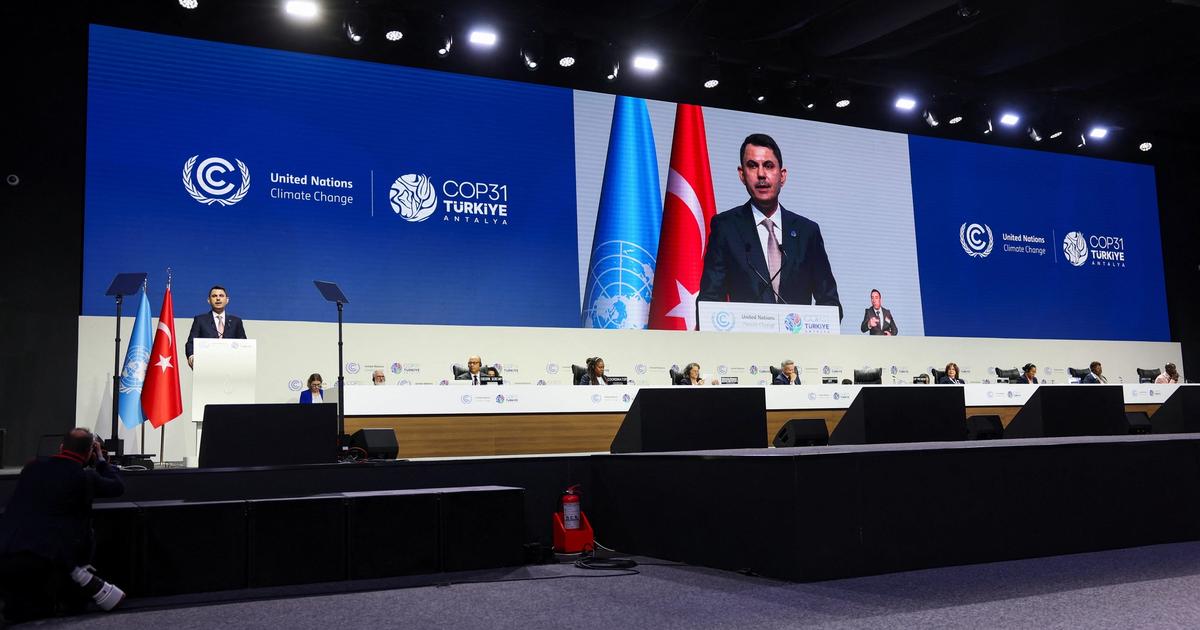
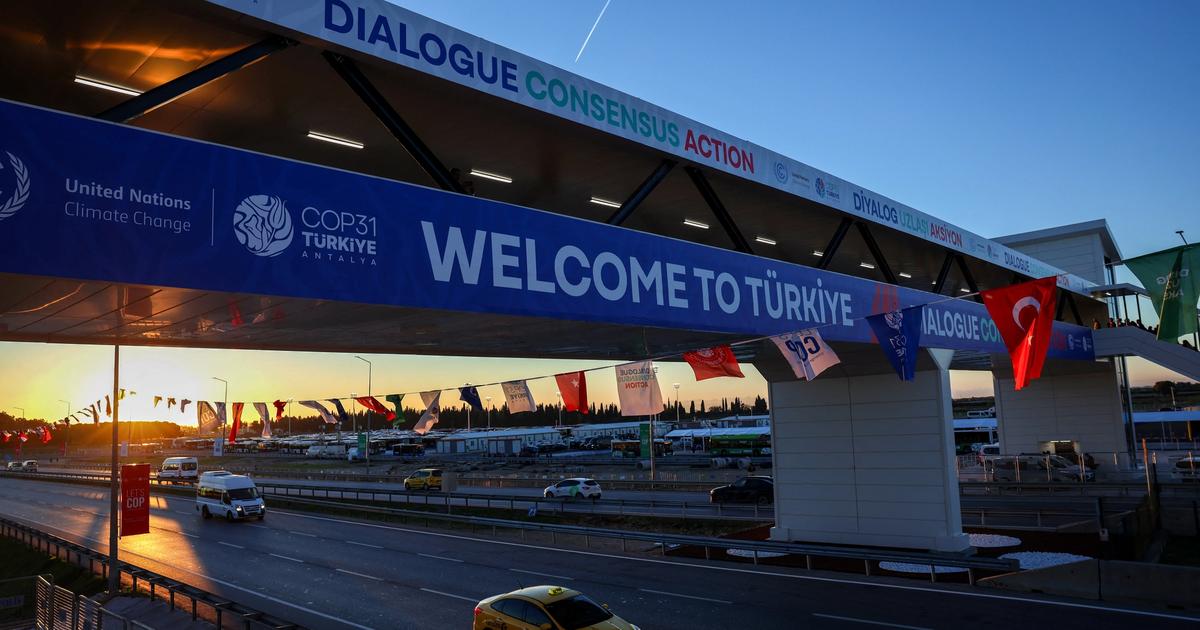
When we caught up at the United Nations climate change conference, known as COP31, currently underway in Antalya, Turkey, he offered a blunt analysis: the war in Iran has unleashed a structural shift. asserted
war → catch → shift
"I don't see any credible pathway in which the world of energy is going back where it was before the Iran War," he said on Nov. 13. asserted
he → see → Nov.
A quick analysis might boil this shift down to simple terms. uncertain
analysis → boil → terms
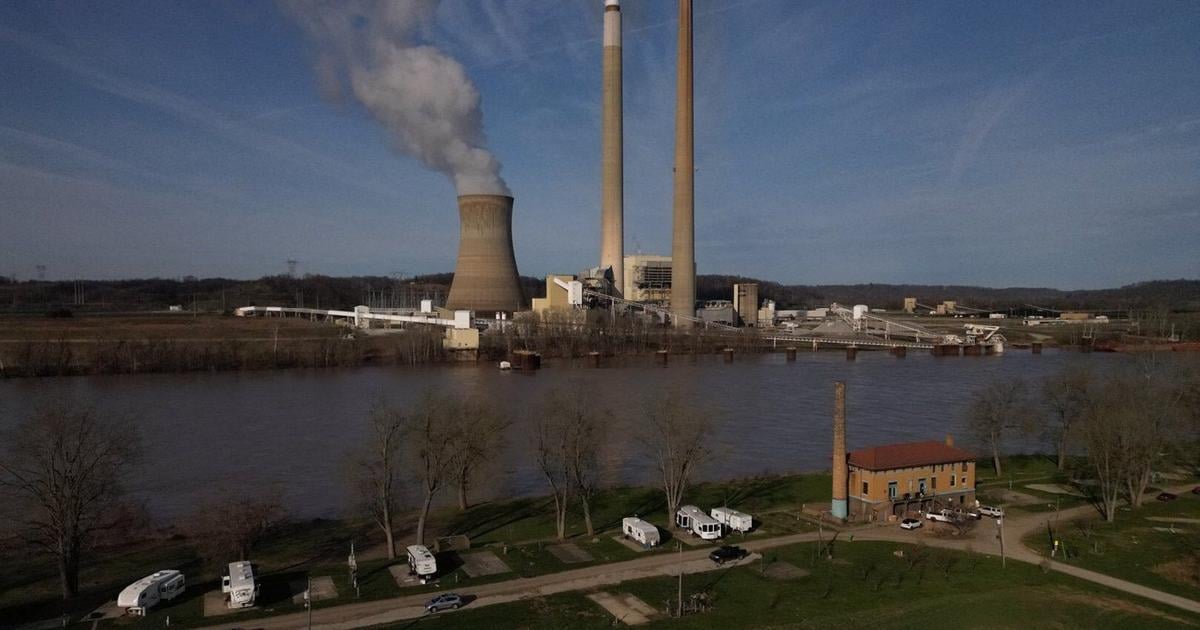
In general, the focus on energy security will mean more renewable energy because it can be produced locally. asserted
it → mean → energy
It will mean efficiency measures so that countries use less fuel and are less vulnerable to shocks. asserted
countries → mean → shocks
Indeed, an energy crisis policy tracker from the IEA cites dozens of policies countries have laid out this year to do just that—from a push for biodiesel in Indonesia to incentives for consumers to install solar and storage in Bangladesh. asserted
consumers → cite → Bangladesh
But Birol says the coming structural changes in energy will have even wider implications, shaping economic and geopolitical outcomes. asserted
changes → say → outcomes
He cites economic diversification plans from oil-exporting countries, new trade partnerships, and investments in new technologies like next-generation batteries and nuclear power. asserted
He → cite → batteries
All of which comes with an eye toward safeguarding energy supply from supply disruptions. asserted
All → come → disruptions
"Instead of importing energy, they are deciding to build energy,” he told me. asserted
he → import → me
Right now less than a quarter of final energy consumption comes from electricity. asserted
quarter → come → electricity
The rest comes primarily from fuel consumption, think of petrol in vehicles, heating oil in homes, or gas in stoves. asserted
rest → come → stoves
Relying on electricity, which tends to be produced relatively close to where it’s used, addresses energy security concerns. asserted
it → rely → concerns
That’s even more the case when electricity is produced using renewables rather than imported fossil fuels. asserted
electricity → ’ → fuels
The COP31 presidency is pushing countries to pledge to rely on electricity for 35% of their final energy consumption by 2035. asserted
presidency → push → 2035
The world’s electricity grid still relies on fossil fuels to some degree—more or less so depending on the area—but today it’s typically cleaner than most fossil fuels. asserted
it → rely → fuels
It will be even cleaner as renewable deployment continues. asserted
deployment → continue → ?
Electrification also represents a structural shift. asserted
Electrification → represent → shift
It promises to reshape trade relationships as countries need to either build clean technology supply chains or identify friendly partners to build relevant trade relationships. asserted
countries → promise → relationships
It will spur investment in the power sector, advancing both big electric infrastructure projects and creating new companies that build innovative electricity technologies. asserted
that → spur → technologies
In the IEA’s special report on electrification released in September, the agency says that annual global investment in electricity generation, battery storage, and grids could total $2.5 trillion by 2035 in a scenario where electrification really takes off. uncertain
electrification → release → scenario
That’s a $1 trillion increase from last year. asserted
That → ’ → ?
And electrification promises to unlock—or at least lessen—the stranglehold that oil and gas has on geopolitics while elevating the importance of another set of resources, including critical minerals. asserted
oil → promise → minerals
“Two years ago, I said we are entering the age of electricity,” Birol told me. asserted
Birol → say → me
“I can tell you today, when I look at today's numbers, we are in the age of electricity." asserted
we → tell → electricity

Give feedback · no sign-in needed

No sign-in needed for now. Your note is sent without a name, so it cannot be answered.

History Support