
Swiss Glaciers Melting
7 outlets
Each outlet's article on this story, most articles first
6 reporters
- Mark PoyntingBBC
- Agence France-PresseSouth China Morning Post
- Ajit NiranjanThe Guardian
- Frederique MauduitEuronews
- Priyanka ShankarAl Jazeera
- Mazoe FordABC News (AU)
By day
Articles per day
Cite
Swiss Glaciers Melting. (2026, October 13). The Aporia. https://theaporia.onrender.com/event/47752
“Swiss Glaciers Melting.” The Aporia, 13 Oct. 2026, https://theaporia.onrender.com/event/47752.
“Swiss Glaciers Melting.” The Aporia, October 13, 2026. https://theaporia.onrender.com/event/47752.
Dated the day this page was built. The link always leads to this event, even after the stories are regrouped.
Switzerland has lost almost one-fifth of its ice in just five years, research has found, in a dramatic reshaping of the Alpine country whose big white glaciers have been reduced to moonlike rock deserts, scientists say.
What happened
The outlets' own sentences, most widely reported first. Hover or tap one to see who reported it.
"If these ice masses can be saved or stabilised, we can limit the rise of global sea levels… which could affect billions of people living along the coast."
What each outlet says
One AI summary per outlet of its latest article on this story, written from that article alone and checked against it. Open the article for the outlet's own words.
Switzerland’s glaciers have experienced a significant loss, shrinking by nearly 20% since 2021 due to warmer winters with less snow and record-high temperatures during the summer of 2026. Scientists from the Swiss Glacier Monitoring Network reported that in just one hydrological year ending September 30, 2026, glaciers lost 5.5% of their ice volume. GLAMOS chief Matthias Huss noted that under current conditions…
How Switzerland lost 20 percent of its ice in five years →2 articles from Al Jazeera on this storySwiss glaciers lost more than 5% of their remaining ice in 2026 due to intense summer heatwaves, according to new data. Dr. Matthias Huss from Glacier Monitoring Switzerland describes the loss as "disastrous," noting that previously a 2% annual loss was considered extreme. This rapid melting threatens water supplies for farming, hydropower, and transport while also increasing landslide risks. Scientists emphasize…
Swiss glaciers suffer 'disastrous' year of ice loss, threatening water supplies →Swiss glaciers have lost nearly 20% of their mass over the past five years, with 2026 experiencing the second-largest melt on record at 5.5% volume loss, according to a study by the Glacier Monitoring in Switzerland (GLAMOS). Glaciologist Matthias Huss warns that if current trends continue, Switzerland's glaciers could vanish entirely within 10 to 15 years due to climate change impacts exacerbated by this year’s…
Expert gives grim warning after Swiss glaciers shrink 20% in 5 years →Switzerland has lost nearly one-fifth of its glacier ice over the past five years, with a record 5.5% shrinkage reported for the first eight months of 2026 due to extreme heatwaves and low snowfall. Matthias Huss, a glaciologist at ETH Zürich, highlights how rapidly glaciers are disappearing, noting some sites that had hundreds of meters of ice just one generation ago now resemble barren rock deserts. The report by…
‘Explosion of melt rates’: 20% of Swiss glaciers lost in five years →Scientists studying Switzerland's Rhône Glacier report a significant loss of 5.5% of the country’s remaining glacial ice volume in 2026, marking it as the second-highest annual decline ever recorded. The accelerated melting was driven by prolonged summer heat waves and sparse winter snow cover, leading to an earlier onset of seasonal melt and thinner glaciers by up to 10 metres on some sections.
Swiss glaciers lose 5.5% of ice in second-largest melt on record →Swiss glaciers lost 5.5% of their ice volume this year due to heat waves and low winter snowfall, making it the second-biggest percentage drop on record according to GLAMOS, the Swiss glacier monitoring service. This loss is equivalent to four times Switzerland's annual water consumption. Experts warn that under current conditions, Alpine glaciers have no long-term survival chance, with ice volume declining by…
This is how fast Swiss glaciers, the 'water tower of Europe,' are melting away →Show 1 more outlets
Swiss scientists warn that more than 5% of Switzerland’s glacier ice melted this year due to global warming, marking an unprecedented pace of glacial retreat. Researchers from the Swiss Glacier Monitoring Network (GLAMOS) attribute this dramatic loss to a record-breaking summer following a winter with insufficient snow cover. The study emphasizes the sensitivity of glaciers to rising temperatures and highlights…
Switzerland's 'wake-up call' as glaciers melt in record-breaking summer →Analysis
Framing
How the first headlines put it
The headlines (6)
Swiss glaciers suffer 'disastrous' year of ice loss, threatening water supplies
Expert gives grim warning after Swiss glaciers shrink 20% in 5 years
‘Explosion of melt rates’: 20% of Swiss glaciers lost in five years
‘Catastrophic year’ as Swiss glaciers lose 5% of ice after heatwaves
Swiss glaciers lose 5.5% of ice in second-largest melt on record
This is how fast Swiss glaciers, the 'water tower of Europe,' are melting away
How it changed
- 1 Oct
Switzerland has lost almost one-fifth of its ice in just five years, research has found, in a dramatic reshaping of the Alpine country whose big white glaciers have been reduced to moonlike rock deserts, scientists say.
- 2 Oct
"Reducing CO2 emissions will stabilise the climate and will, with some delay, also stabilise glaciers, but we have to be aware that for many of the small glaciers in the Alps it's already too late, we can't save them."
Coverage 8 articles
Suggested from 5 outlets (2 usually left of the middle, 3 middle, 0 right of it): the fullest account of the event, no political position was found in its wording and its publisher is declared as reporting rather than commentary.
2 Oct Switzerland's 'wake-up call' as glaciers melt in record-breaking summerSwiss scientists warn that more than 5% of Switzerland’s glacier ice melted this year due to global warming, marking an unprecedented pace of glacial retreat. Researchers from the Swiss Glacier Monitoring Network (GLAMOS) attribute this dramatic loss to a record-breaking summer following a winter with insufficient snow cover. The study emphasizes the sensitivity of glaciers to rising temperatures and highlights…ABC News (AU)
 2 Oct How Switzerland lost 20 percent of its ice in five yearsSwitzerland’s glaciers have experienced a significant loss, shrinking by nearly 20% since 2021 due to warmer winters with less snow and record-high temperatures during the summer of 2026. Scientists from the Swiss Glacier Monitoring Network reported that in just one hydrological year ending September 30, 2026, glaciers lost 5.5% of their ice volume. GLAMOS chief Matthias Huss noted that under current conditions…Al Jazeera
- 1 Oct This is how fast Swiss glaciers, the 'water tower of Europe,' are melting awaySwiss glaciers lost 5.5% of their ice volume this year due to heat waves and low winter snowfall, making it the second-biggest percentage drop on record according to GLAMOS, the Swiss glacier monitoring service. This loss is equivalent to four times Switzerland's annual water consumption. Experts warn that under current conditions, Alpine glaciers have no long-term survival chance, with ice volume declining by…CBC
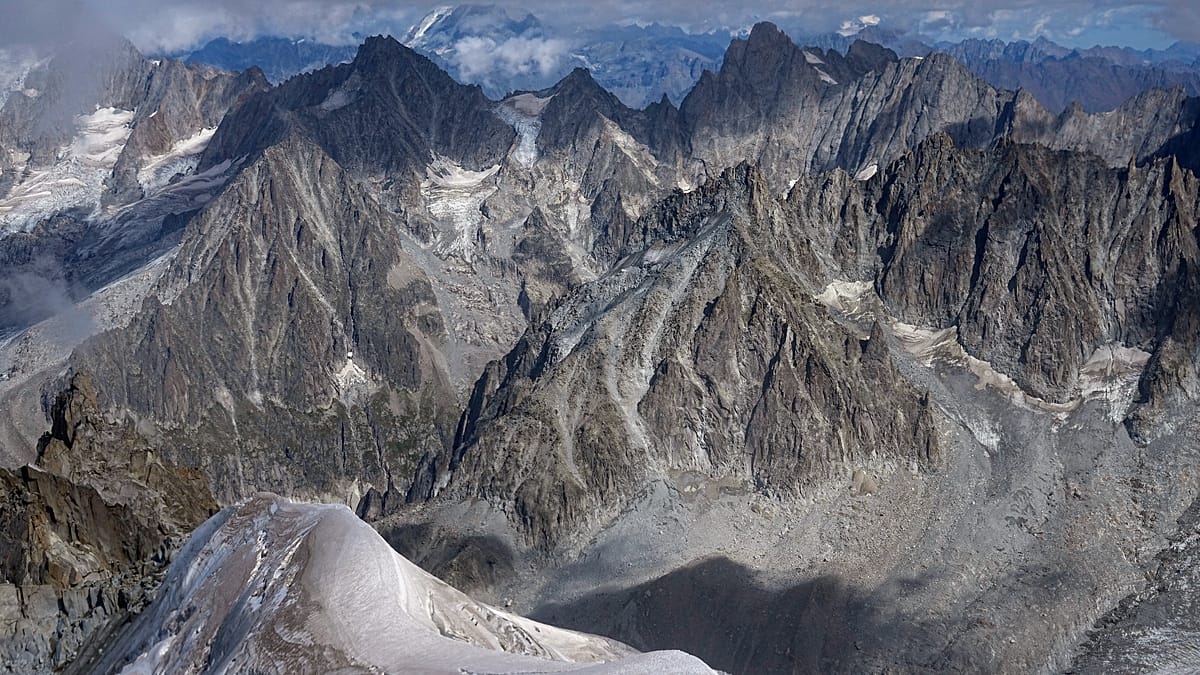 1 Oct Swiss glaciers lose 5.5% of ice in second-largest melt on recordScientists studying Switzerland's Rhône Glacier report a significant loss of 5.5% of the country’s remaining glacial ice volume in 2026, marking it as the second-highest annual decline ever recorded. The accelerated melting was driven by prolonged summer heat waves and sparse winter snow cover, leading to an earlier onset of seasonal melt and thinner glaciers by up to 10 metres on some sections.Euronews
 1 Oct ‘Catastrophic year’ as Swiss glaciers lose 5% of ice after heatwavesSwiss glaciers experienced significant ice loss in the past year, shedding about 5% of their total volume according to scientists. This dramatic reduction is attributed to insufficient winter snowfall coupled with extreme heatwaves that affected much of Europe during the summer months. The researchers describe this as a "catastrophic" event for Switzerland's glacial landscape.Al Jazeera
 1 Oct ‘Explosion of melt rates’: 20% of Swiss glaciers lost in five yearsSwitzerland has lost nearly one-fifth of its glacier ice over the past five years, with a record 5.5% shrinkage reported for the first eight months of 2026 due to extreme heatwaves and low snowfall. Matthias Huss, a glaciologist at ETH Zürich, highlights how rapidly glaciers are disappearing, noting some sites that had hundreds of meters of ice just one generation ago now resemble barren rock deserts. The report by…The Guardian
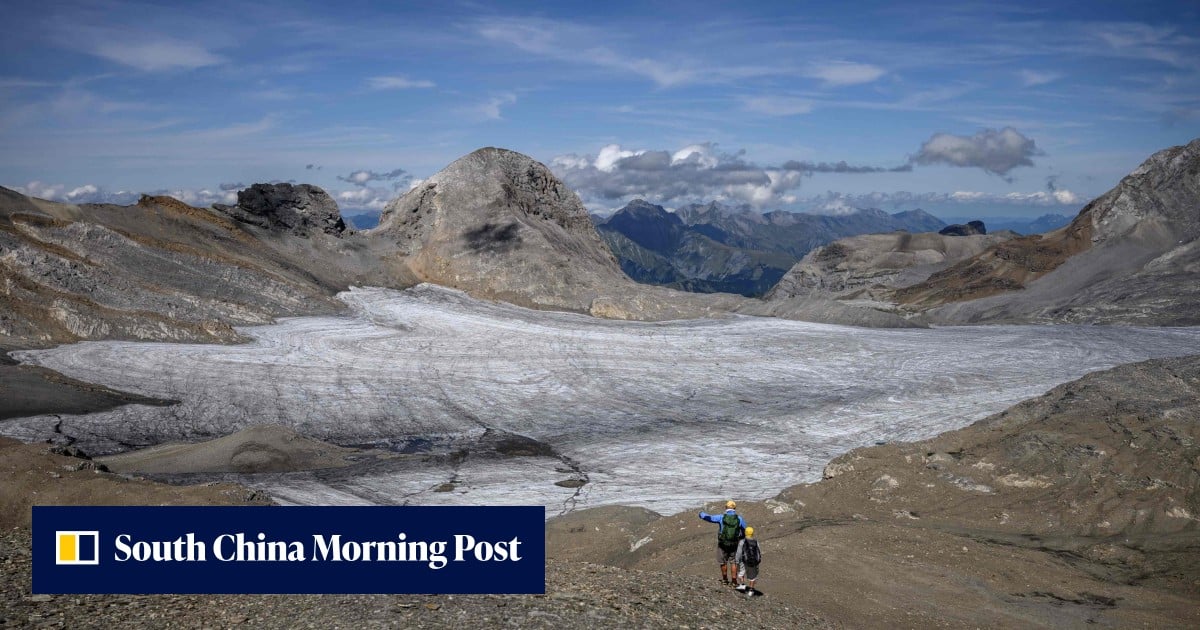 1 Oct Expert gives grim warning after Swiss glaciers shrink 20% in 5 yearsSwiss glaciers have lost nearly 20% of their mass over the past five years, with 2026 experiencing the second-largest melt on record at 5.5% volume loss, according to a study by the Glacier Monitoring in Switzerland (GLAMOS). Glaciologist Matthias Huss warns that if current trends continue, Switzerland's glaciers could vanish entirely within 10 to 15 years due to climate change impacts exacerbated by this year’s…South China Morning Post
 1 Oct Swiss glaciers suffer 'disastrous' year of ice loss, threatening water suppliesSwiss glaciers lost more than 5% of their remaining ice in 2026 due to intense summer heatwaves, according to new data. Dr. Matthias Huss from Glacier Monitoring Switzerland describes the loss as "disastrous," noting that previously a 2% annual loss was considered extreme. This rapid melting threatens water supplies for farming, hydropower, and transport while also increasing landslide risks. Scientists emphasize…BBC
Keep exploring
 Similar coverage · 19–20 SepClimate Crisis Protests Switzerland
 Similar coverage · 2 OctNepal Glacial Lake Drainage Plan
 Recent · 6–12 NovNvidia CEO Scandal and Spy Allegations
 Recent · 10–12 NovThree Iranians Indicted For Terror Plots
 Recent · 9–12 NovRacist Incidents at Ole Miss
 Recent · 10–11 NovTrump Defamation Case Against BBC Proceeds
 Recent · 11–12 NovHegseth Group Reprimanded At Tomb
 Recent · 4–12 NovMississippi Senate Race Uncertainty
 Recent · 8–11 NovCharlie Kirk Joke Backlash
 Recent · 11–12 NovRex Ryan Arrested For Hit-and-Run
Built 2026-10-13 from 8 articles. Every sentence on this page is quoted from the linked article; nothing was written by a model except the Summary and the items marked AI, which cite their sources, and the questions and labels under "Disputed". Photos are from the outlets that covered the story, never from articles our check marks sensitive.