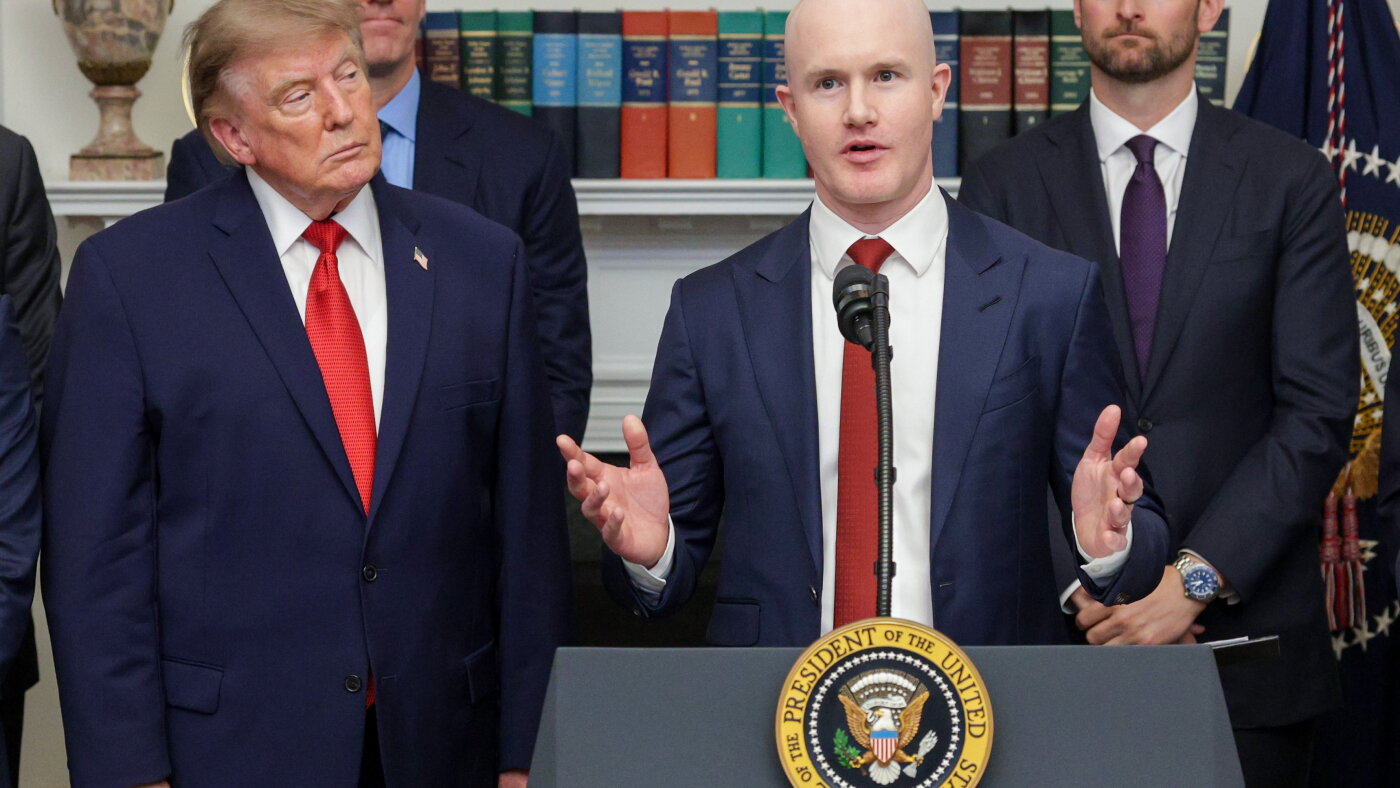
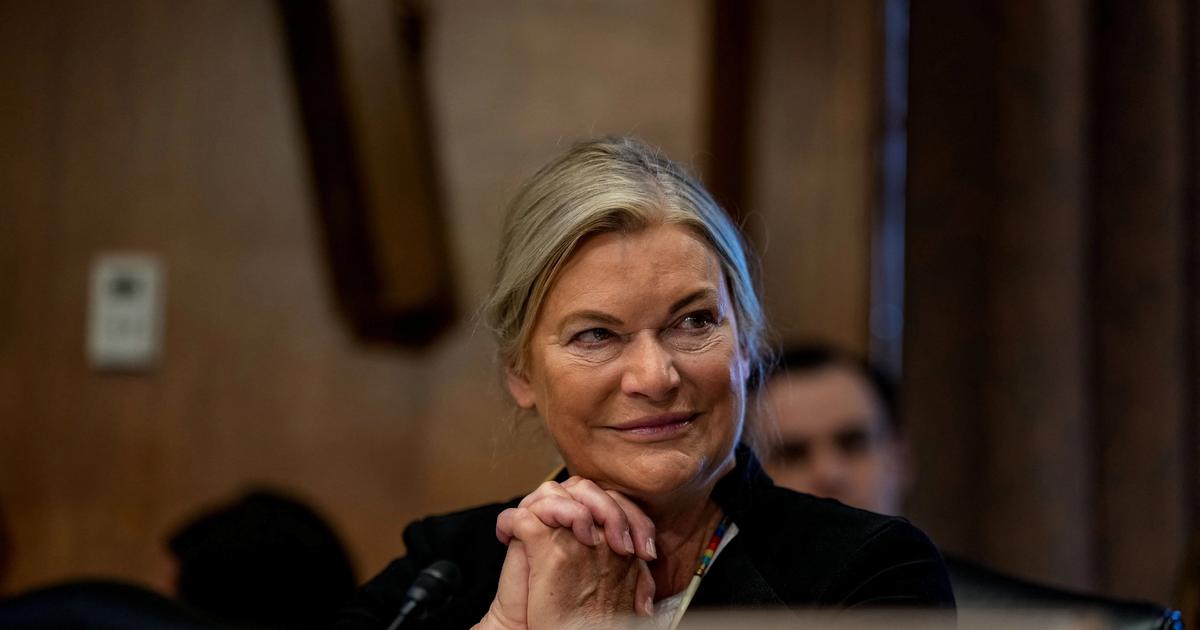
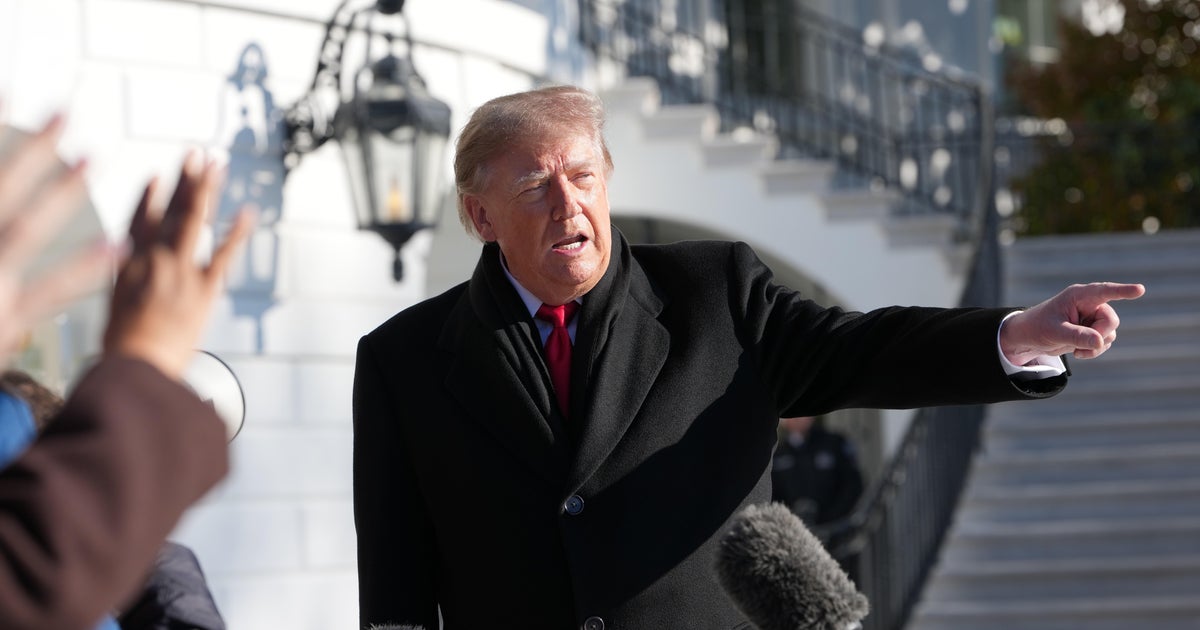
Photo via CBS News

Senate fails to advance Clarity Act amid Democratic concerns about crypto bill

Read the original at CBS News ↗
Cite

Hubbard, K. (2026, September 15). Senate fails to advance Clarity Act amid Democratic concerns about crypto bill. CBS News. https://www.cbsnews.com/news/senate-fails-to-advance-clarity-act-amid-democratic-concerns-about-crypto-bill/

Dated when The Aporia collected the article, usually within hours of publication. Check the original for its exact date and byline.

CBS News · collected 2026-09-15 · by Kaia Hubbard

Quick Summary

The Senate failed to advance the Clarity Act, a cryptocurrency regulation bill, on Tuesday with a vote of 49 to 50, falling short of the required 60 votes. Republicans, including Majority Leader John Thune, pushed for the bill's passage, arguing it would establish clear regulatory guidelines and ensure cooperation between financial regulators. However, Democrats such as Senator Elizabeth Warren opposed the bill, citing concerns over potential conflicts of interest and risks to national security.
Written by AI on 2026-09-15, from this article's own text only (the story summary below draws on all the coverage).
See how they differ ↓

AI analysis

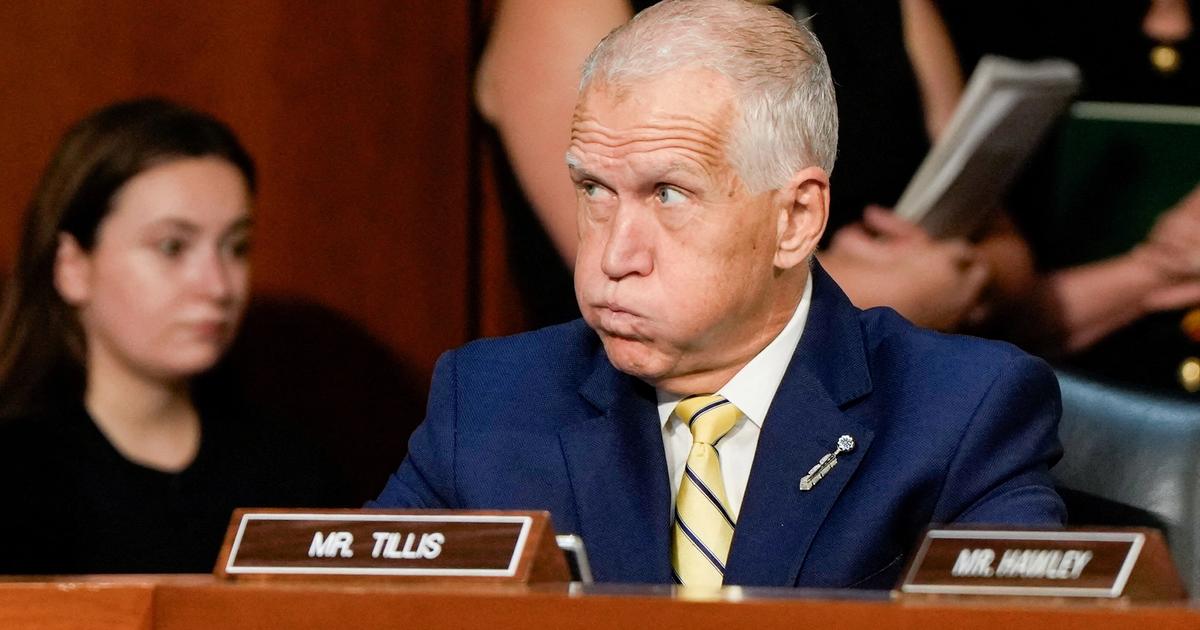
Story summary

On September 15, the U.S. Senate was set to vote on advancing the Clarity Act, a bill that aims to establish federal regulations for digital assets like cryptocurrency. The House had already passed the legislation, but disagreements persisted over ethics and regulatory concerns. Key opponents included Senator Mike Rounds (R-SD) and Senator Thom Tillis (R-NC), who warned it was unlikely to pass due to unresolved issues regarding President Donald Trump's conflicts of interest in crypto investments. Despite support from industry groups that spent $451 million on lobbying, significant hurdles remained, with some Democrats demanding stronger ethics provisions to prevent financial conflicts for the president and his family. The vote was seen as a critical test for both the cryptocurrency market and political forces ahead of the November midterm elections.

Written for “Crypto Regulation Debate” on 2026-11-21, grounded in this article and the 13 other(s) covering the same event.

How they differ

9 outlets covered “Crypto Regulation Debate”.

What each outlet says

One AI summary per outlet of its latest article on this story, written from that article alone and checked against it. Open the article for the outlet's own words.

CBS NewsThis outlet15 Sep

The Senate failed to advance the Clarity Act, a cryptocurrency regulation bill, on Tuesday with a vote of 49 to 50, falling short of the required 60 votes. Republicans, including Majority Leader John Thune, pushed for the bill's passage, arguing it would establish clear regulatory guidelines and ensure cooperation between financial regulators. However, Democrats such as Senator Elizabeth Warren opposed the bill…

Senate fails to advance Clarity Act amid Democratic concerns about crypto bill (this article)
Semafor15 Sep

Senators failed to advance the cryptocurrency industry's top legislative priority, dealing a significant blow to efforts aimed at regulating digital assets. Despite heavy lobbying from the industry and fears among traditional banks about increased competition, three Republican senators joined all Democrats in rejecting the bill. The failure underscores the difficulty of achieving bipartisan support on crypto…

Crypto industry’s top legislative priority implodes →4 articles from Semafor on this story
Washington Examiner20 Sep

The Senate's failure to advance the CLARITY Act highlights ongoing regulatory uncertainty in the U.S. for digital assets, despite their rapid development and adoption. AXG, a company focused on regulation-first stablecoin issuance, reported significant growth with $1.04 billion in trading volume and $848.8 million in assets under administration recently, showcasing the scale of activity in this space. The article…

Washington stalled. Crypto didn’t →3 articles from Washington Examiner on this story
Zeteo15 Sep

Senators are preparing to consider a bill that would provide favorable regulatory treatment for the cryptocurrency industry, which has spent over $450 million on political campaigns in the 2024 election cycle. Critics argue this regulation will instead "supercharge" former President Trump's cryptocurrency schemes, including his family’s memecoin and crypto exchange funded by foreign interests. The bill needs seven…

Will Dems Help ‘Supercharge’ Trump’s Crypto Corruption? →
NPR15 Sep

The Senate is set to vote on the Digital Asset Market Clarity Act, a 600-page bill that aims to establish the first regulatory framework for cryptocurrencies in U.S. history. Proponents like Ryan VanGrack of Coinbase argue it clarifies oversight needed for tens of millions of Americans investing in crypto products without clear rules. Opponents view the act as too lenient on the industry, particularly because it…

This bill could reshape crypto in America -- and it's sparking a major battle →
The Straits Times15 Sep

On September 15, the U.S. Senate plans to vote on advancing the Clarity Act, a bill aimed at creating regulatory clarity for digital assets. Crypto companies have spent hundreds of millions campaigning for it, but analysts doubt it will secure the necessary 60 votes. The revised bill includes provisions addressing conflicts of interest for public officeholders and concerns from the banking sector, though these…

US Senate to vote on advancing landmark crypto bill →
Show 3 more outlets
Toronto Star15 Sep

The Senate is scheduled to vote on Tuesday regarding a new regulatory framework for cryptocurrency, an issue worth $2.3 trillion. Democrats are pushing back on the bill, arguing that it does not sufficiently address conflicts of interest related to former President Donald Trump's investments in cryptocurrencies during his presidency. The article highlights the tension between creating industry-friendly regulations…

Senate is to vote on cryptocurrency regulation as Democrats push back on Trump investments →
The Intercept15 Sep

Senator Kirsten Gillibrand initially lobbied fellow Democrats to support a crypto bill before voting against it at the last minute, joining progressives in blocking its advancement due to concerns over President Trump's significant cryptocurrency profits. The vote on October 13th fell short of the required 60 votes with a tally of 49–50, highlighting the political challenges for moderate Democrats who previously…

Crypto Darling Gillibrand’s 11th-Hour Flip-Flop Helps Block Trump Crypto Bill →
Reason17 Sep

The Senate failed a procedural vote on the Digital Asset Market Clarity Act, which aimed to provide regulatory clarity for the crypto industry but faced opposition due to concerns over potential conflicts of interest involving former President Donald Trump's significant cryptocurrency earnings, totaling $1.4 billion according to recent financial disclosures. Democrats were particularly concerned that the bill’s…

Trump's $1.4 Billion Crypto Haul Sinks the Senate's Crypto Bill →

Where they agree and split

Agreed

AI · cited, from two or more outlets

  • The CLARITY Act would establish a clearer federal framework for digital asset markets by defining regulatory responsibilities and creating more predictable rules for market participants.12

Disputed

Picked by our model, which is sometimes wrong

  • While some outlets argue that the bill's failure is a significant setback for the crypto industry, others suggest it may not be the end of America’s digital asset experiment and could force more practical questions about financial system regulation.45

Framing

How the first headlines put it

  • The Washington Examiner frames the issue as a concern over Trump's conflicts of interest, while NPR presents it as a major battle with significant implications for crypto regulation in America.12
  • The Toronto Star highlights the vote on cryptocurrency regulation and Democratic pushback against Trump investments, whereas CBS News focuses solely on the failure of the Clarity Act amid concerns about ethics provisions.36
The full story: what happened, how it changed, and all 14 articles →

Compared with similar articles

This article reads unscored and hedges 8% of its claims. Each row says how that neighbour differs.
The Straits Times
Hedges 4 of 14 claims Outlet record 64/100
NPR
Hedges 4 of 55 claims Outlet record 60/100
Toronto Star
Leans left Hedges 0 of 3 claims Outlet record 64/100
Semafor
Leans strongly left Hedges 1 of 6 claims Outlet record 64/100
Washington Examiner
Leans left Hedges 7 of 51 claims Outlet record 67/100
Reason
Leans left Hedges 4 of 26 claims Outlet record 67/100
Washington Examiner
Leans left Hedges 1 of 35 claims Outlet record 67/100
Washington Examiner
Leans left Hedges 3 of 34 claims Outlet record 67/100
Semafor
Hedges 1 of 7 claims Outlet record 64/100
The Intercept
Leans left Hedges 4 of 62 claims Outlet record 96/100

Story

Crypto Regulation Debate
Politics · 14 article(s) covering the same event. Compare every outlet's account →
How this article was measured signals, leaning charts, publisher record, byline, topics and claims

Signals How these are calculated →

Claims extracted
24
sentences that state something as happening or true
Uncertain
8%
2 of 24 hedged ("reportedly", "may", "according to")
Leaning
withheld
no quote in the article backed the model's score
Publisher signals
66/100
CBS News's corrections and hedging, across everything collected from it. Not a measure of accuracy.
Outlets on this story
14
Politics
Same framing elsewhere
1
articles that frame the event the way this one does
Analyzed 2026-09-15 · how these are computed

How this is being covered How these are calculated →

Article leaning vs. publisher reliability
Source leaning vs. consistency

Publisher

CBS News · 5941 article(s) · 11 correction(s) detected
Running correction rate · 11 correction(s)

Who wrote this

Kaia Hubbard
78 article(s) here · 1 carrying a prediction
Supporters say the Bipartisan American Affordability and Jobs Act, or BAAJA, will make it easier to build both renewable energy and fossil fuel projects, along with the high-tension power lines that support them.
With the Alaska race now decided, Democrats will control 56 Senate seats to Republicans' 44.
There was widespread concern among lawmakers about the problem, but GOP senators questioned the funding figure — and how the money could get approved.
The meeting, which marks the , is expected to center on decreasing the proliferation of nuclear weapons, the White House said, and comes as the wars in Iran and Ukraine remain in focus.
2026-11-16 · assertive framing · Trump heading to Asia ahead of summit with Putin and Xi
If I were president, I would choose someone else because there needs to be accountability for higher health care costs, more measles deaths, losing elimination status, and no progress on processed foods," ."Cassidy, a medical doctor who's leaving the Senate early next year after losing his reelection bid, has been locked in a bitter disagreement with the HHS secretary for months over his vaccine policy and other stances.
These shortfalls, the inspector general said, could "result in OAP beneficiaries unknowingly assuming health and safety risks because clinical and prescribing practices were not monitored." CBS News has learned the Navy is also conducting an inquiry into the Office of the Attending Physician. Monahan has served as the attending physician since 2009.
Democratic Sen. Chris Van Hollen of Maryland announced Thursday that he will challenge Sen. Chuck Schumer for Senate majority leader.
But he added: "If for some reason that were not to happen, all three committees, all three chairs have said we will use our subpoena power." Nvidia, whose chips have fueled the AI boom, announced on Thursday that Huang had stepped down following a scandal over , a former executive at the company Megaspeed who is suspected of being a Chinese spy.
But the contest's competitiveness in the final stages of the campaign was illustrative of the broader political environment, which put seats on the map that Democrats wouldn't have dreamed of flipping at the beginning of the cycle.
Democrats will control at least 54 seats when the 120th Congress convenes in January.
Also by Kaia Hubbard
Nothing else under this byline is closely related to this article, so these are simply their most recent.
All 78 articles by Kaia Hubbard →

Topics

Democrats Republicans Senate the Clarity Act the United States

Subjects

Democrats NORP · 9× Republicans NORP · 5× Thune PERSON · 5× Trump PERSON · 4× Warren GPE · 4× Senate ORG · 3× GOP ORG · 2× the United States GPE · 2× John Thune PERSON · 1× Washington GPE · 1×

Narrative

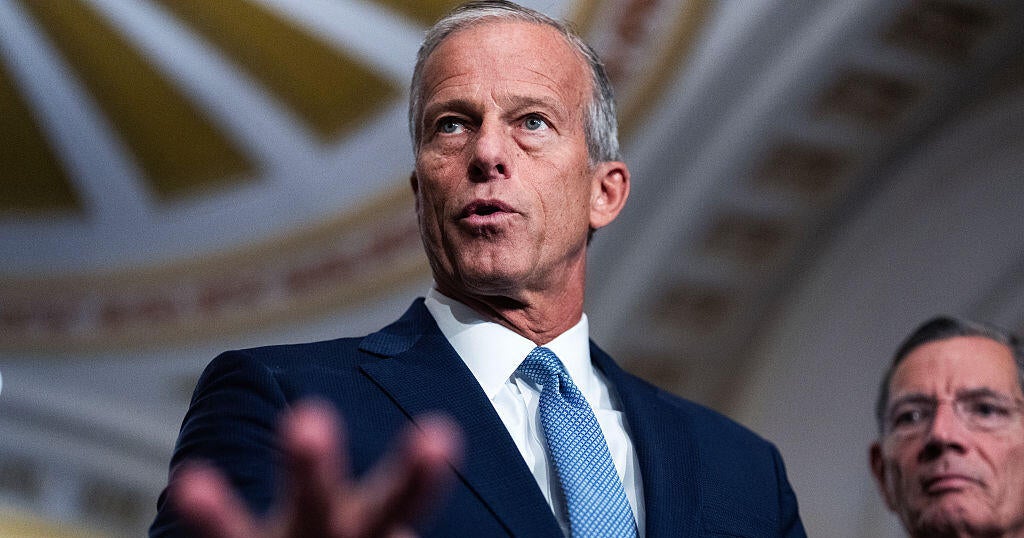
Thune, a South Dakota Republican, noted that the Clarity Act distinguishes between the jurisdictions of the Commodity Futures Trading Commission and the Securities and Exchange Commission, two financial regulators that have split crypto enforcement in sometimes confusing ways, while ensuring that they work together to "harmonize the rules."
framing: assertive · carried by 1 article(s) · first seen 2026-09-15
The bill would establish a regulatory framework for digital assets.

Claims (24 extracted, 2 hedged)

The Senate on Tuesday failed to advance a sweeping cryptocurrency bill known as the Clarity Act, amid opposition from Democrats and a handful of Republicans. asserted
Senate → fail → Republicans
In a 49 to 50 vote, the measure fell short of the 60 votes needed to move forward, with all Democrats and four Republicans opposing. asserted
Democrats → fall → votes
The bill would establish a regulatory framework for digital assets. asserted
bill → establish → assets
Ahead of the vote on Tuesday, Senate Majority Leader John Thune argued passing it would be the "next logical step" after Congress approved legislation last year to regulate a type of digital currency known as stablecoins. asserted
Congress → argue → stablecoins
Thune said that landmark bill, known as the , provided a "light-touch approach" to digital asset regulation, and credited it for the industry "moving in the right direction" in the United States. asserted
industry → say → States
Thune, a South Dakota Republican, noted that the Clarity Act distinguishes between the jurisdictions of the Commodity Futures Trading Commission and the Securities and Exchange Commission, two financial regulators that have split crypto enforcement in sometimes confusing ways, while ensuring that they work together to "harmonize the rules." asserted
they → note → rules
He also touted that the bill "ensures that companies can't skirt securities laws that apply to other financial assets." asserted
that → tout → assets
And he argued that it "protects the growing number of Americans investing in and utilizing digital assets." asserted
it → argue → assets
Thune touted the bill's support from large financial institutions and law enforcement organizations, while nodding to bipartisan backing as senators have worked for more than a year to bring it to the floor. asserted
senators → tout → floor
Thune cited more than 100 changes made to the bill at the request of Democrats, noting that the bill's GOP sponsors released a final draft with more changes incorporated over the weekend. asserted
sponsors → cite → weekend
He said "the question now is whether Democrats will take yes for an answer." asserted
Democrats → say → answer
"This is a shared priority, for Republicans, Democrats and President Trump," Thune said. asserted
Thune → share → Republicans
"We've been working at it now for over a year. asserted
We → work → year
The only reason for this progress to end now would be if the Democrats choose politics over good policy. asserted
Democrats → end → policy
Sen. Elizabeth Warren of Massachusetts voiced opposition to the bill on the Senate floor ahead of the vote, saying she believes "we can get crypto legislation that both Republicans and Democrats can agree on — but not this bill. asserted
Republicans → voice → that
" "This bill poses a massive risk to families, to our economy and to national security," Warren said. asserted
Warren → pose → security
Warren said "we need crypto legislation that stops political self-dealing," but she argued that the Clarity Act "would turbocharge Donald Trump's unprecedented corruption." asserted
Act → say → corruption
She claimed "no one has more to gain personally from this bill than the president of the United States." asserted
one → claim → States
At the center of the impasse is ethics language aimed at preventing officials from profiting off of the industry. asserted
language → aim → industry
But Democrats have argued that the latest changes to the bill don't go far enough to prevent the president and his family from profiting off of their own crypto ventures. asserted
changes → argue → ventures
According to financial disclosures, Mr. Trump made in crypto-related income last year, including from his meme coin business and his family's cryptocurrency firm. uncertain
Trump → accord → business
Warren said in the latest version of the legislation, which the White House has greenlighted, Republicans included "a tiny little fig leaf that claims they're doing something about corruption, but that is carefully written to make sure that it will not prevent Donald Trump from making his next $1.4 billion in crypto profits." uncertain
prevent → say → profits
She argued that the new text guarantees Mr. Trump will "never, ever be held accountable under the law." asserted
Trump → argue → law
Warren urged her GOP colleagues to come to the table and "negotiate a real, bipartisan crypto bill." asserted
Warren → urge → bill
Give feedback · no sign-in needed

No sign-in needed for now. Your note is sent without a name, so it cannot be answered.

History Support